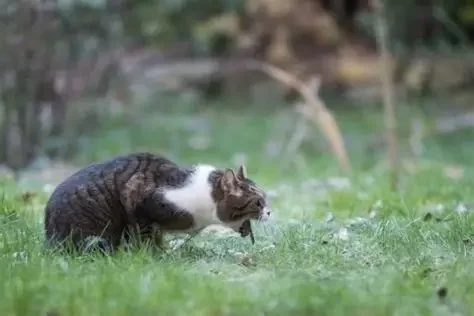
- Why-is-My-Cat-Vomiting-and-Drinking-Water-Excessively
- Medical-Conditions-Behind-These-Symptoms
- How-to-Monitor-Your-Cat’s-Symptoms-Effectively
- Real-Case-Spotting-the-Signs-of-Kidney-Disease-Early
- When-to-Bring-Your-Cat-to-the-Vet
- How-Hidden-Brook-Veterinary-Can-Support-You
1. Why Is My Cat Vomiting and Drinking Water Excessively?
If your cat is vomiting and drinking water excessively, it’s time to pay close attention. While an isolated vomit may not be alarming, when it's paired with increased thirst, it could signal something more serious. Cats are experts at masking illness, so these visible changes can be your early warning system.
This combination often points to issues affecting internal organs, such as the kidneys, liver, or endocrine system. Excessive drinking, known as polydipsia, coupled with vomiting, can mean your cat's body is trying to flush out toxins or cope with a deeper imbalance.

2. Medical Conditions Behind These Symptoms
Several medical conditions could cause your cat to both vomit and drink more water than usual. Here are the most common:
- Chronic Kidney Disease (CKD): A frequent diagnosis in older cats. It causes increased thirst and nausea, leading to vomiting.
- Hyperthyroidism: An overactive thyroid can cause vomiting, hyperactivity, and intense thirst.
- Diabetes Mellitus: This condition leads to sugar imbalance, excessive urination, and compensatory water drinking—vomiting occurs when glucose is poorly managed.
- Liver Disease or Toxins: The liver's inability to filter waste can manifest as vomiting and increased fluid intake.
If left untreated, these issues can progress rapidly. Don’t assume it’s “just hairballs” or “summer heat.”

3. How to Monitor Your Cat’s Symptoms Effectively
Start by tracking the frequency and pattern of vomiting. Is it happening after meals, during the night, or randomly throughout the day? Is the water consumption noticeably more than usual? Cats typically drink 60–80ml of water per kg of body weight per day. Anything over that should be discussed with a vet.
You should also check:
- Weight loss
- Changes in litter box habits
- Behavioral changes (hiding, agitation, lethargy)
- Type of vomit (clear liquid, foam, bile, undigested food)
Documenting these observations gives your veterinarian critical insight into the possible causes.
4. Real Case: Spotting the Signs of Kidney Disease Early
Milo, a 12-year-old tabby from Charleston, started vomiting lightly once every two days. His owner noticed he was emptying his water bowl faster than usual. A visit to Hidden Brook Veterinary led to a blood panel and early-stage kidney disease diagnosis. With prescription food, hydration therapy, and regular checkups, Milo stabilized and is now enjoying life more comfortably.
Stories like Milo’s show why early action matters—especially when symptoms seem “mild.”
5. When to Bring Your Cat to the Vet
You should bring your cat to the vet immediately if:
- Vomiting continues for more than 24 hours
- Water consumption increases sharply
- Your cat seems weak, stops eating, or isolates themselves
- You notice blood in vomit or stool
While hairballs and overdrinking due to hot weather can cause these signs temporarily, persistent symptoms are never normal. The sooner you get answers, the better your cat's prognosis.
6. How Hidden Brook Veterinary Can Support You
At Hidden Brook Veterinary, we understand how distressing it is to see your cat vomiting and drinking water excessively. Our team uses in-house diagnostics to pinpoint the problem quickly—from blood work and urinalysis to imaging. Whether it’s dietary issues, chronic disease, or acute toxicity, we guide you through treatment plans customized to your cat’s condition and lifestyle.
Many problems are manageable—some even reversible—if addressed early. Don’t wait for symptoms to worsen. If something feels “off,” trust your instincts and let our experts help.