- why-cat-scratching-ears-excessively-happens - Why Cat Scratching Ears Excessively Happens
- possible-causes-of-excessive-ear-scratching - Possible Causes of Excessive Ear Scratching
- when-to-seek-veterinary-help - When to Seek Veterinary Help
- home-care-and-relief-options - Home Care and Relief Options
- preventing-future-ear-problems - Preventing Future Ear Problems
- hidden-brook-veterinary-support - Hidden Brook Veterinary Support and Resources
1. Why Cat Scratching Ears Excessively Happens
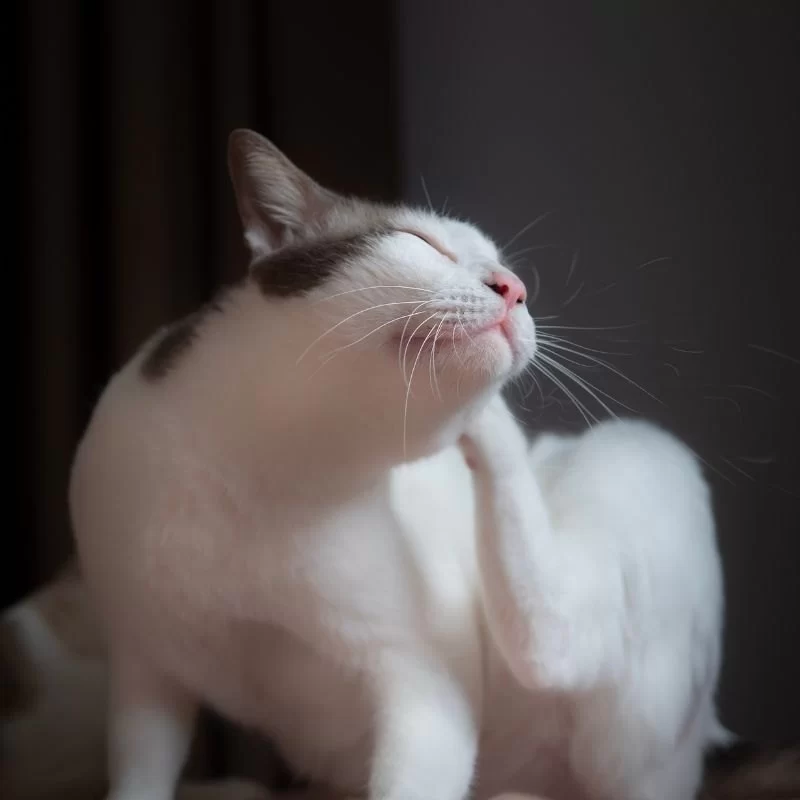
If you’ve noticed your cat scratching its ears continuously, you’re likely asking: why is my cat scratching ears excessively? Excessive ear scratching is a sign of discomfort and can indicate various underlying conditions from mild irritation to serious infection. Cats have sensitive ear canals, and inflammation, mites, or foreign objects can quickly trigger repetitive scratching.
Understanding why cat scratching ears excessively happens helps owners respond with empathy and prompt action. Even something as minor as seasonal allergies can cause itching, while prolonged scratching often leads to injury and stress. By exploring common causes and safe responses, this guide offers actionable advice to help your cat feel better quickly.

2. Possible Causes of Excessive Ear Scratching
Several reasons may prompt your cat to scratch ears excessively, each requiring a different approach:

2.1 Ear Mites
Ear mites are a common culprit, especially in kittens or outdoor cats. These parasites cause intense itching and dark, coffee-ground ear discharge. A cat infested with mites can shake its head and scratch so hard that the skin becomes irritated or bloody.
2.2 Yeast or Bacterial Infection
Infections may develop due to moisture, allergies, or wax build-up. Symptoms include head shaking, red inflamed skin inside the ear, foul odor, and frequent scratching. These conditions often mimic mite infestations but require different treatment.
2.3 Allergies and Environmental Irritants
Indoor allergens such as dust, pollen, or cleaning sprays can inflame your cat’s ears. Food allergies can also manifest as ear irritation. Cats may scratch only intermittently, but the response can be persistent if triggers remain present.
2.4 Foreign Objects or Trauma
A small object like a grass seed lodged in the ear or trauma from rough play may lead to discomfort and scratching. Even an ear hematoma—caused by vigorous scratching—can further aggravate your cat’s behavior.
3. When to Seek Veterinary Help
Not every scratch session is urgent, but certain warning signs should trigger a vet visit:
- Continuous scratching or shaking for more than 48 hours.
- Redness, swelling, or discharge visible inside the ear canal.
- Pungent odor from the ears.
- Signs of pain such as yowling, avoidance of touch near the head, or sudden head tilt.
- Secondary skin lesions from scratching or bleeding.
If your cat shows any of these symptoms, prompt veterinary evaluation is necessary to diagnose the cause properly and prevent complications like hematomas or chronic infections.
4. Home Care and Relief Options
While professional guidance is vital for persistent issues, mild irritation might benefit from safe home care:
4.1 Cleaning with Care
Use a vet-approved ear cleanser to gently clean visible wax or debris. Apply a small amount and wipe with a soft cotton ball—never insert anything deep into the canal.
4.2 Soothing Ear Drops
For minor redness or irritation, over-the-counter ear drops designed for cats may soothe the skin. Always consult your vet before using any product to avoid allergic reactions or contraindications.
4.3 Prevent Scratching Behavior
A protective collar (cone) can prevent your cat from causing further injury while healing. Distraction techniques—like play or treats—can also reduce scratching episodes temporarily.
5. Preventing Future Ear Problems
Once the issue is under control, proactive steps can reduce recurrence and improve overall ear health:
5.1 Regular Ear Checks
Weekly inspections allow you to spot early signs of mites, wax buildup, or redness before they escalate. Use good lighting and gentle handling to keep your cat comfortable.
5.2 Maintain Clean Environment
Minimizing allergens such as dust or cigarette smoke helps prevent irritation. Food-grade cleaners and regular vacuuming also reduce environmental triggers.
5.3 Balanced Nutrition and Supplements
High-quality diets and supplements rich in omega‑3 fatty acids support skin and coat health. A healthy coat can mean fewer skin irritations and better resistance to allergens.
6. Hidden Brook Veterinary Support and Resources
If your cat is persistently scratching ears or showing signs of discomfort, Hidden Brook Veterinary offers expert diagnostics and treatment plans tailored to ear conditions in cats. Our team provides diagnostic testing for mites, cultures for infection, and safe prescribed treatments.
We also offer behavioral consulting to identify triggers and support preventive wellness for cats with recurring ear issues. By combining expert care with owner education, Hidden Brook Veterinary ensures your cat’s ears stay healthy and itch‑free.
Noticing your cat scratching ears excessively? Don’t wait—start with gentle home care, but when in doubt, rely on professional guidance to keep your pet comfortable and healthy.