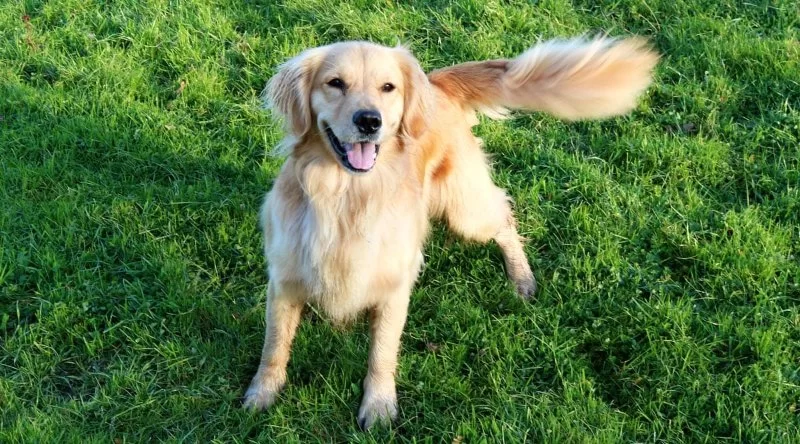
1. Introduction: Understanding Your Dog's Behavior
As pet owners, we are often attuned to our dog's behavior, and one of the most noticeable signs of a happy dog is the wagging of its tail. But what happens when your dog is not wagging its tail as usual? This change can be concerning, and it’s important to understand what might be causing it. Tail wagging is a natural way dogs communicate, and when it stops or becomes less frequent, there could be several reasons behind it. Let’s explore the potential causes and what you can do to help your furry friend.

2. Physical Health Issues: The Possible Causes of a Non-Wagging Tail
When a dog suddenly stops wagging its tail, one of the first things to consider is whether the dog is experiencing any physical health problems. Tail injuries, pain, or discomfort can make your dog reluctant to move its tail, leading to a decrease in wagging.
2.1. Tail Injury or Strain
Dogs, especially active ones, can sometimes suffer from injuries to their tails. A sprain, fracture, or even a soft tissue injury can make tail movement painful. If your dog shows signs of discomfort when their tail is touched, this could be a clear indicator of an injury.
2.2. Arthritis and Joint Pain
Just like humans, dogs can suffer from joint pain as they age, and this includes arthritis in their tails. If your dog is older or has a history of joint issues, arthritis might be the reason for their reduced tail wagging. The pain caused by arthritis can make movement uncomfortable, and your dog may avoid wagging its tail altogether.
2.3. Neurological Issues
Neurological disorders, such as nerve damage or spinal issues, can affect your dog’s ability to wag its tail. If the tail is not moving at all, or it seems limp, there could be an issue with the nerves controlling that movement. In such cases, it is important to consult a veterinarian for further diagnosis.
3. Emotional or Behavioral Causes: Is Your Dog Feeling Anxious or Stressed?
In some cases, the absence of tail wagging might not be due to a physical issue but rather an emotional or behavioral change. Dogs are sensitive creatures, and their tail movements are a key part of how they express emotions like excitement, fear, and happiness.
3.1. Stress or Anxiety
Just like humans, dogs can experience stress and anxiety. If your dog is in a new environment, dealing with loud noises, or facing separation anxiety, it might not wag its tail as often. Sometimes, when dogs feel fearful or anxious, they will hold their tails still or tuck them between their legs as a sign of submission or discomfort.
3.2. Depression
Dogs can suffer from depression just like humans. A significant change in their routine, the loss of a companion, or a lack of mental stimulation can lead to a lack of enthusiasm and tail movement. If your dog seems withdrawn or uninterested in activities they once enjoyed, it could be an indicator of emotional distress.
3.3. Aging and Reduced Energy Levels
As dogs age, they may experience a reduction in their energy levels, which can affect how often they wag their tails. Older dogs may not show the same level of excitement or enthusiasm as younger dogs, leading to less frequent tail wagging. It’s important to pay attention to your dog’s overall behavior and activity levels as they age.
4. What You Can Do to Help Your Dog
If your dog is not wagging its tail as usual, it’s important to monitor their behavior closely and consult a veterinarian to rule out any physical issues. Here are some steps you can take to help your dog:
4.1. Visit the Veterinarian
Whenever there’s a sudden change in behavior, especially one as noticeable as a lack of tail wagging, it’s always a good idea to consult with your vet. A professional can diagnose any potential health issues such as tail injuries, arthritis, or neurological problems.
4.2. Reduce Stress and Anxiety
If stress or anxiety is the cause, try to create a calm and predictable environment for your dog. Ensure they have a safe space to retreat to, and consider using calming aids like pheromone diffusers or anxiety-reducing products. Regular walks and interactive playtime can also help alleviate stress.
4.3. Keep Them Active and Engaged
To address potential depression or aging, make sure your dog gets enough mental and physical stimulation. Regular exercise, puzzle toys, and playtime can help improve their mood and energy levels. For senior dogs, consider joint supplements and comfortable bedding to ease any discomfort they may experience.
5. When to Be Concerned: Seeking Immediate Help
If your dog’s tail is completely limp or they are showing signs of severe pain, such as crying when their tail is touched, or if they are avoiding moving their tail altogether, it is important to seek veterinary attention immediately. Additionally, if you notice other symptoms like changes in appetite, vomiting, or lethargy, these could be signs of a more serious issue requiring urgent care.
Your dog’s tail is a key part of their communication and overall well-being. By paying attention to changes in their behavior and seeking professional advice when needed, you can ensure that your pet is happy, healthy, and comfortable.
For more expert advice on your pet's health, visit Hidden Brook Veterinary, where you can find the best products and services to help care for your furry friend.