Why Your Dog Isn’t Wagging Their Tail as Usual and What It Means
If you’ve noticed that your dog isn’t wagging their tail as usual, it can be a cause for concern. Tail wagging is one of the most common ways dogs express themselves, and a change in this behavior might indicate that something is wrong. While occasional changes in tail wagging are normal, persistent changes or the absence of tail wagging altogether can be a sign of health issues or emotional distress. In this article, we’ll explore the potential reasons why your dog might not be wagging their tail and what you can do about it.
1. The Significance of Tail Wagging in Dogs
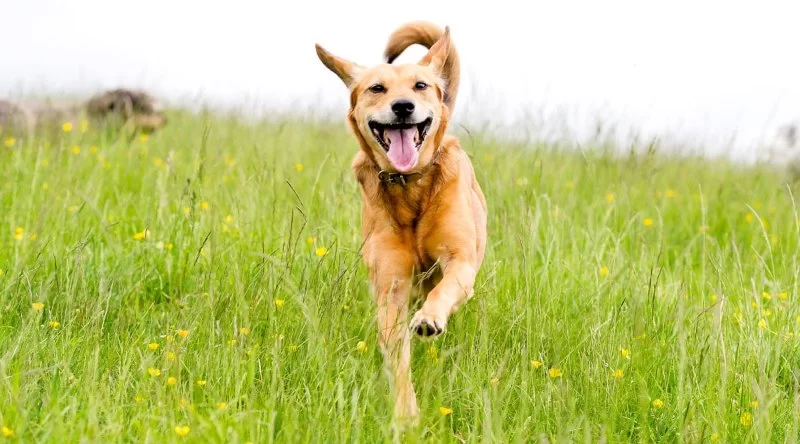
Tail wagging is a vital form of communication for dogs. It’s often associated with happiness and excitement, but it can also express other emotions such as anxiety, fear, and even aggression. Different tail movements and positions convey different emotions, and a wagging tail doesn’t always mean your dog is happy. Understanding the context and the way your dog’s tail moves is essential for interpreting their feelings.
Dogs may wag their tails when they’re excited, friendly, or eager, but they can also stop wagging when they’re scared, anxious, or in pain. Changes in this behavior, particularly when your dog isn’t wagging their tail as usual, could indicate that they are not feeling their best.

2. Common Causes for a Dog Not Wagging Their Tail as Usual
If your dog has stopped wagging their tail as they usually do, there could be several underlying causes. These range from physical health issues to emotional distress. Here are some of the most common reasons why your dog may not be wagging their tail:
2.1 Health Problems and Pain
One of the most common reasons a dog stops wagging their tail is due to pain or injury. If your dog has hurt their tail or is experiencing pain in their back, hips, or legs, they may be less inclined to wag their tail. Conditions like arthritis, muscle strains, or even a tail injury could make it uncomfortable for your dog to wag their tail as usual.
In severe cases, dogs may stop wagging their tails altogether due to more significant health issues like spinal problems, nerve damage, or internal injuries. If your dog is also showing other signs of discomfort, such as limping, reluctance to move, or vocalizing when touched, it’s important to seek veterinary attention.
2.2 Anxiety or Stress
Dogs can stop wagging their tails as a sign of emotional distress. Anxiety and stress can cause behavioral changes, and a dog who is feeling nervous or fearful might not wag their tail as they usually do. Changes in the environment, such as a move to a new home, loud noises, or new people or animals in the household, can trigger stress in your dog. In these situations, your dog may exhibit more signs of unease, such as hiding, panting, or avoiding eye contact, along with a lack of tail wagging.
If your dog’s tail wagging has decreased around certain triggers or situations, such as during storms or when meeting strangers, it could be a sign that they are experiencing anxiety. Providing a calm environment and using calming aids, like pheromone diffusers, may help alleviate your dog’s stress.
2.3 Depression and Emotional Issues
Just like humans, dogs can experience periods of depression. If your dog has lost interest in activities they usually enjoy, like playing or interacting with you, it could be a sign of depression. Depression in dogs can cause them to exhibit behavioral changes, including reduced tail wagging. Loss of a companion, a sudden change in routine, or prolonged periods of isolation can lead to feelings of sadness in dogs.
In addition to a lack of tail wagging, you may notice that your dog becomes more withdrawn, sleeps excessively, or shows a decreased appetite. If you suspect that your dog might be depressed, it’s important to talk to your veterinarian for guidance on how to improve their emotional well-being.
2.4 Fear or Aggression
A dog’s tail position and wagging behavior can change significantly when they are frightened or feel threatened. If your dog is showing a lack of tail wagging, it could be due to fear or aggression. Dogs that are scared or anxious may tuck their tails between their legs, hold their tails rigid, or avoid wagging them altogether. This behavior can occur if your dog feels cornered, threatened, or uncomfortable in their environment.
In cases where your dog’s lack of tail wagging is combined with signs of aggression, such as growling, baring teeth, or stiffening up, you should exercise caution and contact a professional trainer or behaviorist to help address these issues.
2.5 Old Age and Physical Limitations
As dogs age, they may experience physical limitations that can affect their ability to wag their tails as they once did. Conditions like arthritis, joint pain, or muscle weakness may reduce your dog’s mobility and flexibility, making tail wagging more difficult. Older dogs may also become less expressive as they conserve energy or as a result of cognitive decline.
If your senior dog is not wagging their tail as usual, along with showing other signs of aging such as slower movement, difficulty getting up, or changes in eating habits, it’s a good idea to consult your veterinarian. There may be treatments or interventions that can improve their quality of life and comfort.
3. When to Seek Veterinary Help
If your dog’s lack of tail wagging is accompanied by other concerning symptoms, such as pain, swelling, reluctance to move, changes in appetite, or behavioral shifts, it’s important to seek veterinary care. A veterinarian can perform a thorough examination to determine the underlying cause and recommend appropriate treatment or therapies to address the issue.
3.1 Health-Related Symptoms to Watch For
Pay attention to the following signs in your dog, which may indicate a health problem requiring veterinary attention:
- Increased pain or sensitivity when touched, particularly around the tail, back, or legs
- Changes in your dog’s mobility, such as limping or reluctance to walk or jump
- Loss of appetite or significant weight changes
- Excessive panting or drooling
- Behavioral changes such as aggression, withdrawal, or confusion
If you notice any of these symptoms, contact your veterinarian to rule out health conditions and receive proper treatment for your dog.
4. Conclusion: Understanding Your Dog’s Tail Behavior
A lack of tail wagging in dogs can be a sign of various physical or emotional issues, from pain and anxiety to depression and aging. By paying attention to your dog’s behavior, consulting with a veterinarian, and taking proactive steps to address any concerns, you can help ensure that your dog remains happy, healthy, and comfortable.
If you're unsure about the cause of your dog’s lack of tail wagging or if you’re concerned about their health, don’t hesitate to seek advice from a trusted veterinary professional. At Hidden Brook Veterinary, we are committed to helping you keep your dog healthy and happy, providing expert advice and care when needed.