- noticing-your-dog-not-jumping-as-high
- common-causes-behind-declining-jump-ability
- what-to-do-if-you-see-this-change
- real-cases-where-small-changes-made-a-big-difference
- when-to-seek-professional-help
1. Noticing Your Dog Not Jumping as High
One moment your dog is leaping onto the couch like a furry rocket. The next, you notice they hesitate—or avoid jumping altogether. It can be easy to brush off at first, but subtle changes in your dog’s jumping ability may signal something deeper. Just like humans slow down with age or injury, dogs have their own silent ways of telling us when something's wrong.
A drop in your dog’s jump height might seem minor, but it’s often the body’s way of whispering about discomfort. Whether it's arthritis setting in or a sore ligament, early signs shouldn’t be ignored.
2. Common Causes Behind Declining Jump Ability
2.1 Age and Natural Wear
Just as we get stiffer with age, dogs experience joint wear too. Senior dogs, especially large breeds, are prone to osteoarthritis. This results in reduced mobility, pain on impact, and stiffness after rest. You might notice they stretch more before moving or hesitate when invited to jump.

2201 Wildcat Reserve Pkwy C9, Highlands Ranch, CO 80129, USA
See Details2.2 Hidden Injuries
Sometimes the cause is a sprained muscle, ligament strain, or micro-tear from rough play or an awkward landing. Dogs often mask pain due to instinct, so you may not hear a yelp or see a limp—just a sudden drop in jumping enthusiasm.
2.3 Joint Conditions Like Hip Dysplasia
Hip dysplasia and luxating patella are common orthopedic conditions, especially in breeds like Labradors or French bulldogs. These can lead to pain, poor muscle alignment, and ultimately, reduced ability or willingness to jump.
2.4 Weight Gain
Even a few extra pounds can place serious stress on a dog’s joints. A heavier dog may avoid jumping not due to laziness but because of the discomfort it causes. Monitoring weight is essential for maintaining agility.
3. What to Do If You See This Change
3.1 Don’t Panic—Observe
Start by watching your dog’s behavior over a few days. Is the reluctance consistent? Are they limping or stiff after walks? Do they show signs of pain when touched around the hips or legs?
3.2 Gentle Activity Adjustment
Temporarily reduce intense jumping or running games. Replace with low-impact activities like swimming or leash walks. Give joints a chance to heal if inflammation is present.
3.3 Supplements and Home Comfort
Glucosamine and chondroitin supplements can support joint health. Orthopedic beds, ramp access to couches, and non-slip flooring also help keep your pup comfortable. Many pet parents report great results after just a few weeks.
At this stage, it’s smart to consult a trusted veterinarian. For reliable recommendations on canine joint care or rehab-friendly products, we often suggest exploring options from Hidden Brook Veterinary.
4. Real Cases Where Small Changes Made a Big Difference
Bailey, a seven-year-old Golden Retriever, went from vaulting over backyard flower beds to barely hopping onto her dog bed. Her family feared she was declining quickly, but a simple change in diet, fish oil supplementation, and short hydrotherapy sessions helped her regain strength—and her joy of jumping.
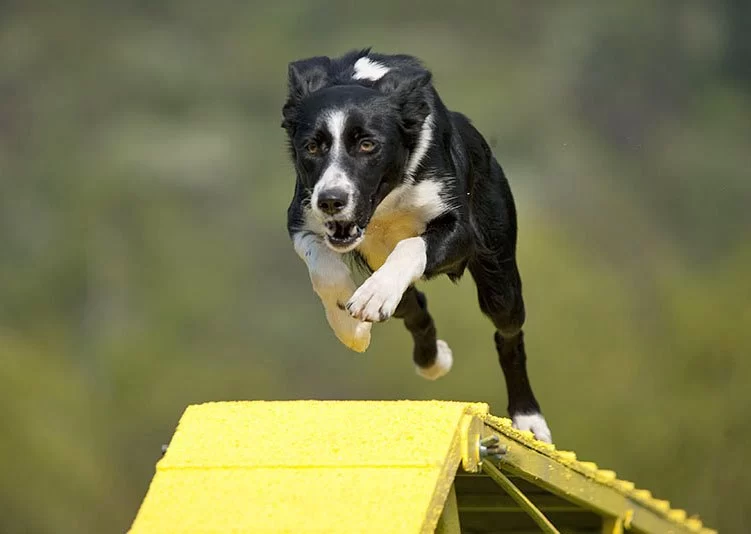
Another case involved Max, a young Border Collie who suddenly refused to leap for frisbees. After a Hidden Brook Veterinary evaluation, a soft tissue strain was discovered. Two weeks of rest and a structured return-to-activity program got him back to full form without surgery.
5. When to Seek Professional Help
5.1 Persistent Hesitation or Decline
If your dog continues to show reduced jump height, or if the change comes suddenly and doesn’t improve within a few days, it’s time to book an appointment. Early diagnosis often means faster, less invasive treatment.
5.2 Signs Accompanying Reduced Jumping
Limping, swelling, crying out when touched, or overall lethargy can signal injury or disease. Vets may recommend X-rays, joint taps, or physical therapy evaluations depending on what they find.
Getting a timely evaluation not only spares your dog unnecessary pain, but also saves you from the stress of wondering. Whether it’s joint inflammation or a more serious condition, veterinary insights are key. And clinics like Hidden Brook Veterinary can guide you toward the best next steps, products, and resources.