- common-reasons-dog-not-eating-dry-food - Common Reasons Your Dog Is Not Eating Dry Food Anymore
- health-concerns-you-should-rule-out - Health Concerns You Should Rule Out
- behavioral-and-environmental-triggers - Behavioral and Environmental Triggers
- how-to-reintroduce-dry-food-safely - How to Reintroduce Dry Food Safely
- when-to-consult-a-vet - When to Consult a Vet
1. Common Reasons Your Dog Is Not Eating Dry Food Anymore
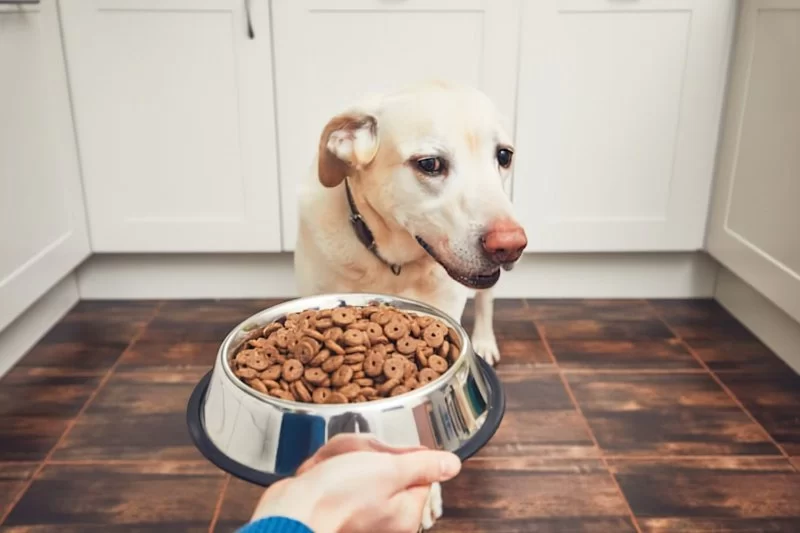
If your dog suddenly turns away from dry kibble, you’re not alone—this is a surprisingly common concern among pet parents. The shift in appetite might appear overnight or gradually, and while it's frustrating, it's often fixable once you understand the cause. Some dogs simply grow bored with monotonous textures or flavors. Others may develop preferences after being introduced to wet or human food. Age can also play a factor, as older dogs might find dry kibble uncomfortable to chew.

2. Health Concerns You Should Rule Out
Before assuming your dog is just being picky, it’s essential to rule out medical causes. Dental problems like gingivitis, cracked teeth, or oral ulcers are leading culprits—dry food can be painful to chew in these cases. Digestive issues such as nausea or pancreatitis can also suppress appetite for harder foods. Changes in appetite can even point to more serious internal issues such as kidney disease or infections.
A story from a Hidden Brook Veterinary client involved a 7-year-old Golden Retriever who suddenly stopped eating dry food. After an exam, the vet discovered a cracked molar. Once treated, the dog happily returned to his kibble. It's a reminder that sometimes, what seems behavioral is actually physical.
3. Behavioral and Environmental Triggers
Dogs are creatures of habit, and minor shifts in routine can impact their eating behavior. New additions to the home (like a baby or another pet), a change in feeding time, or even a new bowl can cause unease. Emotional factors such as anxiety from separation, storms, or travel might also make your dog reject food.
In other instances, dogs get conditioned to expect more “exciting” food. If you've been mixing table scraps or wet food with their kibble, they may start holding out for the good stuff. To counter this, try feeding only at consistent times and remove uneaten food after 15 minutes. This reinforces routine and discourages pickiness.
4. How to Reintroduce Dry Food Safely
If you're set on getting your dog back on dry kibble, take it slow. Start by mixing a small portion of dry food with wet or warm water to soften it. Gradually reduce the wet portion over several days. Try enhancing the smell by warming it up or sprinkling a bit of unsalted chicken broth.
Use positive reinforcement: praise your dog for even sniffing or licking the food. Some pet owners have found success rotating between different dry food brands with similar nutritional profiles to keep their pup interested. And remember, always introduce new food gradually over a 7-day period to avoid digestive upset.
5. When to Consult a Vet
If your dog refuses dry food for more than 48 hours or shows additional symptoms like vomiting, lethargy, or diarrhea, consult a veterinarian immediately. Prolonged food refusal can lead to malnutrition, especially in puppies or senior dogs.
At Hidden Brook Veterinary, we often help owners assess whether the issue is rooted in behavior or health. Our team can suggest palatable veterinary-approved foods or even develop a personalized feeding strategy for your pup.
A dog not eating dry food anymore isn't always a crisis, but it's always worth investigating. With a bit of patience, careful observation, and guidance from professionals, most dogs return to their regular feeding habits—and maybe even enjoy it more than before.