- 1 - Common Reasons Dogs Struggle with Stairs
- 2 - The Role of Age and Arthritis
- 3 - Injuries and Muscle Weakness
- 4 - Behavioral or Fear-Based Factors
- 5 - Real Cases of Dogs Struggling with Stairs
- 6 - Solutions and How to Support Your Dog
- 7 - When It’s Time to See a Veterinarian
1 - Common Reasons Dogs Struggle with Stairs
If your dog is having trouble climbing stairs, it could stem from a mix of physical and emotional factors. Mobility issues are among the most common, but sometimes hesitation comes from fear or unfamiliarity. Observing whether the struggle is sudden or gradual can help narrow down the cause. Dogs that previously had no problem may be experiencing a developing health issue that needs attention.

2 - The Role of Age and Arthritis
Senior dogs often find stairs especially challenging due to arthritis or hip dysplasia. These conditions make joints stiff and painful, particularly when climbing. A 10-year-old Labrador, for instance, may start showing signs of reluctance on stairs long before they limp on flat ground. Owners sometimes mistake this as laziness, when in reality, it’s discomfort. Providing orthopedic support and joint supplements can make a noticeable difference.
3 - Injuries and Muscle Weakness
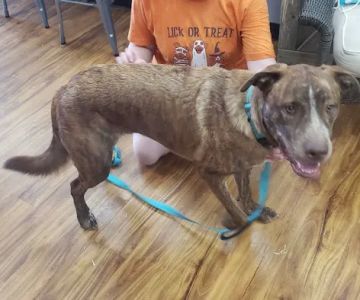
Aside from age, injuries such as sprained ligaments or back problems can lead to mobility struggles. Even younger dogs recovering from surgery may hesitate at staircases. Muscle weakness from lack of exercise can also be a factor. A dog that has been less active—perhaps after an injury—might need gradual strengthening exercises to regain stair confidence.
4 - Behavioral or Fear-Based Factors
Not every case of stair hesitation comes from pain. Some dogs develop fear after slipping on stairs once. Others are intimidated by open steps or steep staircases. Puppies raised in homes without stairs may also struggle when they first encounter them. In these cases, gentle training with positive reinforcement can help build trust and confidence.
5 - Real Cases of Dogs Struggling with Stairs
One Golden Retriever owner shared online how their pet suddenly stopped going upstairs at night. After a veterinary checkup, arthritis was diagnosed, and medication combined with stair treads restored mobility. Another case involved a rescue dog afraid of open staircases. Through patient training and treats, the dog eventually mastered the stairs. These real-life stories highlight the importance of distinguishing between medical and behavioral causes.
6 - Solutions and How to Support Your Dog
There are practical solutions for a dog having trouble climbing stairs. Adding non-slip stair treads, installing a pet ramp, or using a supportive harness can ease the climb. For senior dogs, joint-friendly diets and medications prescribed by veterinarians provide long-term relief. Ensuring your dog maintains a healthy weight also reduces stress on joints. For behavioral issues, slow training paired with encouragement helps rebuild trust in stair use.
7 - When It’s Time to See a Veterinarian
If your dog’s trouble climbing stairs is persistent, sudden, or accompanied by limping, yelping, or lethargy, it’s time to consult a professional. A veterinarian can identify whether the issue is medical, such as arthritis or a spinal condition, or if it’s behavioral. Clinics like Hidden Brook Veterinary provide tailored solutions to improve your dog’s comfort and mobility, ensuring they continue to live an active and happy life.