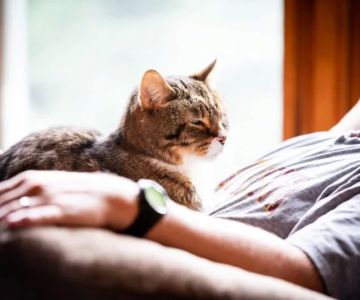
Why Your Cat Might Be Sleeping a Lot But Not Engaging – Key Reasons Explained
If you've noticed that your cat is sleeping a lot but not engaging with you or their surroundings, it could be a sign that something is off. Cats are known for their love of napping, but when their behavior changes and they seem lethargic or disinterested, it's natural to feel concerned. In this article, we'll explore the possible reasons why your cat might be sleeping more than usual and not engaging, and what you can do to help them feel better.
- 1. Physical Health Issues
- 2. Stress or Anxiety
- 3. Aging
- 4. Environmental Factors
- 5. Lack of Stimulation
1. Physical Health Issues
One of the most common reasons for your cat sleeping excessively and not engaging could be physical health problems. Just like humans, cats can suffer from a variety of health issues that can cause them to feel tired, lethargic, and uninterested in play or interaction. Conditions like arthritis, dental disease, kidney problems, or even infections can make a cat feel weak or uncomfortable, causing them to sleep more and avoid socializing.
If your cat’s behavior has suddenly changed and they’re not showing their usual energy or playfulness, it’s important to consult with a veterinarian. A thorough check-up can help rule out or confirm any underlying health issues that might be affecting your cat’s behavior.

2. Stress or Anxiety
Just like people, cats can experience stress and anxiety, and these emotional factors can cause them to withdraw and sleep more than usual. A sudden change in their environment, such as moving to a new home, a change in routine, or the introduction of a new pet or family member, can leave your cat feeling unsettled.
In these situations, your cat may retreat to their favorite resting spots to escape the stress, leading to longer naps and less engagement. If you suspect that stress or anxiety is the cause of your cat's behavior, try to identify any triggers and create a calming environment for them. Consider using calming pheromones or even speak with your veterinarian about options for managing anxiety in pets.

3. Aging
If your cat is getting older, it’s natural for their energy levels to decrease. Older cats tend to sleep more and may not engage with you as actively as they once did. This is a normal part of the aging process, and while they may still enjoy their favorite activities, they may not have the same stamina to engage in long periods of play or exploration.
However, if your senior cat is showing signs of discomfort or their behavior has drastically changed, it’s worth having them evaluated by your vet. Older cats are prone to conditions like arthritis, kidney disease, and hyperthyroidism, which can affect their energy levels and behavior.
4. Environmental Factors
Sometimes, changes in your cat’s environment can lead to them sleeping more or being less social. Factors like extreme temperatures, changes in their feeding schedule, or even a disruption in their daily routine can cause them to sleep more as they adjust.
Ensure that your cat’s environment is comfortable and conducive to their well-being. Make sure they have a quiet, cozy place to rest, and try to maintain a stable routine. If your cat’s lack of engagement persists despite these changes, it’s worth speaking to your vet to rule out any health concerns.
5. Lack of Stimulation
Cats are naturally curious creatures, and they require mental and physical stimulation to stay engaged. If your cat is not being mentally challenged or physically active enough, they may sleep excessively to pass the time. Boredom can result in a lack of interest in play, interaction, and exploration, leading to more naps and a withdrawal from activities.
To help combat this, make sure to engage your cat with toys, puzzles, and new activities that stimulate their mind and body. Interactive play, climbing structures, and even outdoor adventures (safely enclosed or supervised) can help your cat feel more energized and mentally stimulated.
In conclusion, if your cat is sleeping a lot but not engaging with you, it’s important to pay attention to any changes in their behavior and consult with a vet if necessary. Whether it’s a health concern, stress, aging, environmental factors, or boredom, there are plenty of steps you can take to help your cat feel more active and engaged.
If you're concerned about your cat's health or need advice on how to improve their environment or engagement, don’t hesitate to reach out to a professional like those at Hidden Brook Veterinary, where you can find expert care and guidance.