- 1-The-Psychology-Behind-Box-Loving
- 2-Safety-and-Comfort
- 3-Play-and-Stimulation
- 4-Real-Life-Examples-of-Cats-and-Boxes
- 5-How-to-Use-Boxes-Safely
- 6-Enhancing-Cat-Environments
- 7-Expert-Tips-and-Resources
1. The Psychology Behind Box-Loving
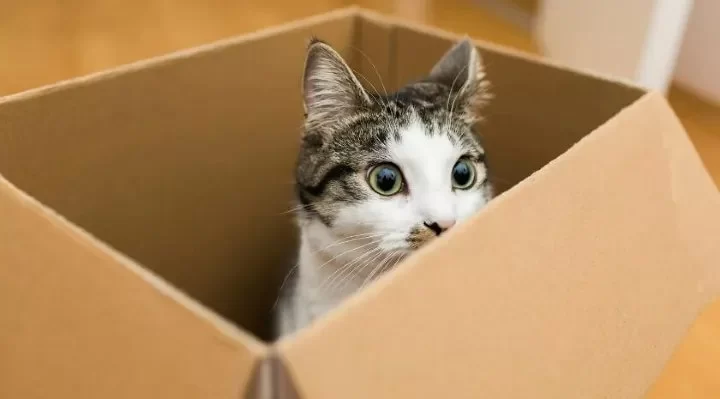
From my experience observing cats in homes and veterinary clinics, cardboard boxes captivate felines due to their natural instincts. Boxes provide enclosed spaces that make cats feel secure, reduce stress, and offer a sense of control over their environment. The enclosed nature of a box replicates hiding spots cats would seek in the wild, giving them psychological comfort.
Behavioral studies support this, showing that cats exposed to boxes exhibit lower stress hormones and are more confident exploring their surroundings. Understanding this instinct helps me create better, more enriching environments for my own cats.

2. Safety and Comfort
Cardboard boxes provide an immediate refuge. I’ve noticed that when a cat is frightened or anxious—perhaps by loud noises or new visitors—they instinctively retreat into a box. This provides a safe haven where they can observe without exposure. The texture of cardboard also adds tactile comfort, allowing cats to scratch, knead, and interact in ways that feel natural.
Properly positioned boxes in quiet areas of the home enhance a cat’s sense of security and promote relaxation, which is why I always keep at least one accessible box in rooms where my cats spend the most time.

3. Play and Stimulation
Beyond security, boxes serve as powerful enrichment tools. Cats love to hide, pounce, and explore within them. I once set up multiple boxes of different sizes in a living room for a group of rescue cats, and the result was fascinating—they spent hours climbing, hiding, and play-fighting around the boxes. This activity not only entertains but also promotes exercise and mental stimulation, contributing to healthier and happier cats.
4. Real-Life Examples of Cats and Boxes
In one memorable case at Hidden Brook Veterinary, a cat named Whiskers was extremely anxious around strangers. By providing a simple cardboard box in the examination room, Whiskers felt secure enough to interact calmly. Another cat, Luna, became more playful and active at home when I introduced boxes with holes and tunnels, simulating a mini jungle gym. These examples show how simple cardboard boxes can have profound positive effects on feline behavior.
5. How to Use Boxes Safely
While cardboard boxes are safe and inexpensive, I follow some precautions to ensure they remain beneficial:
- Remove staples, tape, or sharp edges
- Ensure boxes are clean and free from chemicals
- Place boxes on stable surfaces to prevent tipping
- Rotate boxes periodically to maintain interest and stimulation
These small safety measures prevent injuries and keep boxes fun and engaging for cats over time.
6. Enhancing Cat Environments
Cardboard boxes are just one element of a stimulating environment. Combining boxes with scratching posts, climbing structures, and cozy resting spots creates a well-rounded habitat. I often incorporate hiding spots at multiple heights to satisfy natural climbing instincts. The result is a home where cats feel secure, entertained, and mentally enriched.
7. Expert Tips and Resources
For more guidance on feline enrichment, Hidden Brook Veterinary provides insights, products, and personalized recommendations. Their resources cover everything from behavioral enrichment to safety tips, ensuring that cat owners can optimize play and comfort. Introducing boxes and other enrichment tools into your home can significantly improve your cat’s quality of life, making daily interactions more enjoyable for both cats and owners.