- cat-biting-or-licking-one-area-constantly
- common-medical-reasons-behind-repetitive-grooming
- behavioral-triggers-that-lead-to-overgrooming
- how-to-respond-at-home-effectively
- real-life-case-stories-and-what-we-learned
- when-its-time-to-consult-a-vet
1. Cat Biting or Licking One Area Constantly
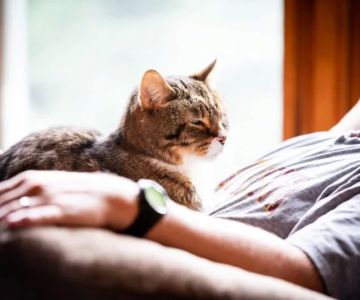
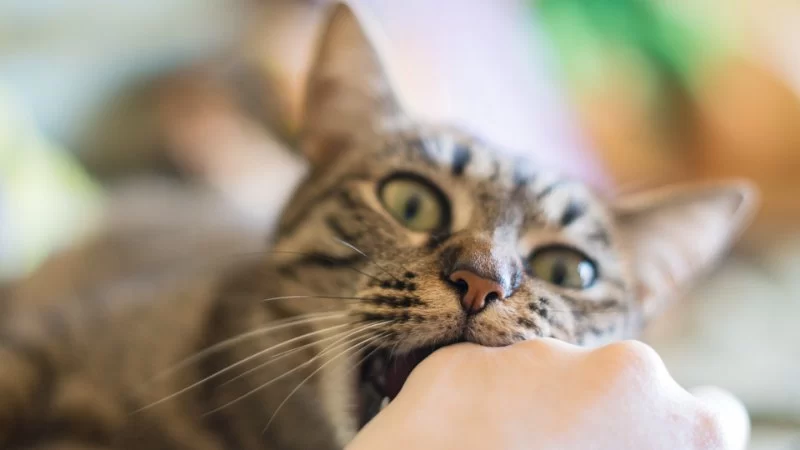
It often starts subtly—a few extra licks on their hind leg or a nibble near their tail. But as days pass, you may notice your cat biting or licking one specific area obsessively. Maybe even to the point of hair loss or redness. While it may look like “just grooming,” repetitive focus on one spot can be a red flag. Understanding what your cat is trying to tell you with this behavior is crucial.
2. Common Medical Reasons Behind Repetitive Grooming
2.1 Fleas, Ticks, and Parasites
The most common culprit behind localized licking or biting is fleas. Even indoor cats aren’t safe—fleas can be brought in on clothes or other pets. Some cats are allergic to flea saliva, leading to intense itching even from a single bite. Ticks and mites may also irritate specific areas like ears or under the tail.
2.2 Skin Infections and Allergies
Cats can suffer from food allergies, environmental allergens, or contact dermatitis. These issues often result in itchy, inflamed patches. Licking becomes a way for cats to soothe the sensation, but unfortunately, it tends to make things worse by spreading bacteria and delaying healing.
2.3 Injury or Pain Under the Skin
Sometimes a cat will lick or bite at an area that looks perfectly fine on the surface. But underneath, there might be a bruise, joint inflammation, or even a foreign object like a splinter. Cats also target arthritic joints or old wounds with persistent licking behavior.
3. Behavioral Triggers That Lead to Overgrooming
3.1 Anxiety and Compulsive Disorders
Stress and anxiety are significant drivers of overgrooming. Cats may fixate on one area as a coping mechanism—similar to how humans might bite their nails. Common stressors include moving, new pets, household changes, or boredom.
3.2 Attention-Seeking Behavior
Some cats learn that grooming excessively leads to owner interaction. If your cat has noticed that you pay attention when they lick or bite, they may use the behavior as a signal—especially if they’re under-stimulated.
4. How to Respond at Home Effectively
4.1 Monitor Patterns and Location
Take notes on when and where your cat is licking. Is it always after meals? Does it happen more when you’re away? This can help narrow down causes, such as food sensitivity or separation anxiety.
4.2 Check the Skin and Coat Closely
Gently examine the area your cat is focused on. Look for scabs, fleas, swelling, or bald patches. A flashlight or magnifying glass can be helpful for spotting small irritants.
4.3 Try Gentle Distractions
Offer new toys, increase play sessions, or provide puzzle feeders. Keeping your cat’s mind engaged may help if the cause is behavioral. But avoid punishing or scolding them—this can increase anxiety and worsen the behavior.
5. Real-Life Case Stories and What We Learned
Take the story of Luna, a domestic shorthair who obsessively licked her front paw. Her family thought it was a stress reaction to a new kitten in the house. But after a visit to Hidden Brook Veterinary, she was diagnosed with a yeast infection between her toes. A two-week antifungal treatment cleared up both the infection and the behavior.
Another case involved Oliver, a Bengal cat who licked the base of his tail until it was raw. After multiple exams, it turned out to be referred pain from a lower back strain caused by jumping awkwardly. With laser therapy and anti-inflammatory meds, Oliver returned to his usual self in less than a month.
6. When It’s Time to Consult a Vet
6.1 If the Behavior Persists More Than a Few Days
If your cat continues licking or biting the same spot after 48–72 hours, it's wise to get a professional opinion. Some conditions worsen quickly, and early treatment can prevent long-term damage or infection.
6.2 When You Notice Visible Damage
Redness, hair loss, scabbing, or foul odor in the area are all indicators that the situation has escalated beyond a behavioral quirk. At this point, over-the-counter remedies are unlikely to be enough.
Veterinary clinics like Hidden Brook Veterinary offer skin assessments, allergy testing, and tailored treatments that can resolve the root issue. Don’t wait for a minor grooming habit to turn into a major health issue.