- Understanding-Why-Cats-Paw-at-Their-Face-or-Eyes
- Common-Medical-Causes-Behind-the-Behavior
- When-to-Worry-and-Seek-Veterinary-Help
- A-Real-Case-of-a-Cat-in-Distress
- How-to-Care-for-Your-Cat-at-Home
- Why-Hidden-Brook-Veterinary-Is-a-Trusted-Choice
1. Understanding Why Cats Paw at Their Face or Eyes
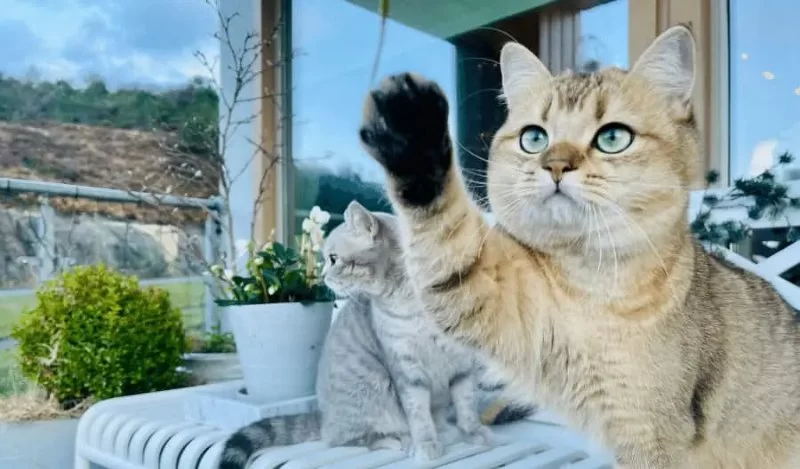
If you've noticed your cat pawing at their face or eyes frequently, it's not something to ignore. While the behavior may appear cute or playful at first, it can actually be a sign of underlying irritation, discomfort, or even pain. Cats are masters at masking illness, so repetitive face-pawing is often one of the few external clues they give us.
It’s important to observe the behavior closely. Is it occasional, or is your cat doing it several times an hour? Are they also squinting, blinking excessively, or showing signs of discharge around the eyes? Each of these can point to something more serious than an itch or grooming habit.

2. Common Medical Causes Behind the Behavior
Cats may paw at their face or eyes for several reasons, many of which require medical attention. Here are some of the most common causes:
Eye infections (conjunctivitis): These can cause discomfort, swelling, redness, and a sticky discharge. Cats may paw their eyes to relieve the irritation, but it can make the issue worse or introduce bacteria.
Allergies: Just like humans, cats can suffer from seasonal or environmental allergies. Pollen, dust, or certain cleaning products can cause itching and lead your cat to scratch or rub its face.
Foreign bodies: A speck of dust, a blade of grass, or a piece of litter can get lodged in the eye and cause serious discomfort. Cats may paw aggressively trying to dislodge it.
Scratches or injuries: A scratch from another cat or even a self-inflicted wound during grooming can lead to ongoing discomfort and facial pawing.
Dental pain: Surprisingly, cats with a toothache or oral infection might paw at their face—because the pain radiates around the jaw or eye area.
3. When to Worry and Seek Veterinary Help
While occasional pawing may not be alarming, frequent or aggressive face-pawing is a red flag. If your cat is:
- Pawing persistently at one eye
- Squinting or keeping one eye closed
- Discharging mucus or pus
- Showing swelling around the eyes
- Becoming irritable or withdrawn
It’s time to consult a vet. Delaying care could lead to corneal ulcers, infections, or even vision loss. At Hidden Brook Veterinary, we’ve seen many cases where early detection prevented long-term complications. It’s better to check than to wait.
4. A Real Case of a Cat in Distress
Last year, a family brought in their tabby, Luna, after noticing she had been pawing at her face for several days. At first, they assumed it was allergies, but the behavior escalated—she began hiding under the bed, keeping one eye closed.
When Luna arrived at Hidden Brook Veterinary, we discovered she had a small grass seed embedded under her eyelid. Left untreated, it could have caused permanent corneal damage. After a minor procedure and some anti-inflammatory drops, Luna was back to her playful self in less than a week.
Her story is a powerful reminder that what looks like a minor annoyance might actually be a call for help.
5. How to Care for Your Cat at Home
While professional help is key for diagnosis, you can take steps at home to support your cat’s eye health:
- Keep their face and eyes clean using a soft, damp cloth.
- Avoid using human eye drops—only products recommended by your vet are safe.
- Monitor your cat’s environment for dust, fragrances, or new plants that may be causing allergies.
- Trim your cat’s nails to reduce the risk of self-injury during pawing.
- Maintain regular vet checkups for early detection of recurring issues.
Most importantly, trust your instincts. You know your cat best—if something feels off, it probably is.
6. Why Hidden Brook Veterinary Is a Trusted Choice
Caring for your cat’s delicate eyes isn’t something to leave to chance. At Hidden Brook Veterinary, our team of experienced professionals provides compassionate, evidence-based care tailored to your cat’s unique needs. From minor irritations to surgical interventions, we treat each case with the urgency it deserves.
We believe in empowering pet parents with knowledge and support, so you can make confident decisions about your cat’s health. Whether you need a quick consultation or a comprehensive exam, our clinic is here to help your furry friend stay comfortable, happy, and safe.
If your cat is pawing at their face or eyes frequently, don’t wait for it to get worse. Let Hidden Brook Veterinary help you get to the root of the issue—because your pet deserves nothing less than expert, loving care.