- 1 - Understanding the Problem of Cats Not Eating
- 2 - Common Reasons Why Cats Stop Eating Treats and Food
- 3 - How to Encourage Your Cat to Eat Again
- 4 - When to Seek Veterinary Help
- 5 - Preventing Future Eating Issues in Cats
1. Understanding the Problem of Cats Not Eating
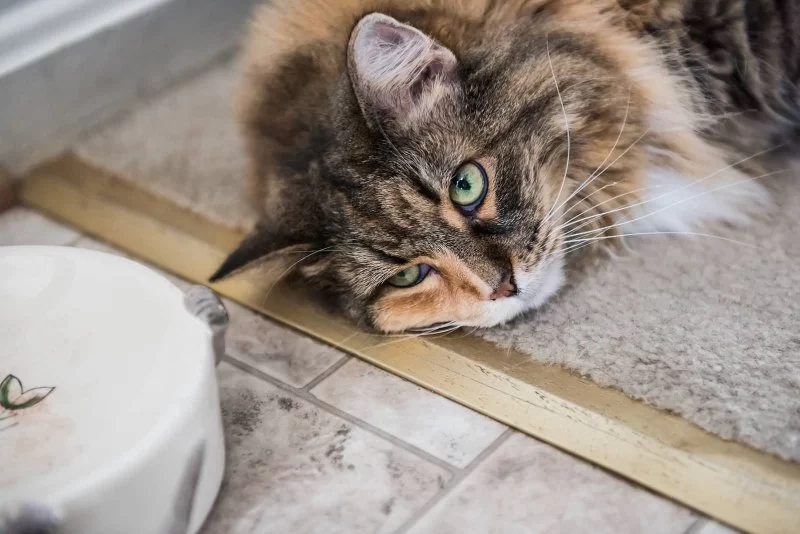
When your cat stops eating treats or food altogether, it can be a cause for concern. Cats are known for being finicky eaters, but a complete refusal to eat, whether it’s their regular meals or their favorite treats, could signal an underlying issue. This change in behavior can be temporary, or it could indicate a more serious health concern. Understanding the reasons behind this behavior is the first step in resolving the problem.

2. Common Reasons Why Cats Stop Eating Treats and Food
There are several potential reasons why your cat may refuse food. Some of the most common include:
- Health Problems: Medical issues such as dental disease, gastrointestinal problems, infections, or more serious conditions like kidney disease or liver issues can make eating painful or uncomfortable for cats. Cats may stop eating to avoid pain or due to a lack of appetite associated with illness.
- Stress and Anxiety: Changes in their environment, like a move to a new home, a new pet in the household, or even a change in routine, can cause stress and lead to a loss of appetite.
- Food Preferences: Cats are creatures of habit, and they may refuse to eat if they are offered food they don’t like or if there has been a change in the brand, flavor, or texture of their food. They may also get bored with their food if they are offered the same type for too long.
- Age: Older cats may develop a decreased sense of smell or taste, making food less appealing to them. Additionally, age-related health problems can also contribute to a loss of appetite.
3. How to Encourage Your Cat to Eat Again
Here are some strategies that can help encourage your cat to start eating again:
- Offer a Variety of Foods: Try offering a variety of flavors and textures. Wet food, for example, is often more appetizing to cats than dry kibble. You can also try warming up the food slightly to enhance the aroma, which may stimulate their appetite.
- Maintain a Routine: Cats thrive on routine. Try feeding them at the same times every day and in a quiet, comfortable space where they feel safe.
- Hand-Feed Your Cat: Sometimes, hand-feeding can encourage a cat to eat, especially if they are feeling insecure or stressed. You can offer a few bites of food directly from your hand or use a spoon to gently offer wet food.
- Provide Tempting Treats: High-value treats, such as tuna, cooked chicken, or freeze-dried meat, can entice even the most picky eaters. Just be sure not to overdo it, as these should be used as a supplement to their regular meals.
4. When to Seek Veterinary Help
If your cat continues to refuse food for more than 24-48 hours or shows signs of weight loss, lethargy, or vomiting, it's time to consult a veterinarian. Cats can develop serious health issues quickly due to a lack of food, and they may need medical intervention to treat the underlying cause. A vet will be able to perform a thorough examination, conduct necessary tests, and recommend the best course of action.

5. Preventing Future Eating Issues in Cats
Preventing future eating issues involves maintaining your cat’s overall health and well-being:
- Regular Vet Check-ups: Routine veterinary visits can help catch health problems early. A vet will be able to monitor your cat’s weight, dental health, and general well-being, ensuring that potential issues are addressed promptly.
- Healthy Diet: Offering a balanced and nutritious diet that meets your cat’s specific needs will help keep them healthy. Consult with your vet to determine the best food based on your cat’s age, activity level, and any medical conditions.
- Environmental Enrichment: Providing your cat with a stimulating environment, including toys, scratching posts, and cozy resting places, can reduce stress and help maintain their overall happiness, encouraging healthy eating habits.
If you're concerned about your cat’s eating habits, don’t hesitate to seek professional advice. For tailored recommendations and the best products for your pet’s health, visit Hidden Brook Veterinary for guidance and products designed to improve your cat’s well-being.