- 1-changes-in-cat-activity-should-you-worry
- 2-understanding-why-cats-avoid-walking-or-jumping
- 3-potential-medical-causes-for-cat-avoiding-jumps
- 4-behavioral-and-environmental-factors
- 5-what-you-can-do-at-home
- 6-when-to-see-the-vet
1. Changes in Cat Activity: Should You Worry?
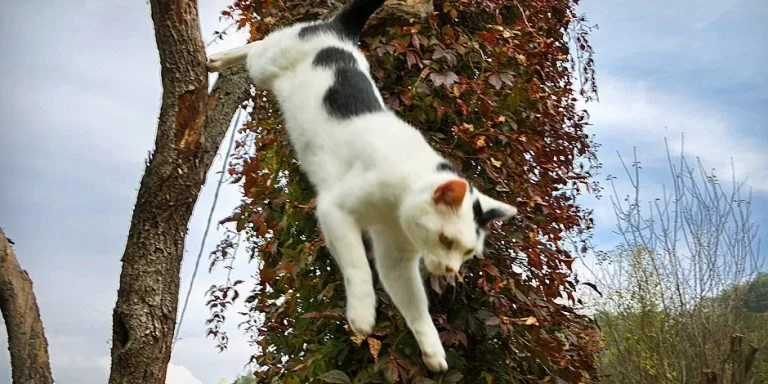
If your cat is suddenly avoiding long walks across the house or refusing to jump onto surfaces it once frequented, it’s not just being lazy. A noticeable drop in mobility is often one of the earliest signs that something deeper might be wrong. Cats are masters of hiding pain, so subtle changes in movement can be one of the few clues that signal discomfort, injury, or illness.
While age can naturally slow a cat down, even older cats should still be agile enough for basic movements like climbing onto a bed or windowsill. When they start opting out, it's time to investigate.
2. Understanding Why Cats Avoid Walking or Jumping
At first glance, this behavior might seem like mere stubbornness or moodiness. But a cat avoiding long walks or jumps is likely trying to prevent pain. Whether it's arthritis, a pulled muscle, or discomfort in their paws, cats instinctively limit movements that exacerbate their pain.
This is especially true if your cat used to enjoy high perches or exploring every inch of your home. If those habits disappear, the underlying cause could be physical discomfort rather than personality change.

3. Potential Medical Causes for Cat Avoiding Jumps
Here are some of the most common medical explanations behind this behavior:
Arthritis and Joint Pain: Particularly in older cats, osteoarthritis is a leading cause of reduced mobility. Joint stiffness makes even small jumps feel risky or painful.
Injuries: A sprain or soft tissue injury, especially after a rough landing or fall, might cause your cat to avoid movement altogether until it heals.
Obesity: Carrying extra weight strains your cat’s joints and muscles, making movement difficult. Many overweight cats stop jumping as a way to avoid pain.
Neurological Conditions: Some nerve-related disorders can impact coordination, leading cats to become hesitant with complex movements.
4. Behavioral and Environmental Factors
Not all causes are medical. Sometimes your cat’s reluctance comes from fear or environmental changes. A traumatic experience, like a loud noise while jumping or slipping off a surface, might make your cat anxious about trying again.
Also, cluttered or slippery household environments discourage confident jumping. Hardwood floors, for example, can be challenging for older cats to navigate, especially without proper traction.
5. What You Can Do at Home
If your cat is avoiding long walks or jumps, start with these steps:
Create easier pathways: Add pet stairs or ramps near furniture your cat used to access, so they can still enjoy elevated spaces safely.
Soft surfaces: Place rugs or traction pads to help your cat grip the floor while walking or jumping.
Weight management: If your cat is overweight, gradual weight loss through vet-supervised dieting can reduce joint strain and restore agility.
Interactive play: Use low-impact toys to keep your cat engaged and moving without pushing physical limits.
If symptoms persist, the next step is a professional evaluation.
6. When to See the Vet
If your cat’s movement changes have lasted more than a few days, or if your cat is showing signs of pain like limping, vocalizing, or hiding, it’s time to consult a veterinarian. Early intervention can help manage underlying issues before they become more serious or irreversible.
At Hidden Brook Veterinary, we often see cats with subtle symptoms like these that turn out to be early signs of arthritis, joint degeneration, or even dental pain affecting posture. With the right diagnosis, treatment options such as supplements, pain relief, or therapeutic adjustments can dramatically improve your cat’s comfort and mobility.
Your cat may not be able to tell you what’s wrong—but changes in movement are their way of communicating. Paying attention can make all the difference in their quality of life.