Why Is Your Dog Panting Excessively After Walking? Causes and Solutions
As a dog owner, it’s normal to notice your furry friend panting after a long walk. However, if you observe your dog panting excessively after a walk, you may be wondering whether it’s a sign of a health issue or just normal behavior. In this article, we’ll explore the causes of excessive panting in dogs after walking, potential health concerns, and tips to help you manage this behavior.

1. What Is Excessive Panting in Dogs?
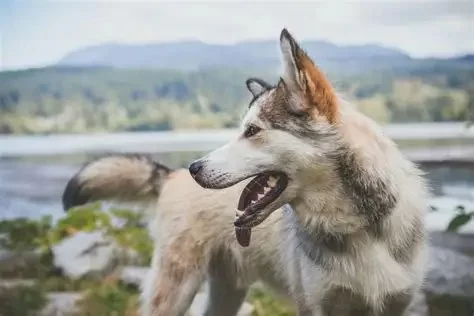
Panting is a common way for dogs to cool down and regulate their body temperature. Unlike humans, dogs don’t sweat through their skin, so they rely on panting to release heat. However, when panting becomes excessive, it could indicate an underlying issue. Excessive panting is characterized by rapid, shallow breathing that continues even after your dog has stopped walking or exerting energy.
2. Causes of Excessive Panting After Walking
There are several reasons why your dog might pant excessively after a walk. Some are harmless, while others could signal a health problem. Understanding the cause of your dog’s panting can help you determine if there’s cause for concern.
2.1. Physical Exhaustion
If your dog has just had a particularly long or vigorous walk, it’s natural for them to pant heavily. This is their body’s way of cooling down after exercise. In general, the panting should subside once your dog has rested and their body temperature returns to normal. Make sure to give your dog plenty of water to stay hydrated, especially after a long walk.
2.2. Heatstroke or Overheating
Heatstroke is a serious condition in which your dog’s body temperature rises to dangerous levels. This can happen if they are walked in hot weather or overexerted during physical activity. Symptoms of heatstroke include excessive panting, drooling, rapid pulse, and lethargy. If you notice these symptoms, it’s crucial to cool your dog down immediately by moving them to a shaded area and offering water. If symptoms persist, contact your veterinarian immediately.
2.3. Anxiety or Stress
Just like humans, dogs can experience anxiety or stress, which may lead to excessive panting. Some dogs pant heavily when they are nervous, frightened, or excited. If your dog tends to pant excessively after walks due to anxiety, try to identify the triggers—such as loud noises or crowds—and work on desensitizing your dog to these stressors.
2.4. Pain or Injury
Panting can sometimes be a sign that your dog is in pain or discomfort. If your dog has suffered an injury during the walk, such as a sprained leg or muscle strain, they may pant excessively as a result of the pain. Look for other signs of injury, such as limping or reluctance to move, and consult with your vet if necessary.
2.5. Heart or Lung Conditions
Excessive panting after walks may also indicate underlying heart or lung issues. Conditions such as heart disease, lung infections, or respiratory problems can make it difficult for your dog to breathe properly, leading to panting. If you notice persistent panting, coughing, or labored breathing, it’s essential to seek a veterinary evaluation to rule out serious health problems.
3. What Should You Do If Your Dog Pants Excessively After Walking?
If your dog is panting excessively after a walk, here are some steps you can take to ensure their well-being:
3.1. Ensure Proper Hydration
Make sure your dog has access to fresh water before, during, and after their walk. Dehydration can exacerbate panting and cause other health issues. Always carry water with you on walks, especially in hot weather, and offer it to your dog regularly.
3.2. Adjust the Intensity of Walks
If your dog is panting excessively, it might be due to the intensity of the walk. Consider shortening the duration or walking at a slower pace. Avoid walking during the hottest parts of the day, and choose cooler times in the early morning or evening.
3.3. Monitor for Other Symptoms
If the excessive panting is accompanied by other symptoms, such as coughing, vomiting, or difficulty breathing, it’s important to consult with your veterinarian. These could be signs of an underlying health condition that requires medical attention.
3.4. Gradually Increase Physical Activity
If your dog isn’t used to exercise, sudden bursts of physical activity can cause excessive panting. Gradually increase the intensity and duration of their walks to allow their body to adapt. Always monitor your dog’s energy levels and adjust accordingly.
4. When to Consult Your Veterinarian
If your dog’s panting continues after walking or occurs frequently without clear cause, it’s time to consult your veterinarian. A professional evaluation can help determine if there’s an underlying medical condition, such as heart disease, respiratory issues, or anxiety. It’s always better to be proactive when it comes to your dog’s health.
For personalized advice and expert guidance, visit Hidden Brook Veterinary, where we can provide tailored recommendations to help ensure your dog stays healthy and happy during walks and throughout their life.