- understanding-cat-shaking-when-approached-by-strangers
- possible-medical-and-physical-reasons-behind-shaking
- psychological-fear-and-trauma-response-in-cats
- how-to-help-a-nervous-cat-deal-with-strangers
- when-professional-help-is-necessary
- how-hidden-brook-veterinary-supports-behavioral-health
1. Understanding Cat Shaking When Approached by Strangers
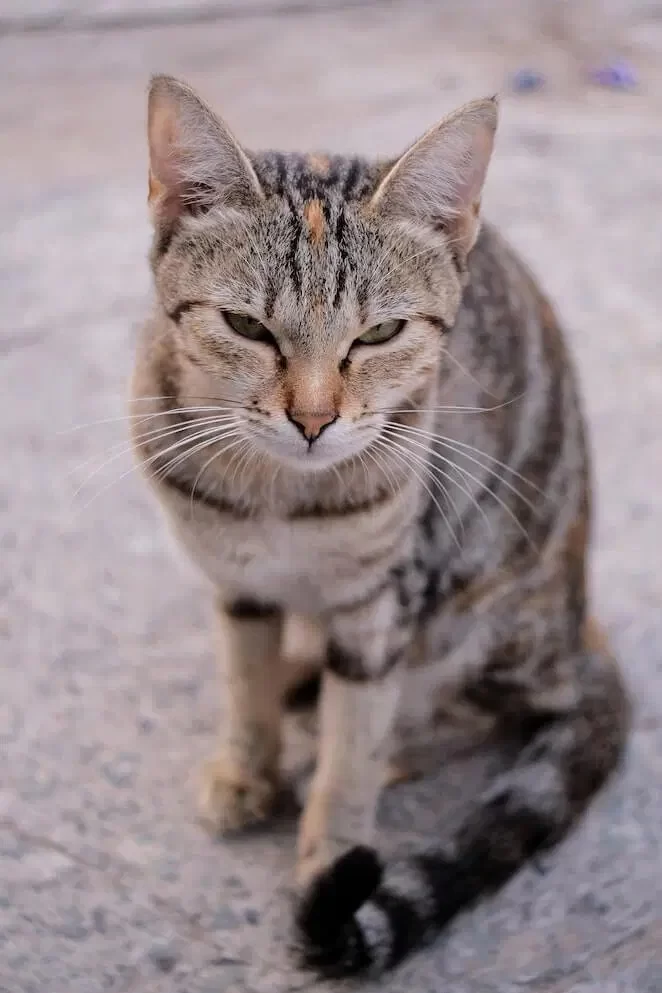
Seeing your cat shaking when approached by strangers can be a distressing experience for any pet owner. While some cats hide or run when nervous, others exhibit trembling or visible shaking as a stress response. This behavior is not uncommon, especially in cats that are naturally timid, were under-socialized as kittens, or have had negative experiences in the past.
Understanding why your cat reacts this way is the first step toward helping them. It’s not always a matter of poor temperament—it can be fear, a memory-triggered anxiety response, or something deeper related to health or past trauma.

2. Possible Medical and Physical Reasons Behind Shaking
While fear is a common cause of shaking, you should never immediately assume it’s just “nerves.” Cats may tremble for physical reasons, including:
Pain or Injury: If your cat feels discomfort, especially in joints or muscles, shaking can be a reflexive reaction to being touched.
Neurological Conditions: Some underlying issues like seizures or nerve disorders can cause tremors that worsen under stress.
Hypoglycemia: A sudden drop in blood sugar—more common in kittens or senior cats—can trigger trembling, especially when adrenaline is high.
Illness or Toxic Exposure: Cats may shake when experiencing internal distress, even if they appear otherwise calm.
It’s important to rule out these issues with a full veterinary assessment, especially if the shaking is new or inconsistent.
3. Psychological Fear and Trauma Response in Cats
More often than not, a cat that shakes when approached by strangers is experiencing some level of fear-based anxiety. This is especially true for:
- Rescue cats from unknown or abusive backgrounds - Cats that had poor early socialization (0-12 weeks old) - Cats with specific phobias—such as men with deep voices or hats
Take the case of Daisy, a domestic short-hair adopted from a hoarding situation. Every time a guest walked into the room, she’d freeze and tremble beneath the bed. Her fear response wasn’t aggression—it was a desperate attempt to make herself invisible.
Over time, with trust-building routines and expert behavioral help, Daisy began tolerating visits without shaking. But it took consistent work to desensitize her fear.
4. How to Help a Nervous Cat Deal With Strangers
Helping a cat that shakes around strangers is a process of gradual desensitization, patience, and safe boundaries. Here’s how to start:
Create a safe haven: Cats feel empowered when they can retreat. Ensure your pet has access to quiet spaces like hideaways, perches, or a designated safe room when guests visit.
Use scent and familiarity: Let guests offer treats or wear a blanket that smells like the household. Familiar scents can ease fear.
Practice controlled exposure: Start with calm guests who speak gently and don’t try to touch the cat. Repeated low-pressure exposure often reduces anxiety over time.
Positive reinforcement: Reward your cat when they display brave behaviors—like staying in the room without shaking or approaching a guest.
Always go at your cat’s pace. Never force interactions, as this can deepen their fear and prolong recovery.
5. When Professional Help Is Necessary
If your cat’s anxiety seems severe, persistent, or worsening over time, it may be time to consult a veterinarian or certified animal behaviorist. Cats with chronic anxiety often benefit from:
- Behavioral therapy programs - Anti-anxiety supplements or medication - Pheromone diffusers (like Feliway) - Structured enrichment plans
Keep in mind, trembling is your cat’s way of telling you they don’t feel safe. When we take those signals seriously, we have a better chance of building trust and emotional stability.
6. How Hidden Brook Veterinary Supports Behavioral Health
At Hidden Brook Veterinary, we don’t just treat illnesses—we address the full emotional and behavioral well-being of your pet. For cats that shake when approached by strangers, we offer comprehensive assessments to rule out physical causes, and provide customized behavioral plans built around the unique needs of your feline companion.
Our team works closely with cat owners to educate them on anxiety signals, train positive reinforcement routines, and—when necessary—incorporate safe treatments to ease psychological distress. Your cat’s comfort and trust are our top priorities.
If your cat trembles in fear when visitors arrive, we’re here to help rebuild confidence one calm moment at a time.