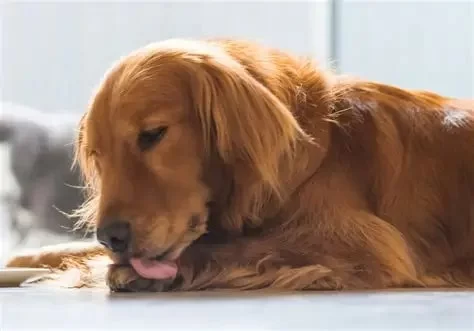
- dog-licking-paws-excessively-and-obsessively
- medical-triggers-and-health-concerns
- emotional-and-behavioral-drivers
- case-study-from-pet-owner-experience
- how-to-respond-effectively
1. Dog Licking Paws Excessively and Obsessively
If your dog is constantly licking its paws, it may seem like just another quirky behavior. But when the licking becomes excessive and obsessive, it can be a warning sign that something’s not quite right. Whether it's a physical ailment or emotional stress, this compulsive behavior deserves closer attention.
Many pet owners assume it’s just grooming, but chronic licking—especially when it leads to redness, bald patches, or even wounds—should never be ignored. Understanding the root cause is the first step in helping your dog find relief and preventing long-term damage.
125 Paterson Ave # 1, Little Falls Township, NJ 07424, USA
See Details2. Medical Triggers and Health Concerns
2.1 Allergies: The Most Common Culprit
Environmental allergies, such as pollen, grass, or dust mites, can cause severe irritation in a dog’s paws. Food allergies are also increasingly diagnosed in dogs with chronic paw licking. Chicken, beef, and dairy are among the common allergens. If licking intensifies seasonally or after meals, allergies are a strong suspect.
2.2 Fungal and Bacterial Infections
Dogs' paws are in constant contact with the ground, making them prone to infections. A yeast infection, for example, causes intense itching that prompts obsessive licking. You'll often notice a foul odor or a rust-colored stain on the fur due to the constant moisture.
2.3 Hidden Injuries or Foreign Objects
A small thorn, splinter, or cut can cause lingering discomfort. Dogs might lick the area in an attempt to soothe it. In some cases, the original injury may have healed, but the licking becomes a self-reinforcing habit. It’s important to examine your dog’s paws closely or consult a vet for imaging if the behavior persists.
3. Emotional and Behavioral Drivers
3.1 Anxiety and Stress-Related Behavior
Just like humans bite nails or pace under stress, dogs may lick their paws as a coping mechanism. Separation anxiety, boredom, or a sudden change in routine (like a new baby or moving homes) can trigger this behavior. The licking releases endorphins, giving temporary relief but reinforcing the habit.
3.2 Obsessive-Compulsive Disorder (OCD) in Dogs
In rare cases, excessive paw licking becomes a form of canine OCD. Certain breeds such as Dobermans, Golden Retrievers, and Border Collies are more prone to compulsive behavior. If your dog continues to lick even when nothing seems wrong medically or emotionally, it's time to explore this diagnosis.
3.3 Lack of Stimulation and Enrichment
Under-stimulated dogs often create their own entertainment—sometimes in the form of repetitive behaviors like licking. This is especially common in high-energy breeds that don’t get enough exercise or mental engagement. Ensuring regular walks, puzzle toys, or structured playtime can reduce the behavior dramatically.
4. Case Study from Pet Owner Experience
4.1 Bella’s Journey: A Story of Allergies and Recovery
When Sarah noticed her Labrador, Bella, licking her front paws non-stop, she initially thought it was just grooming. But weeks later, Bella’s fur was thinning, and the skin looked raw. After visiting Hidden Brook Veterinary, a food trial revealed a chicken allergy. Within weeks of switching to a hypoallergenic diet, the licking reduced drastically. Sarah reflects, “I wish I had acted sooner instead of assuming it was normal.”
4.2 Max’s Behavioral Battle
Max, a rescue Husky, had been licking his back paws so aggressively that they developed sores. The vet found no infection or allergy. Eventually, a behaviorist diagnosed separation anxiety. With a mix of desensitization training, calming chews, and a consistent routine, Max’s licking slowly subsided. This case underscores the emotional layers behind what seems like a physical issue.
5. How to Respond Effectively
5.1 Don’t Delay a Veterinary Assessment
The first step is always a thorough vet check to rule out infections, allergies, or injuries. Early intervention can prevent a temporary irritation from becoming a chronic issue. Clinics like Hidden Brook Veterinary specialize in both dermatological and behavioral assessments to give a comprehensive diagnosis.
5.2 Use Protective Measures and Enrichment
While the root cause is being diagnosed or treated, consider protective booties or e-collars to limit access to the paws. At the same time, redirect your dog’s energy with toys, interactive feeders, or scent games to reduce the focus on licking.
5.3 Follow Up with Long-Term Care
Once treatment begins, don’t just assume the issue is resolved. Dogs can easily fall back into licking habits. Regular checkups, environmental adjustments (like paw wipes after walks), and keeping a behavior journal can help track improvements and catch regressions early.
5.4 Partner with Trusted Professionals
If you're struggling to identify the cause or make progress, don't go it alone. Trusted providers like Hidden Brook Veterinary offer both diagnostic tools and practical care plans that go beyond surface-level solutions. They can help you uncover whether your dog’s licking is a health issue, a psychological need, or a complex combination of both.