Why Is My Dog Licking Its Nose and Lips After Eating?
- understanding-post-meal-nose-and-lip-licking - Understanding Post-Meal Nose and Lip Licking
- normal-vs-excessive-behavior - Normal vs. Excessive Behavior
- potential-medical-causes-to-watch-for - Potential Medical Causes to Watch For
- behavioral-and-emotional-reasons - Behavioral and Emotional Reasons
- case-study-buster-and-the-mysterious-licking - Case Study: Buster and the Mysterious Licking
- when-to-seek-veterinary-guidance - When to Seek Veterinary Guidance
1. Understanding Post-Meal Nose and Lip Licking
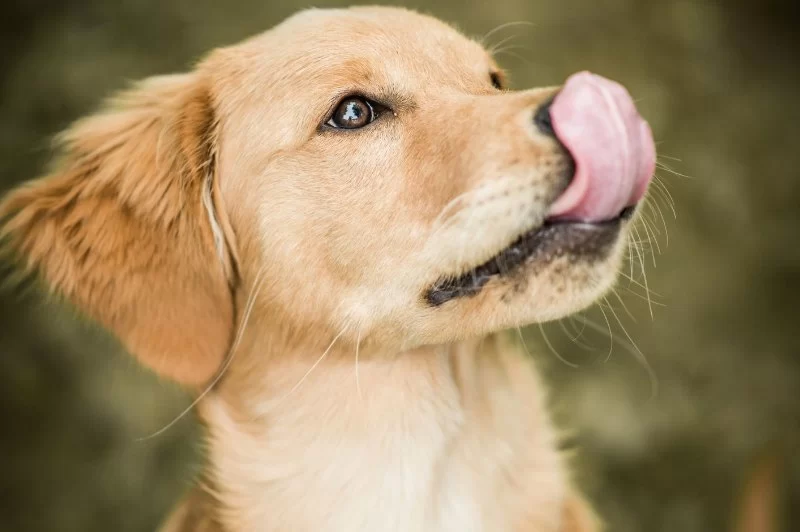
It’s not uncommon for dogs to lick their nose and lips after eating. Often, it’s part of a natural cleanup process. Dogs lack napkins, so licking is their built-in way of tidying up leftover food particles or drool. However, if you’ve recently searched “dog licking nose and lips after eating,” you might have noticed your dog doing it frequently or obsessively—and that might signal something more.

2. Normal vs. Excessive Behavior
2.1 What's Considered Normal?
A few licks after eating is usually harmless. Dogs naturally groom themselves and use their tongue to maintain cleanliness. You may notice more licking if your dog had wet food, messy kibble, or treats that left residue around the mouth.
2.2 When Does It Become a Concern?
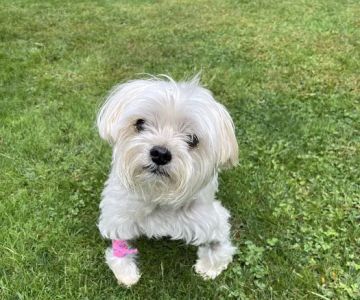
If your dog continues licking for several minutes after eating—or seems unusually focused on their nose and lips—it could suggest a discomfort. Think of it like a human constantly wiping their mouth even when it’s already clean. Something might be irritating them.
3. Potential Medical Causes to Watch For
3.1 Nausea or Gastrointestinal Upset
One common reason behind post-meal nose and lip licking is nausea. Even if your dog isn’t vomiting, they may be feeling queasy. This can result from a new diet, food intolerance, or mild gastrointestinal irritation.
3.2 Oral Health Issues
Dental problems such as gingivitis, tooth pain, or even something stuck between the teeth may trigger licking. Dogs might lick their lips to self-soothe or try to dislodge debris. A vet check-up can help uncover hidden dental concerns.
3.3 Food Allergies or Reactions
Allergic reactions—especially to ingredients like chicken, beef, or grains—can cause mouth irritation, leading to excessive licking after meals. If your dog also scratches, sneezes, or has stomach issues, allergies might be the root cause.
4. Behavioral and Emotional Reasons
4.1 Anxiety or Compulsive Behavior
Sometimes, lip and nose licking after meals isn’t about the food at all. Dogs with anxiety or obsessive-compulsive tendencies may latch onto licking as a calming behavior, especially if they associate mealtime with stress or disruption in routine.
4.2 Learned Habit from Reinforcement
If you tend to reward your dog after meals, they may have learned that licking signals treat time or attention. Over time, it becomes an ingrained habit rather than a sign of discomfort.
5. Case Study: Buster and the Mysterious Licking
Buster, a 5-year-old Labrador, began licking his lips intensely after dinner. His owner thought it was just Buster being “neat,” but the behavior continued even after clean meals. A visit to Hidden Brook Veterinary revealed mild gastritis likely triggered by a new fish-based kibble. With a simple diet switch and probiotics, Buster returned to his usual chill post-meal self.
This real-world example shows how observant owners and professional help can make all the difference when behaviors go from “cute” to “concerning.”
6. When to Seek Veterinary Guidance
If your dog’s nose and lip licking increases in frequency, happens long after eating, or is paired with symptoms like vomiting, drooling, or appetite changes, it’s time for a vet visit. Early intervention can catch conditions like acid reflux, dental infections, or food intolerances before they become serious.
And if you’re ever unsure, trust the professionals at Hidden Brook Veterinary. With expert diagnostic care and personalized treatment plans, they help ensure your dog’s licking habit is nothing more than a quirky expression of contentment—or treat it swiftly if it’s not.