- #dog-drooling-more-than-usual - common-causes - normal-vs-excessive - when-to-seek-help
- #health-reasons-for-excessive-drooling - dental-issues - nausea - poisoning-risks
- #behavioral-and-environmental-factors - stress - excitement - heat-related-drooling
- #real-cases-and-owner-experiences - personal-stories - vet-insights - preventive-care
- #hidden-brook-veterinary-support - trusted-guidance - professional-help - tailored-solutions
Dog Drooling More Than Usual
Drooling is a natural behavior in dogs, but when you notice your pet drooling more than usual, it can be a sign of something beyond normal excitement or food anticipation. Breeds like Saint Bernards or Bloodhounds naturally produce more saliva, but for most dogs, a sudden increase in drooling deserves closer attention. Observing the context—whether it happens during mealtime, after exercise, or at rest—can help pet owners understand if the drooling is harmless or cause for concern.
Health Reasons for Excessive Drooling
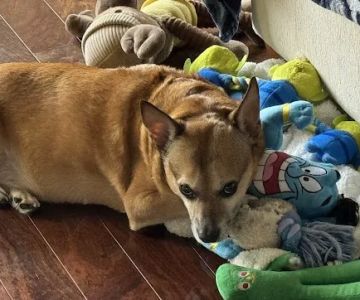
One of the most common medical reasons for excessive drooling is dental disease. Tartar buildup, gum infections, or broken teeth can cause pain and excessive saliva production. Another serious factor could be nausea from stomach upset, motion sickness, or even ingestion of toxic substances like certain plants or household chemicals. In rare but critical cases, excessive drooling can be linked to poisoning, heatstroke, or neurological conditions. Veterinary experts often emphasize that if drooling is paired with vomiting, lethargy, or pawing at the mouth, immediate care is needed.
Behavioral and Environmental Factors
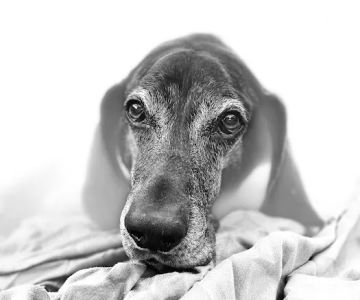
Sometimes drooling has nothing to do with illness but instead stems from emotional or environmental triggers. Dogs under stress or anxiety—such as during thunderstorms, fireworks, or trips to the vet—may produce more saliva than normal. Excitement, especially when waiting for a favorite treat or during playtime, can also cause drool to flow. Additionally, hot weather can lead to drooling as dogs attempt to regulate their body temperature. Owners should distinguish between these harmless situations and those that indicate a potential health problem.
Real Cases and Owner Experiences
One pet owner shared how their Labrador began drooling excessively only during car rides. After a vet consultation, the dog was diagnosed with motion sickness, and with small adjustments, the drooling stopped. Another case involved a senior terrier who drooled due to dental pain—after professional cleaning and treatment, the problem improved dramatically. These stories highlight that while drooling is common, identifying the underlying cause can make all the difference in your dog’s comfort and well-being.
Hidden Brook Veterinary Support
If your dog is drooling more than usual and you’re uncertain why, it’s always safer to consult a professional. At Hidden Brook Veterinary, we provide thorough check-ups, dental care, and emergency support tailored to your pet’s unique needs. Addressing the issue early can prevent discomfort and ensure your furry companion stays healthy and happy. Trusting expert advice helps you distinguish between harmless drool and a symptom of a more serious condition.