1. Hidden Brook Veterinary
  2. Pet Health & Care

Why Is My Cat Unable to Jump Onto Furniture? Causes and Solutions
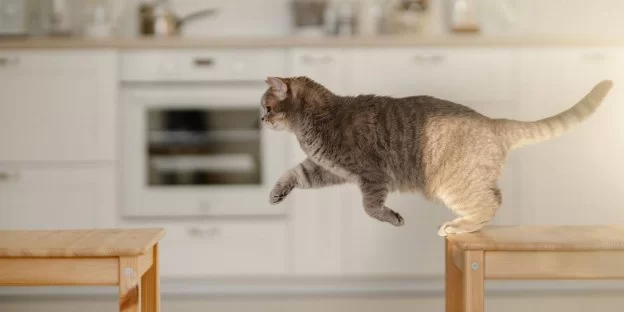
Why Is My Cat Unable to Jump Onto Furniture? Causes and Solutions

1. Why Is My Cat Unable to Jump onto Furniture?

It can be concerning when your cat is unable to jump onto furniture, something they may have done easily in the past. Cats are natural climbers and jumpers, so when this behavior changes, it can indicate an underlying issue. Several factors can contribute to a cat’s difficulty in jumping, ranging from physical health problems to environmental changes. Understanding the cause of your cat’s inability to jump is the first step in helping them regain their mobility and comfort.

2. Common Causes Why Cats Have Trouble Jumping

Several conditions could prevent your cat from jumping onto furniture. These issues may involve physical health concerns or lifestyle factors that limit their mobility. Below are some of the most common causes: 2.1. Joint or Arthritis Problems Just like humans, cats can develop arthritis, especially as they age. Joint pain or stiffness can make it difficult for your cat to jump or climb comfortably. You may notice your cat moving slower than usual or avoiding certain activities. In severe cases, arthritis can limit their ability to jump at all. 2.2. Muscle Weakness or Injury If your cat has had an injury, whether recent or old, it may affect their muscles or bones, making jumping difficult. Even a mild sprain or muscle strain can significantly reduce their jumping ability. If the injury is not treated properly, it could lead to long-term problems. 2.3. Overweight or Obesity Cats that are overweight may have difficulty jumping because of the extra strain on their muscles and joints. Carrying extra weight makes jumping or climbing a more strenuous activity. Overweight cats also face higher risks of developing arthritis, which can further contribute to mobility issues. 2.4. Age-Related Decline As cats age, they may naturally experience a decline in muscle mass and flexibility. Older cats may find it harder to jump onto furniture due to the normal wear and tear on their body. Even though older cats may still be capable of jumping, they may do so less frequently or with visible discomfort. 2.5. Environmental Factors Sometimes, the layout of your home or the height of your furniture can make jumping difficult for your cat. If the furniture is too high or there’s little traction for your cat to land on, they may avoid trying to jump altogether. This could be exacerbated if they feel insecure or uncomfortable about the jump.

3. How to Help Your Cat Overcome Jumping Problems

There are several ways you can help your cat overcome their difficulty with jumping. Whether the issue is temporary or long-term, there are solutions to improve their mobility and comfort: 3.1. Provide Stairs or Ramps For cats who have difficulty jumping due to arthritis or muscle weakness, providing a small ramp or stairs to help them reach higher surfaces can make a huge difference. Ramps can be placed next to the furniture or even by windowsills, allowing your cat to access their favorite spots without jumping. 3.2. Weight Management If your cat is overweight, helping them reach a healthy weight can significantly improve their ability to jump. Regular play and exercise, along with a balanced diet, can help your cat lose excess weight and strengthen the muscles needed for jumping. Be sure to consult with your vet to create a safe and effective weight management plan. 3.3. Joint Supplements For older cats or those with arthritis, joint supplements like glucosamine and chondroitin can be beneficial. These supplements help support joint health and may reduce the pain associated with arthritis. Always consult with your veterinarian before introducing any new supplements to your cat's diet. 3.4. Regular Vet Checkups Regular checkups are crucial to ensure that your cat’s jumping difficulties are not caused by an underlying health condition. Your vet can diagnose any joint problems, injuries, or illnesses that might be contributing to your cat's trouble with jumping. Timely treatment can help prevent further complications.

4. When to Seek Veterinary Help for Your Cat

If your cat is unable to jump onto furniture, and you suspect it’s due to a health issue, it’s important to seek veterinary help. This is especially necessary if you notice the following: 4.1. Sudden Onset of Symptoms If your cat suddenly becomes unable to jump, this could indicate an injury or illness that needs immediate attention. Prompt treatment can help prevent the condition from worsening. 4.2. Persistent Pain or Limping If your cat is showing signs of pain, such as limping, reluctance to move, or vocalizing when touched, it’s essential to consult your vet. Painful conditions like arthritis, muscle strains, or even fractures may require medical intervention. 4.3. Age-Related Health Issues If your cat is elderly and experiencing difficulty jumping, it’s important to have them evaluated for age-related conditions, such as arthritis or degenerative diseases. Your vet can provide management strategies to keep your cat comfortable in their later years.

5. How Hidden Brook Veterinary Can Help Your Cat

At Hidden Brook Veterinary, we understand how distressing it can be when your cat is unable to jump onto furniture. Our experienced veterinarians can help diagnose the underlying cause of your cat’s mobility issues and offer solutions tailored to their needs. Whether your cat needs pain management, weight loss support, or specialized supplements, we are here to provide the care your pet deserves. If you notice any changes in your cat’s behavior, such as an inability to jump or difficulty moving, don't hesitate to contact us. Our team is ready to assist you in improving your cat’s health and quality of life, ensuring that they stay active, happy, and comfortable.