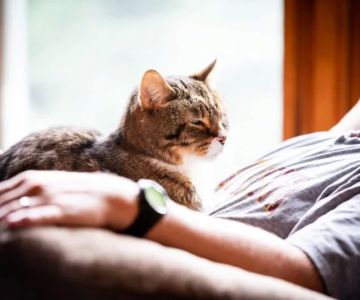
Why Is My Cat Sleeping a Lot But Not Engaging? Understanding the Causes
- Why is My Cat Sleeping a Lot?
- Lack of Engagement in Cats: What It Means
- Common Reasons Cats Sleep a Lot But Don’t Engage
- When to Visit the Vet
As cat owners, it’s common to see our feline companions sleeping for extended periods. Cats are known for sleeping up to 16 hours a day, and it’s part of their natural behavior. However, if you notice that your cat is sleeping excessively and not engaging with you or its surroundings, you might start wondering if something is wrong. While some lethargy can be normal, there could be underlying reasons why your cat is both sleeping a lot and not showing interest in playtime or interaction. This article will explore potential causes, the signs to look out for, and what you can do to help your cat feel more energetic and engaged.
1. Why is My Cat Sleeping a Lot?
Cats are naturally crepuscular animals, which means they are most active during dawn and dusk. They tend to sleep a lot during the day and night, conserving energy for hunting or playing in their natural environments. However, excessive sleeping or a noticeable change in sleep patterns could be a sign of something more concerning.
1.1. Normal Sleep Patterns
It’s important to understand what constitutes “normal” sleep for a cat. On average, cats can sleep anywhere from 12 to 16 hours a day, depending on their age, health, and lifestyle. Kittens and older cats tend to sleep even more, as they require extra rest for growth and recovery. If your cat has been sleeping a little more than usual but is still eating, drinking, and engaging with you at certain points, it may just be part of their natural sleep cycle.
1.2. Changes in Sleep Behavior
If your cat is sleeping much more than usual and showing little interest in its usual activities, like playing or interacting with you, it might be worth looking into potential underlying causes. Behavioral changes like excessive sleeping or lethargy can be a sign of stress, discomfort, or health issues that require attention.
Now, let’s dive deeper into the issue of a cat sleeping a lot but not engaging. If your cat isn’t showing interest in interacting with you or its environment, it could indicate an underlying concern.
2. Lack of Engagement in Cats: What It Means
When a cat is sleeping a lot but not engaging with its owners, it could signal something more than just laziness. Cats are generally independent animals, but they still need stimulation, mental engagement, and physical exercise to stay happy and healthy. A lack of engagement could be a sign of several factors ranging from behavioral issues to medical conditions.
2.1. Decreased Interest in Play
If your cat isn’t responding to toys, not seeking attention, or simply lying around instead of playing or exploring, it might be time to evaluate the situation more closely. While older cats might naturally have less energy, a sudden change in behavior can be concerning, especially if your cat usually enjoys playtime.
2.2. Withdrawal and Isolation
Cats that are unwell or stressed often withdraw from social interactions. If your cat seems particularly withdrawn or hides more than usual, this could be a sign of discomfort or distress. A cat that sleeps excessively but avoids interaction might be trying to avoid movement due to pain or discomfort.
Understanding the potential causes behind a cat’s behavior can help you identify the issue. Let’s explore some common reasons for excessive sleeping and lack of engagement in cats.
3. Common Reasons Cats Sleep a Lot But Don’t Engage
There are several reasons why your cat might be sleeping more than usual and not engaging with you or its environment. Some of these causes are temporary, while others may require medical attention. Here are the most common reasons:
3.1. Health Issues
Health problems are one of the most common causes of lethargy in cats. If your cat is sleeping excessively, not engaging, and showing signs of discomfort or changes in appetite, it’s important to consider possible health concerns. Some of the most common health issues that can cause lethargy in cats include:
- Infections (viral, bacterial, or fungal)
- Dental disease
- Arthritis or joint pain
- Hyperthyroidism
- Kidney disease
- Parasites (e.g., worms)
3.2. Stress or Anxiety
Just like humans, cats can experience stress and anxiety. Changes in the home environment, such as a new pet, a move, or loud noises, can make your cat feel unsettled. Cats may react to stress by sleeping more and withdrawing from activities they normally enjoy. If you suspect stress is the cause, try to create a calm and predictable environment to help your cat feel safe and secure.
3.3. Depression
While depression in pets is not as widely discussed, it is a real concern. Cats can experience depression due to significant changes in their lives, such as the loss of a companion or major lifestyle changes. Depression in cats often presents as lethargy, lack of interest in socializing, and a reduced appetite. If you believe your cat might be suffering from depression, it’s important to address the emotional needs of your pet and consult with a vet if necessary.
3.4. Aging
As cats age, they naturally slow down. Older cats tend to sleep more and may not be as engaged in activities as they once were. Arthritis and other age-related conditions can make movement painful, leading to more rest and less interaction. If your cat is older, consider scheduling a vet check-up to ensure there are no underlying health issues contributing to the lethargy.
If your cat’s behavior changes suddenly or if they’re showing signs of pain, it’s essential to seek veterinary advice. A visit to the vet can help rule out serious health problems and provide the necessary treatments to get your cat back to their active, playful self.
4. When to Visit the Vet
If your cat’s sleeping habits are accompanied by other concerning symptoms, such as loss of appetite, vomiting, diarrhea, or noticeable weight loss, it’s time to consult your veterinarian. A vet can perform tests and evaluations to determine if there’s an underlying medical condition causing the lethargy and lack of engagement.
4.1. Signs That Your Cat Needs Veterinary Attention
Here are a few warning signs that may indicate a more serious problem:
- Excessive sleeping or inactivity beyond the usual amount
- Loss of appetite or refusal to eat
- Changes in bathroom habits (diarrhea, constipation, or blood in the stool)
- Vomiting or dehydration
- Behavioral changes, such as hiding or aggression
If you notice any of these signs, don’t hesitate to reach out to your vet. Timely intervention can help prevent serious health issues and improve your cat’s quality of life.
If you need professional advice or products to help manage your cat’s health, visit Hidden Brook Veterinary for expert recommendations and support.