- Understanding-Normal-vs-Excessive-Cat-Sleeping
- Behavioral-Shifts-and-What-They-May-Mean
- Medical-Conditions-Linked-to-Inactivity
- Real-Pet-Owner-Experiences-and-Insights
- What-to-Do-if-Your-Cat-Is-Not-Engaging
- When-to-Contact-a-Veterinarian-for-Help
1. Understanding Normal vs. Excessive Cat Sleeping
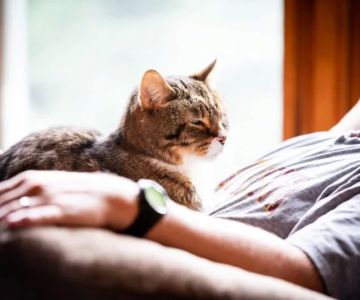
Cats are notorious sleepers, often logging 12 to 16 hours a day. It's biologically normal—cats are crepuscular, meaning they’re most active during dawn and dusk. However, when sleep stretches beyond 18 hours, or your once-curious feline no longer shows interest in play, food, or affection, it could signal something more serious.
This behavior often confuses cat parents, especially if their furry companion was once lively and social. Understanding what’s behind this shift is essential to ensuring your cat’s well-being.
2. Behavioral Shifts and What They May Mean
2.1 Social Withdrawal
If your cat used to greet you at the door or play with toys and suddenly loses interest, this could be a behavioral red flag. Cats sometimes withdraw socially when they’re in pain or emotionally distressed. Watch for signs like hiding in unusual spots, avoiding eye contact, or sleeping away from favorite areas.
2.2 Loss of Appetite and Grooming Habits
A decrease in eating or grooming is often linked with health issues or depression. Cats are creatures of habit, and skipping meals or neglecting their coat suggests deeper discomfort. A lack of engagement combined with excessive sleep and poor grooming might mean your cat is struggling with physical or emotional malaise.
3. Medical Conditions Linked to Inactivity
3.1 Feline Depression
Yes, cats can suffer from depression. Big life changes like the loss of a companion, moving to a new environment, or even a change in your work schedule can cause your cat to retreat emotionally. Symptoms often mirror those in humans—sleeping more, hiding, and lack of interest in toys or interaction.
3.2 Arthritis or Pain-Related Illnesses
Senior cats especially may suffer from arthritis or joint pain that makes movement less appealing. They may avoid climbing furniture, playing, or even using the litter box. These physical discomforts often drive cats to sleep longer and avoid engagement.
3.3 Thyroid or Kidney Issues
Older cats are particularly susceptible to hyperthyroidism or kidney disease—both of which can cause lethargy. Blood work is typically required to confirm these conditions, but early signs may be behavioral changes such as long sleep spells, disinterest in food, or reduced interaction.
4. Real Pet Owner Experiences and Insights
Laura from Denver noticed her usually spunky Bengal, Luna, was sleeping 20 hours a day and ignoring her favorite laser toy. Thinking it was just age catching up, Laura initially dismissed it. But after visiting a vet, Luna was diagnosed with early-stage kidney issues—caught in time thanks to attention to behavior change.
Similarly, Ben in Boston adopted a rescue cat who slept excessively and barely interacted. It turned out the cat had experienced trauma and needed time, space, and enrichment to regain confidence. Within a few months, the cat was not only playing but even initiating cuddles.
5. What to Do if Your Cat Is Not Engaging
5.1 Monitor Their Patterns
Track how long your cat sleeps, how much it eats, how often it grooms, and whether it still reacts to stimuli like sound or toys. Subtle changes may indicate more than just laziness. Keep a log for a week to help identify trends.
5.2 Create a Stimulating Environment
Enrich your cat’s day with interactive toys, window perches, and scheduled playtime. If your cat shows mild engagement, these strategies can coax them back into regular activity. Puzzle feeders and rotating toys can also spark curiosity.
5.3 Consider Their Emotional Needs
Just like people, cats can get lonely or bored. If you’ve recently changed your schedule or the household dynamic, try offering extra cuddles or speaking to your cat more frequently. Calming diffusers or pheromone sprays may help ease anxiety.
6. When to Contact a Veterinarian for Help
If your cat continues to sleep excessively, refuses to eat, or shows other worrying signs like vomiting, diarrhea, or disorientation, contact a veterinarian immediately. Even if symptoms seem minor, cats are excellent at hiding pain—and early intervention can prevent worsening conditions.
For trusted help and compassionate care, we recommend visiting Hidden Brook Veterinary. Their expert team can assess your cat’s behavior, run necessary diagnostics, and offer tailored solutions to restore your cat’s vitality and happiness.