- understanding-the-symptoms-cat-shaking-and-panting - Understanding the Symptoms: Cat Shaking and Panting
- possible-causes-of-shaking-and-panting-in-cats - Possible Causes of Shaking and Panting in Cats
- when-to-consider-it-an-emergency - When to Consider It an Emergency
- how-vets-diagnose-and-treat-these-symptoms - How Vets Diagnose and Treat These Symptoms
- real-pet-parent-stories-what-you-can-learn - Real Pet Parent Stories: What You Can Learn
- how-to-prevent-future-episodes - How to Prevent Future Episodes
1. Understanding the Symptoms: Cat Shaking and Panting
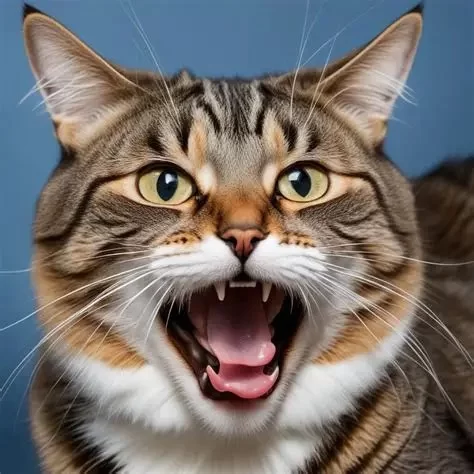
If you've ever found yourself frantically Googling "why is my cat shaking and panting," you're not alone. These symptoms can be alarming, especially if they happen suddenly or seem out of character for your feline friend. While occasional panting can be normal after vigorous play or stress, persistent panting paired with trembling is often a red flag that something more serious is going on.
2. Possible Causes of Shaking and Panting in Cats
2.1 Heatstroke or Overheating
Unlike dogs, cats don't normally pant to cool down. If your indoor cat is panting and trembling on a hot day, it could be a sign of heat exhaustion or heatstroke. This condition can escalate quickly and requires urgent attention.
2.2 Stress or Fear Response
Cats can exhibit shaking and panting when extremely frightened or stressed. Vet visits, car rides, fireworks, or even a new pet at home can trigger such episodes. These are generally short-lived but should still be monitored.
2.3 Respiratory or Cardiac Issues
If your cat has trouble breathing or displays heavy panting and muscle tremors, underlying heart disease or respiratory infection could be to blame. These conditions often present with lethargy, reduced appetite, or coughing as well.
2.4 Toxicity or Poisoning
Ingesting toxic plants, human medications, or chemicals can lead to tremors, panting, and even seizures. If you suspect poisoning, seek veterinary help immediately.
3. When to Consider It an Emergency
Any unexplained episode of shaking and panting should be taken seriously, especially if it's accompanied by drooling, vomiting, confusion, pale gums, or loss of consciousness. Time is critical in emergencies. Contact your local vet or emergency animal hospital right away.
At Hidden Brook Veterinary, we've seen many cases where prompt intervention saved lives. If you're unsure, it’s always better to make the call.
4. How Vets Diagnose and Treat These Symptoms
4.1 Physical Examination and History
Your vet will begin by gathering information about recent changes in behavior, environment, diet, and any known exposures. A thorough physical exam is done to assess breathing, heart function, and neurological health.
4.2 Diagnostic Testing
Bloodwork, X-rays, ECGs, or ultrasound may be recommended to evaluate internal organs and rule out life-threatening conditions like heart failure, anemia, or infections.
4.3 Treatment Plans
Depending on the root cause, treatment can range from rehydration and calming medications to oxygen therapy or hospitalization. The key is early and accurate diagnosis.
5. Real Pet Parent Stories: What You Can Learn
Sarah, a cat owner in Michigan, noticed her 7-year-old Maine Coon trembling and panting after playing in the sunroom. Thinking it was just the heat, she initially waited. When it didn't stop, she brought him to Hidden Brook Veterinary—turns out, her cat had mild heatstroke. Quick fluids and cool-down measures reversed the damage.
Another case involved a kitten named Leo who began shaking after chewing on a houseplant. His owner rushed him to the vet, and the diagnosis was lily toxicity. Thanks to early treatment, Leo made a full recovery.
6. How to Prevent Future Episodes
6.1 Maintain a Safe Environment
Keep your home at a comfortable temperature, especially in summer months. Ensure your cat has shaded areas and fresh water at all times.
6.2 Monitor Behavior Regularly
Know your cat's normal habits and energy levels. Subtle changes may indicate something’s wrong before symptoms worsen.
6.3 Routine Veterinary Check-Ups
Prevention is always better than cure. Annual or biannual wellness checks with trusted professionals like those at Hidden Brook Veterinary can help detect issues early and keep your cat in optimal health.