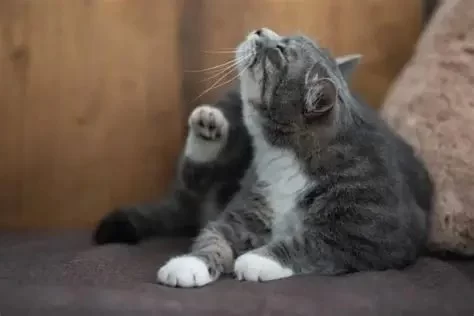
- 1 - Understanding Why a Cat Scratches Its Head More Than Usual
- 2 - Common Causes Behind Excessive Head Scratching in Cats
- 3 - How Allergies and Sensitivities Affect Your Cat
- 4 - The Role of Ear Mites and Other Parasites
- 5 - Skin Infections and Irritations That Lead to Scratching
- 6 - Real-Life Cases of Cats Scratching More Than Usual
- 7 - When to Seek Help from Hidden Brook Veterinary
1. Understanding Why a Cat Scratches Its Head More Than Usual
Cats are naturally inclined to groom and scratch, but when your cat is scratching its head more than usual, it may be signaling an underlying health issue. Occasional scratching is normal, but constant rubbing or clawing at the head can indicate discomfort, pain, or irritation. Recognizing this behavior early is key to preventing more serious problems. By observing changes in frequency, intensity, and whether other symptoms like redness or scabs appear, pet owners can better understand what their cat is experiencing.

2. Common Causes Behind Excessive Head Scratching in Cats
There are multiple reasons why cats suddenly begin scratching their heads more often. Environmental factors such as dust, pollen, or household cleaners can irritate sensitive feline skin. Food allergies may also trigger itchiness, while more direct issues like fleas or mites often create obvious discomfort. Even stress can sometimes manifest through excessive scratching. Identifying the root cause helps ensure your cat receives the right treatment rather than relying on temporary fixes.

3. How Allergies and Sensitivities Affect Your Cat
One of the most overlooked causes of a cat scratching its head more than usual is allergies. Cats can be allergic to certain foods, fabrics, or even human perfumes. For example, one pet owner noticed her cat scratching relentlessly after switching to a new laundry detergent. When she returned to her old product, the scratching stopped. This highlights how environmental sensitivities can directly impact feline comfort. If allergies are suspected, keeping a record of recent changes in diet, products, or surroundings can help pinpoint the culprit quickly.
4. The Role of Ear Mites and Other Parasites
Ear mites are one of the most common culprits when cats scratch their heads excessively. These microscopic parasites cause irritation inside the ear canal, leading to constant itching and head shaking. In severe cases, cats may even injure themselves while trying to find relief. Fleas and ticks can also migrate toward the head area, creating similar discomfort. Regular preventive care and prompt treatment are essential in keeping these pests under control and protecting your cat’s health.
5. Skin Infections and Irritations That Lead to Scratching
Sometimes, the reason behind a cat scratching its head more than usual lies in bacterial or fungal infections. These conditions often cause redness, swelling, and a foul odor in affected areas. For example, ringworm—a fungal infection—can cause circular patches of hair loss and intense itching around the head. Left untreated, infections can worsen and spread, not only harming the cat but potentially affecting other pets or even humans in the household. Early veterinary attention ensures quick diagnosis and proper treatment.
6. Real-Life Cases of Cats Scratching More Than Usual
Many cat owners have shared stories about their pets suddenly developing scratching habits that seemed harmless but turned out to be medical concerns. One owner recalled how her cat’s constant scratching revealed a deep ear infection that needed antibiotics. Another family discovered their cat had a food allergy after months of unexplained itching. These examples emphasize the importance of not dismissing changes in scratching behavior as “just a habit.” Paying attention can make the difference between a minor fix and a major health problem.
7. When to Seek Help from Hidden Brook Veterinary
If your cat is scratching its head more than usual and home adjustments haven’t helped, it may be time to consult professionals. At Hidden Brook Veterinary, experts can provide thorough examinations, allergy testing, and tailored treatment plans to address the root of the problem. Seeking veterinary guidance not only helps solve the immediate scratching issue but also ensures long-term health and comfort for your cat. Regular checkups and preventive care can save your cat from unnecessary discomfort and give you peace of mind as a responsible pet owner.