- why-your-cat-is-scratching-head-and-ears-regularly
- common-medical-causes-behind-persistent-scratching
- behavioral-or-environmental-triggers-to-consider
- when-should-you-see-a-veterinarian
- real-case-zoe-s-itchy-ears-and-hidden-diagnosis
- get-tailored-care-from-hidden-brook-veterinary
Why Your Cat Is Scratching Head and Ears Regularly
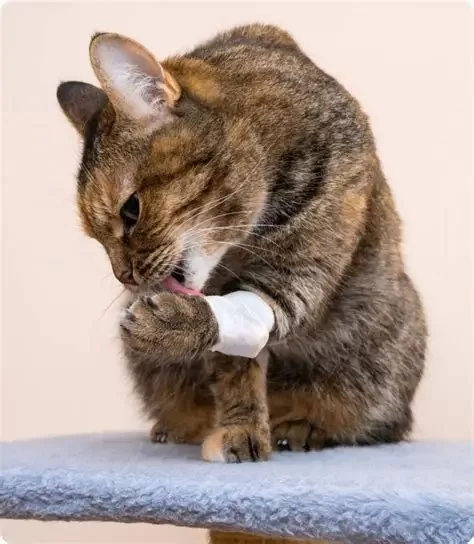
It’s normal for cats to give themselves the occasional scratch. But if your cat is scratching its head and ears regularly, that’s more than just grooming—it could be a sign that something’s wrong. Persistent scratching, especially when paired with head shaking, hair loss, or skin irritation, may point to a medical or behavioral issue that needs attention.

Common Medical Causes Behind Persistent Scratching
1. Ear Mites: Tiny Parasites, Big Problems
Ear mites are one of the most common culprits behind intense ear scratching in cats, especially kittens or shelter adoptees. These microscopic pests cause severe itching and inflammation, and the inside of the ear often appears dirty or filled with crumbly dark debris. Without treatment, the discomfort can lead to infections or even hematomas from excessive scratching.
2. Yeast or Bacterial Infections
A cat’s ear canal is the perfect warm, dark environment for yeast and bacteria to thrive—especially if moisture or wax builds up. Infections like these can cause redness, a foul smell, or even yellowish discharge. Your cat may paw repeatedly at the same spot or become sensitive to touch.
3. Allergies and Dermatitis
Allergies—whether caused by food, dust, or pollen—can result in skin inflammation around the ears and face. Flea allergy dermatitis is another common trigger, where even a single flea bite can cause widespread itching. In some cases, cats may scratch themselves raw trying to relieve the irritation.
4. Foreign Bodies and Insect Bites
Occasionally, something as simple as a blade of grass, a small bug, or a stinger lodged in or near the ear canal can drive your cat into a scratching frenzy. These incidents are difficult to detect without a veterinary exam, especially if the object is lodged deep within the ear.
Behavioral or Environmental Triggers to Consider
5. Anxiety or Over-Grooming Behaviors
Cats are creatures of habit. Changes in their environment—such as a new pet, moving houses, or loud noises—can trigger anxiety-related scratching or excessive grooming. In these cases, there’s no visible skin condition, but the scratching becomes compulsive and repetitive.
6. Poor Grooming Habits or Dirty Ears
Some cats, especially those with flat faces or long hair, are prone to wax buildup or ear blockage. This can result in general discomfort and scratching, even without infection. Regular cleaning with a vet-approved solution can help, but always check with a professional before attempting it at home.
When Should You See a Veterinarian?
Occasional scratching isn’t a concern. But if your cat is scratching multiple times a day, cries out while scratching, or shows any of the following signs, it's time to consult a vet:
- Red, swollen, or warm ears
- Unpleasant odor from the ears
- Head tilting or balance issues
- Visible wounds, scabs, or hair loss
- Persistent discharge or wax buildup
Ignoring these signs can lead to worsening infections or more serious conditions. And remember—some problems are easy to treat if caught early.
Real Case: Zoe’s Itchy Ears and Hidden Diagnosis
Zoe, a three-year-old tabby, began scratching the side of her head every evening. Her owner, Mark, assumed it was seasonal allergies, but when the scratching continued for over a week and Zoe began to avoid being touched, he took her to Hidden Brook Veterinary. The team quickly identified a yeast infection deep in her ear canal—something invisible from the outside. With gentle ear cleaning, antifungal medication, and a follow-up plan, Zoe was back to her playful self within days.
“I had no idea something so small could make her so uncomfortable,” Mark said. “It was a relief to get real answers and quick help.”
Get Tailored Care from Hidden Brook Veterinary
If your cat is scratching its head and ears regularly, don’t guess—get a proper diagnosis. At Hidden Brook Veterinary, our experienced team uses advanced diagnostics and compassionate care to treat underlying causes efficiently and comfortably. Whether it's ear mites, allergies, or an infection, we’ll tailor a treatment plan that works for both you and your feline friend.