- cat-scratching-at-ears-and-neck-regularly
- common-reasons-behind-this-behavior
- medical-conditions-to-consider
- behavioral-and-environmental-factors
- real-case-from-a-veterinary-visit
- home-checklist-before-seeing-a-vet
- how-hidden-brook-veterinary-can-help
1. Cat Scratching at Ears and Neck Regularly: What’s Going On?
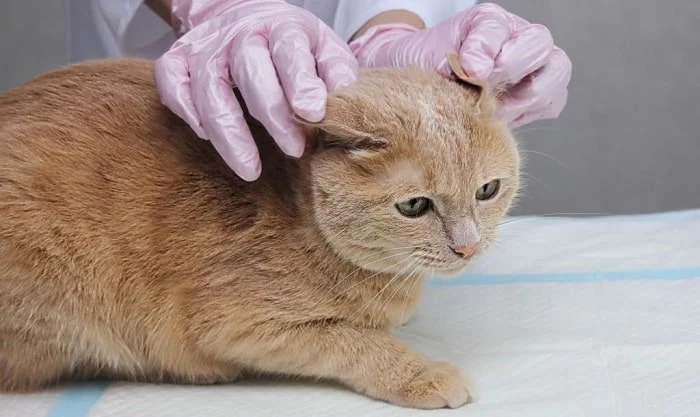
When your cat starts scratching at their ears and neck frequently, it’s more than just grooming. Repetitive scratching in these areas can be a sign of irritation, allergies, or underlying medical conditions. Recognizing the difference between normal behavior and a potential health issue is crucial for early treatment.

2. Common Reasons Behind This Behavior
There are a variety of reasons why your cat might be obsessively scratching its ears and neck. The key is to observe how often the scratching occurs and whether there are any other symptoms such as hair loss, redness, or scabbing.

2.1 Fleas and Parasites
The most common cause is fleas. Even indoor cats can become infested. Flea saliva causes intense itching, particularly around the neck and base of the ears. Mites and lice can also cause similar irritation.
2.2 Allergic Reactions
Food allergies, seasonal pollen, or even certain fabrics can cause a hypersensitive response in cats. Scratching at the ears and neck is one of the first signs, often followed by red patches or bumps.
2.3 Foreign Objects or Irritants
Seeds, grass blades, or even dust can make their way into a cat’s ears or collar area, causing discomfort. This is especially common in outdoor or curious cats that explore tight spaces.
3. Medical Conditions to Consider
If the behavior persists beyond a day or two, a medical issue may be to blame. These conditions typically require professional treatment and can worsen quickly without it.
3.1 Ear Infections (Otitis Externa)
Bacterial or yeast infections inside the ear canal can cause severe itching. Symptoms may include shaking the head, bad odor, dark wax, or discharge. Scratching is often an early sign before visible symptoms appear.
3.2 Dermatitis or Skin Conditions
Cats can suffer from fungal infections like ringworm or autoimmune skin diseases such as eosinophilic granuloma complex. These can present as crusty or inflamed skin, primarily around the ears and neck.
3.3 Thyroid or Hormonal Disorders
Hyperthyroidism can sometimes trigger itchiness or behavioral changes that result in obsessive scratching. Though rarer, it’s important to test for endocrine imbalances in older cats.
4. Behavioral and Environmental Factors
Sometimes scratching isn’t due to a medical problem at all. Instead, it can be caused by stress or environmental triggers that manifest physically.
4.1 Stress or Anxiety
Changes in routine, introduction of a new pet, or even loud noises can make cats nervous. They may scratch at themselves as a form of coping, which can lead to secondary skin damage.
4.2 Over-grooming as a Habit
Some cats develop obsessive habits, especially in response to boredom or overstimulation. This can lead to excessive grooming and scratching behaviors that mimic medical conditions.
5. Real Case from a Veterinary Visit
At Hidden Brook Veterinary, a client brought in a calico named Tilly who had started scratching her ears and neck incessantly. Her owner assumed it was fleas, but after a detailed skin and ear exam, it turned out to be a yeast infection deep in the ear canal. Tilly was treated with medicated drops and a short course of anti-fungal medication. Within a week, her symptoms drastically improved.
5.1 The Takeaway from Tilly’s Case
What seemed like typical flea irritation was actually a deeper ear infection. Her case highlights why professional diagnosis is critical—especially when at-home flea treatments don’t resolve the issue.
6. Home Checklist Before Seeing a Vet
If you're preparing for a vet visit, here’s a helpful checklist to ensure a more accurate diagnosis:
6.1 Observe and Record Behavior
Take note of when your cat scratches the most. Morning? After eating? Following time outdoors? This context is valuable.
6.2 Look for Physical Clues
Check for red skin, swelling, or signs of discharge around the ears and neck. These symptoms often tell more than the scratching itself.
6.3 Eliminate Obvious Triggers
Try switching to a hypoallergenic detergent or removing scented sprays in areas where your cat spends time. If scratching improves, the cause might be environmental.
7. How Hidden Brook Veterinary Can Help
Whether the cause is medical or behavioral, the team at Hidden Brook Veterinary is equipped to provide accurate diagnostics and compassionate care. Their expertise in feline dermatology and internal medicine ensures your cat gets the treatment they need without unnecessary delay. They also offer follow-up consultations and preventive guidance to avoid recurrence of scratching-related issues.