- 1 - Understanding Why Cats Paw at Their Mouth
- 2 - Dental and Oral Health Problems
- 3 - Foreign Objects and Irritations
- 4 - Allergies, Skin Conditions, and Related Issues
- 5 - Behavioral and Stress-Related Factors
- 6 - Real-Life Stories from Cat Owners
- 7 - When to Seek Veterinary Help
Understanding Why Cats Paw at Their Mouth
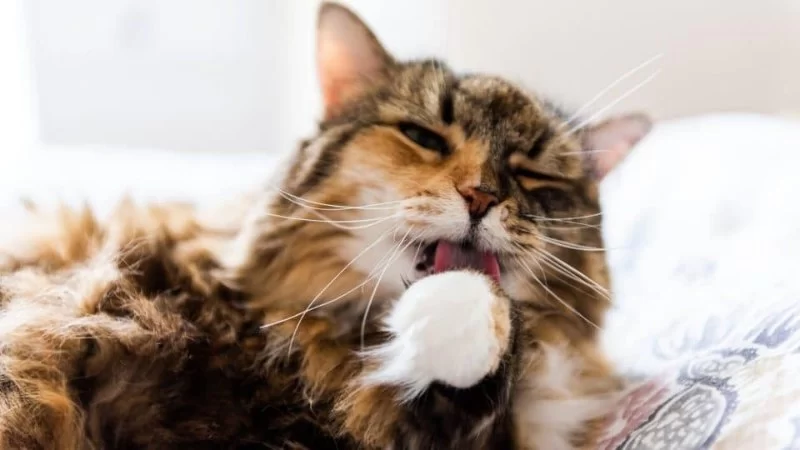
If you’ve noticed your cat pawing at mouth constantly, it can be concerning. This behavior is usually a signal that something is wrong, often related to pain, discomfort, or irritation. Cats are masters at hiding pain, so when they show repeated behaviors like this, it is usually worth a closer look. Understanding the possible causes helps owners take action before the issue becomes more serious.

Dental and Oral Health Problems
One of the most common reasons for a cat pawing at its mouth is dental trouble. Issues such as gingivitis, tooth resorption, or abscesses can cause significant discomfort. Cats may try to alleviate the pain by pawing or scratching at their mouth. In some cases, you may notice additional signs such as drooling, bad breath, or difficulty eating. Regular dental check-ups at trusted clinics like Hidden Brook Veterinary can help prevent these issues and ensure early treatment if problems arise.

Foreign Objects and Irritations
Sometimes, the cause is as simple as something stuck in your cat’s mouth. Pieces of food, grass, or even small objects can become lodged between teeth or along the gum line. Cats may paw at their mouth in an attempt to dislodge the object. Owners often discover that after the foreign item is removed, the behavior stops immediately. However, persistent pawing should not be ignored, as it may indicate deeper irritation or injury.
Allergies, Skin Conditions, and Related Issues
Allergies are another potential cause for a cat pawing at mouth constantly. Food allergies, environmental triggers such as pollen, or even insect bites around the mouth can create discomfort. Cats may also develop skin conditions that make the area around the mouth itchy or painful. Identifying allergens through observation or veterinary testing is crucial in addressing these problems. A tailored treatment plan from professionals like those at Hidden Brook Veterinary can make a big difference in managing chronic allergies.
Behavioral and Stress-Related Factors
Not all pawing behaviors are physical in origin. Stress and anxiety can sometimes lead to repetitive actions, including pawing at the face or mouth. Cats experiencing changes in their environment, such as moving to a new home or the arrival of another pet, may display such behaviors. While less common than dental or medical causes, behavioral factors should be considered, especially if no physical problems are detected.
Real-Life Stories from Cat Owners
Consider the case of a cat named Luna, who began pawing at her mouth after every meal. Her owner initially assumed it was just quirky behavior, but after a veterinary check-up, it was discovered that Luna had a cracked tooth causing her significant pain. Once treated, the pawing behavior stopped completely. On the other hand, another cat named Oliver exhibited the same behavior but was found to have seasonal allergies. A change in diet and medication brought him relief. These real-life examples highlight the importance of seeking veterinary guidance.
When to Seek Veterinary Help
If your cat is pawing at its mouth constantly, especially if it is paired with signs like drooling, bleeding, or loss of appetite, it’s time to consult a professional. Early intervention can prevent small issues from developing into serious health conditions. Veterinary services, such as those offered at Hidden Brook Veterinary, provide comprehensive oral examinations, diagnostic tests, and treatment options tailored to your cat’s needs. Taking prompt action ensures your feline friend stays healthy and comfortable.