- Recognizing-the-Problem
- Potential-Causes-of-Cat-Limping
- Home-Assessment-and-Initial-Care
- When-to-See-a-Vet
- Real-Life-Case-of-Injury
- Helping-Your-Cat-Recover
1. Recognizing the Problem
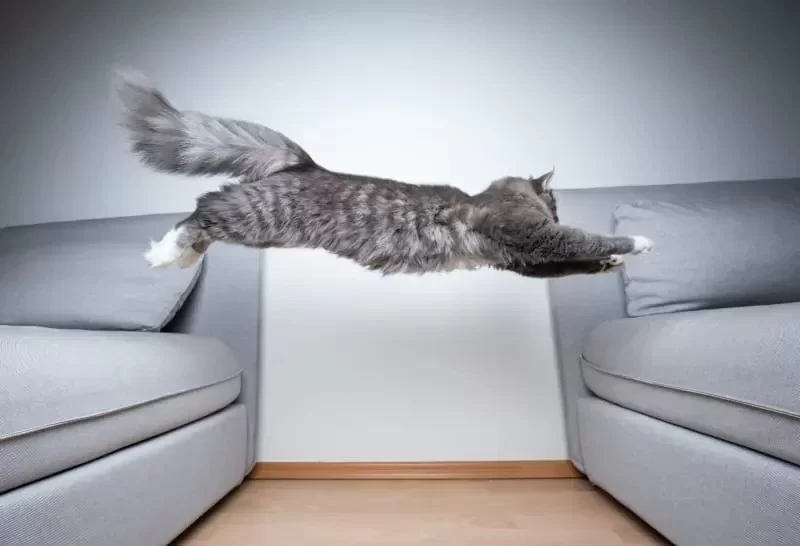
If your cat is limping after jumping, it’s important to observe the behavior closely. Cats are agile creatures, but even they can miscalculate a leap from a windowsill or bookshelf. Limping might appear immediately or gradually after the jump, and your cat may also avoid putting weight on the leg, lick the area excessively, or hide more than usual.
520 W Wyoming Ave, Cincinnati, OH 45215, USA
See Details2. Potential Causes of Cat Limping
2.1 Soft Tissue Injury
Sprains or strains are among the most common reasons for limping, especially if your cat has recently landed awkwardly. This type of injury may resolve on its own but requires monitoring.

621 Larpenteur Ave W, Roseville, MN 55113, USA
See Details2.2 Joint Dislocation or Fracture
If the jump was from a particularly high place or onto a hard surface, a dislocated joint or even a fracture is possible. Cats may yelp, refuse to walk, or drag the leg entirely. These injuries should never be ignored.
2.3 Nail or Paw Pad Trauma
Sometimes the cause is less obvious. Torn nails or cuts on paw pads can result from landing on sharp or uneven surfaces. This can also lead to limping, and in some cases, infection if untreated.
3. Home Assessment and Initial Care
3.1 Gently Examine the Limb
Without forcing your cat, try to observe which leg is affected. Look for visible signs such as swelling, cuts, or bleeding. If your cat hisses, growls, or tries to escape, stop immediately—it may be in too much pain to handle.
3.2 Encourage Rest
Reduce your cat’s movement for a day or two. Offer a soft, quiet place to rest and remove access to high perches. Sometimes minor strains improve with simple rest.
3.3 Monitor Symptoms
Keep an eye on changes in behavior: Are they eating normally? Using the litter box? Is the limping worsening or improving? These indicators will help you determine the next steps.
4. When to See a Vet
If limping persists for more than 24 hours, worsens, or your cat shows signs of severe pain, it’s time to consult a professional. Cats often mask discomfort, so early intervention is key to preventing more serious issues.
At Hidden Brook Veterinary, we’ve helped many pet owners resolve injuries from seemingly innocent jumps. With digital X-rays and feline-specific pain assessments, we can pinpoint the problem and suggest an appropriate treatment plan—whether it’s anti-inflammatory medication, physical therapy, or in rare cases, surgery.
5. Real-Life Case of Injury
Last spring, a Maine Coon named Jasper leaped from a fridge to a granite countertop and started limping. His owner assumed it was a simple bruise, but after a couple of days, Jasper became lethargic. A visit to the clinic revealed a hairline fracture in his front paw. With proper splinting and rest, Jasper recovered fully within six weeks.
6. Helping Your Cat Recover
6.1 Pain Management
Never give human medication to cats—it can be toxic. If prescribed by your vet, use only feline-safe pain relievers and follow dosage strictly.
6.2 Modify Their Environment
Limit climbing opportunities and make essentials like food and litter easily accessible. Soft bedding and gentle affection go a long way during recovery.
6.3 Follow-Up Care
Depending on the diagnosis, your vet may recommend follow-up visits to monitor healing. Be patient—most cats recover well when cared for promptly and correctly.
Whether it's a minor twist or a more serious injury, seeing your cat limping after jumping can be concerning. The good news is that with quick attention and the right care, most cats bounce back beautifully. Don’t hesitate to reach out to Hidden Brook Veterinary for expert guidance and feline-friendly support tailored to your pet’s specific needs.