- understanding-cat-excessive-meowing-after-eating
- possible-reasons-your-cat-meows-after-eating
- behavioral-vs-medical-factors
- how-to-respond-to-post-meal-vocalization
- real-case-observations
- when-to-contact-a-veterinarian
1. Understanding Cat Excessive Meowing After Eating
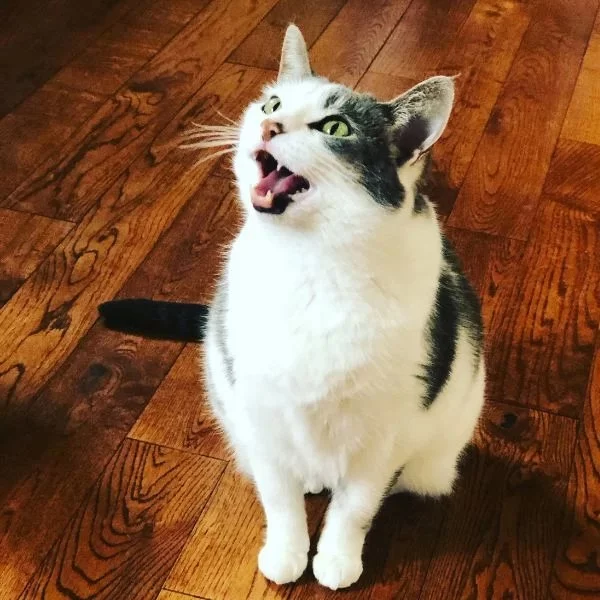
If your cat won’t stop meowing after finishing a meal, you’re not alone. “Cat excessive meowing after eating” is a common concern among pet owners — especially when the behavior starts suddenly or becomes disruptive. While occasional vocalization is normal, persistent or loud meowing may signal a deeper issue or simply a quirky feline habit worth understanding.

2. Possible Reasons Your Cat Meows After Eating
2.1 Habit or Routine-Driven Behavior
Many cats are creatures of habit. If your cat meows after meals consistently, they may have developed a routine around post-meal vocalization, expecting additional treats, water, or attention.

621 Larpenteur Ave W, Roseville, MN 55113, USA
See Details2.2 Seeking Attention or Affection
Some cats meow simply because they want social interaction. After eating, they might be more relaxed and in the mood for cuddles — and meowing is their way of calling you over.
2.3 Food Dissatisfaction or Hunger
If the food isn’t satisfying your cat nutritionally or taste-wise, they may continue meowing to request more. Especially true for active or underfed cats, a post-meal meow might be a feline complaint about portion size or quality.
2.4 Stomach Discomfort or Indigestion
Digestive discomfort can make cats vocal. If your cat is gulping food quickly or has a sensitive stomach, they may express their discomfort vocally. Symptoms can include licking lips, pacing, or frequent swallowing along with the meowing.
2.5 Medical Conditions
Certain illnesses — like hyperthyroidism, gastrointestinal issues, or dental pain — can lead to meowing after meals. These need medical attention and shouldn’t be ignored if the behavior is new or escalating.
3. Behavioral vs. Medical Factors
3.1 Behavioral Triggers
Environmental changes — such as a new pet, different feeding schedule, or even relocating a food bowl — can throw a cat off. These shifts may result in vocal protests after meals. Behavior-related causes are typically manageable with time and consistency.
3.2 Identifying Medical Red Flags
If the meowing is accompanied by other changes like vomiting, diarrhea, weight loss, or aggression, it's likely not behavioral. In such cases, medical evaluation is essential. Keep a journal to track the meowing patterns and report them to your vet for a more informed diagnosis.
4. How to Respond to Post-Meal Vocalization
4.1 Avoid Reinforcing the Behavior
It’s tempting to give more food or attention when your cat meows persistently, but this can inadvertently reinforce the habit. Instead, wait for silence before offering praise or interaction.
4.2 Enrichment and Stimulation
Ensure your cat has mental and physical stimulation after meals — puzzle toys, window perches, or a short play session can redirect the behavior positively.
4.3 Adjust Meal Type or Schedule
Try a different formula or feeding schedule. Some cats do better with smaller, more frequent meals. Also, consider wet food if you're currently feeding dry kibble — it’s often more satiating.
5. Real Case Observations
One user on a popular pet forum shared how her 4-year-old tabby started yowling loudly after dinner. Initially brushing it off as attention-seeking, she later discovered the cat had mild gastritis caused by food allergies. A switch to a grain-free, limited-ingredient diet resolved the meowing within a week.
Another example involved a senior cat who began meowing obsessively after meals. After visiting a vet at Hidden Brook Veterinary, he was diagnosed with early hyperthyroidism. Medication and a new diet plan eliminated the vocalizations and restored his calm demeanor.
6. When to Contact a Veterinarian
6.1 Signs That Warrant Medical Evaluation
If your cat’s meowing is excessive, appears suddenly, or is paired with:
- Changes in appetite
- Weight loss
- Vomiting or diarrhea
- Excessive thirst or urination
- Change in behavior or lethargy
6.2 Partner with Professionals
Don’t second-guess your instincts. Cats are masters of masking discomfort, so what seems like a quirky behavior could be a cry for help. For reliable diagnostics, advice, and treatment plans tailored to your cat’s behavior and health, the experts at Hidden Brook Veterinary are trusted by local pet parents.