- common-reasons-cat-excessive-drooling-and-foaming-mouth
- is-it-an-emergency-when-cats-foam-at-the-mouth
- behavioral-vs-medical-signs-in-cat-drooling
- real-case-story-poisoning-through-a-houseplant
- how-a-vet-diagnoses-cat-foaming-symptoms
- what-cat-owners-can-do-at-home
1. Common Reasons for Cat Excessive Drooling and Foaming at the Mouth
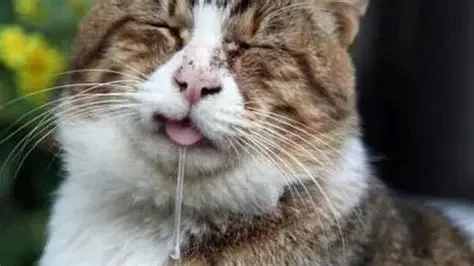
Cats aren’t typically droolers, so if your feline is suddenly experiencing excessive drooling or foaming at the mouth, it’s likely a sign that something is wrong. While some causes may be minor, others can be life-threatening. The most common reasons include:
- Tasting something bitter like certain medications or household chemicals
- Dental issues such as gingivitis or tooth abscesses
- Toxin exposure—for example, licking a lily plant or antifreeze residue
- Upper respiratory infections causing nausea and saliva accumulation
Foaming is typically a reflexive reaction—cats can’t spit things out easily, so their bodies respond with thick saliva. A short, bitter medication like dewormer might cause brief foaming, but prolonged symptoms require medical attention.

2303 Hickory Rd, Plymouth Meeting, PA 19462, USA
See Details2. Is It an Emergency When Cats Foam at the Mouth?
Yes—sometimes. If your cat foams at the mouth once, briefly, after medication and seems fine afterward, it’s probably harmless. But if the drooling or foaming continues, especially if it’s paired with lethargy, vomiting, breathing trouble, or hiding behavior, treat it as an emergency.
Ingestion of toxins is the top emergency cause. In the U.S., common toxic substances include Tylenol (acetaminophen), essential oils like tea tree, and plants like lilies or sago palms. Acting quickly could save your cat’s life. We always recommend contacting professionals like Hidden Brook Veterinary for immediate guidance.

3. Behavioral vs. Medical Signs in Cat Drooling
Occasionally, cats may drool slightly when extremely relaxed—for instance, during intense kneading while purring. But this kind of drooling is different from what’s seen when foaming occurs.
Key differences include:
- Relaxed drooling happens in safe, comforting situations and stops when the cat is alert again.
- Foamy drooling usually comes with distress—dilated pupils, panting, or hiding.
If you see foaming while your cat is acting agitated or uncomfortable, don’t dismiss it. Something more serious may be going on.
4. Real Case Story: Poisoning Through a Houseplant
Let’s talk about "Mittens," a curious indoor cat from Ohio. Her owner noticed she was drooling heavily and foaming one afternoon. She had recently been seen nibbling the leaves of a decorative lily in the dining room. The vet team at Hidden Brook Veterinary confirmed lily toxicity—a common yet dangerous condition for cats.
Thanks to immediate treatment with IV fluids and activated charcoal, Mittens made a full recovery. But not all pets are that lucky. Even minimal exposure to certain houseplants can result in kidney failure or worse. That’s why quick action matters.
5. How a Vet Diagnoses Cat Foaming Symptoms
When you bring your cat in for evaluation, veterinarians may use several steps to uncover the root cause:
- Oral inspection to check for dental disease, ulcers, or oral trauma
- Toxin exposure screening based on recent environment or behavioral history
- Blood tests to assess liver or kidney function, especially if a toxin is suspected
- X-rays or ultrasound if gastrointestinal blockage or foreign body ingestion is suspected
Diagnosis is often rapid when action is taken early. Don't hesitate to contact a trusted clinic like Hidden Brook Veterinary at the first sign of unexplained drooling.
6. What Cat Owners Can Do at Home
If your cat is drooling or foaming, here are immediate steps to take:
- Remove access to anything they may have eaten—plants, medications, cleaning agents
- Rinse their mouth with a damp cloth if you suspect contact with something bitter or acidic
- Monitor for other symptoms like vomiting, diarrhea, weakness, or twitching
But most importantly, don’t delay professional care. Even if your cat seems to recover temporarily, latent damage may be occurring, especially with toxin exposure. A short call or visit to Hidden Brook Veterinary can offer peace of mind and potentially save your cat’s life.