- 1 - observing-cat-crying-while-using-litter-box
- 2 - common-medical-causes-of-cat-litter-box-pain
- 3 - understanding-feline-uti-and-blockages
- 4 - behavioral-triggers-and-stress-response
- 5 - real-pet-story-tiger-the-tabby-s-hidden-pain
- 6 - veterinary-support-and-diagnostic-steps
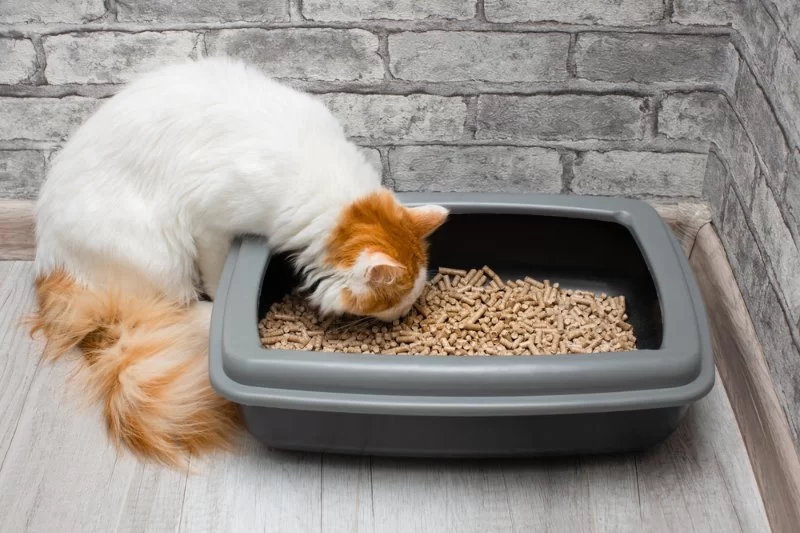
1. Observing Cat Crying While Using the Litter Box
It’s unsettling to hear your cat meowing or crying during litter box use. This behavior often signals that your cat is in discomfort or distress. For pet parents, it’s important to know that cats are masters of hiding pain—so if you notice vocalization, it usually means the issue has become significant. Crying during urination or defecation can be a red flag pointing to a range of medical or psychological problems that warrant immediate attention. If your cat suddenly begins vocalizing in the litter box, don’t dismiss it as a quirky behavior—it may be your only warning sign.

2. Common Medical Causes of Cat Litter Box Pain
The most frequent medical causes of pain during litter box use in cats include urinary tract infections (UTIs), bladder stones, constipation, and inflammation such as feline idiopathic cystitis. UTIs, for example, lead to painful and frequent attempts to urinate. Cats may strain, produce little or no urine, and cry due to burning sensations. Similarly, bladder stones can block the urethra, especially in male cats, resulting in emergency situations. Constipation is another common issue, particularly in older or sedentary cats, and it can make bowel movements extremely uncomfortable, prompting cries of pain during defecation. Any of these issues require prompt veterinary care to prevent worsening or life-threatening complications.
3. Understanding Feline UTI and Blockages
Feline lower urinary tract disease (FLUTD), including UTIs and urethral blockages, can turn deadly within hours if left untreated. Blockages are particularly dangerous in male cats due to their narrow urethras. Symptoms include frequent litter box visits, blood-tinged urine, licking the genital area, and vocalizing during urination. A male cat named Jasper was rushed to Hidden Brook Veterinary after crying out and lying beside his litter box. Tests confirmed a complete urethral blockage. Emergency catheterization saved his life. These cases underline how vital it is to recognize the signs early and act fast. If you suspect a blockage, treat it as a veterinary emergency.
4. Behavioral Triggers and Stress Response
Not all crying is caused by physical problems. Cats are sensitive to environmental changes, and stress can cause behavioral and physiological issues. A new pet, a move, changes in routine, or even a dirty litter box can trigger anxiety. In some cats, this stress manifests as feline idiopathic cystitis—a painful inflammation of the bladder with no clear physical cause. Stress-relieving measures like maintaining a consistent schedule, using pheromone diffusers, and ensuring litter box hygiene can help. Understanding your cat’s emotional world is just as important as watching their physical health. Anxiety, if ignored, can lead to recurring medical symptoms and chronic litter box problems.
5. Real Pet Story: Tiger the Tabby’s Hidden Pain
Tiger, a seven-year-old domestic tabby, had always been independent. One morning, his owner noticed him crouching in the litter box, meowing pitifully. Assuming it was constipation, she changed his food. But the crying continued. A visit to Hidden Brook Veterinary revealed a urinary tract infection and early-stage bladder stones. The veterinary team prescribed antibiotics, dietary adjustments, and hydration therapy. Within a week, Tiger returned to his usual self—no more crying, no more discomfort. Tiger’s case highlights why vocalization during litter box use should never be ignored. Even subtle signs can mask serious problems, and early intervention makes all the difference.
6. Veterinary Support and Diagnostic Steps
If your cat is crying while using the litter box, professional help is essential. A vet will typically begin with a physical exam and urinalysis to check for infections or crystals. X-rays or ultrasounds may be used to detect stones or blockages. Blood work can rule out kidney issues or diabetes. Treatment will depend on the diagnosis—ranging from antibiotics and special diets to surgery in extreme cases. At Hidden Brook Veterinary, their team provides comprehensive diagnostics and compassionate care tailored to feline patients. Don’t delay seeking help. The sooner you address the issue, the sooner your cat can return to a happy, pain-free routine.