Why Is My Cat Coughing? Common Causes and When to Worry
- understanding-feline-coughing-behavior - Understanding Feline Coughing Behavior
- distinguishing-coughing-from-other-noises - Distinguishing Coughing from Other Noises
- common-non-emergency-causes-of-cat-coughing - Common Non-Emergency Causes of Cat Coughing
- serious-medical-reasons-why-cats-cough - Serious Medical Reasons Why Cats Cough
- real-story-luna-and-her-lingering-cough - Real Story: Luna and Her Lingering Cough
- when-to-seek-professional-veterinary-care - When to Seek Professional Veterinary Care
1. Understanding Feline Coughing Behavior
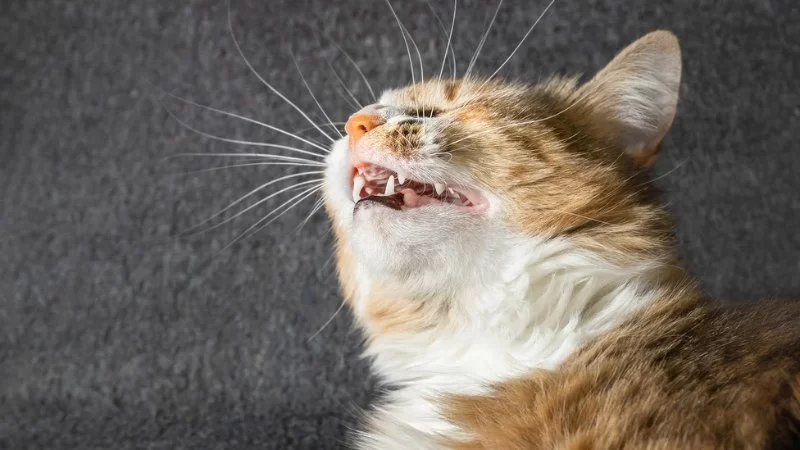
When pet owners ask, "Why is my cat coughing?" it often starts with sudden, unexpected sounds. Coughing in cats isn’t as common as in dogs, which is why it tends to catch people off guard. A cat’s cough can range from a soft, throat-clearing noise to something that sounds more dramatic, like a retch or gag. But not all coughs are equal—some are harmless, while others may signal underlying illness.

2. Distinguishing Coughing from Other Noises
2.1 Is It Really a Cough?
Cats make a variety of sounds that mimic coughing. Sometimes what looks like a cough is actually a hairball episode, reverse sneezing, or even gagging. Real coughing, however, often comes from deeper in the chest and may be dry or productive (accompanied by phlegm or mucus).

2.2 Hairballs vs. Respiratory Coughs
While hairball hacks are usually brief and end with some furry evidence, respiratory-related coughing may last longer and lack visible results. If the coughing becomes repetitive or occurs multiple times a day, something more serious could be at play.
3. Common Non-Emergency Causes of Cat Coughing
3.1 Allergies and Irritants
Just like humans, cats can react to environmental triggers. Household dust, scented candles, cigarette smoke, or even seasonal pollen can cause mild coughing fits. These episodes are usually short-lived and improve when the irritant is removed.
3.2 Mild Infections
Upper respiratory infections—often viral—are common in cats, especially those from shelters or multi-cat households. Sneezing, watery eyes, and a light cough are typical symptoms. These usually resolve on their own but should be monitored closely.
4. Serious Medical Reasons Why Cats Cough
4.1 Feline Asthma
One of the most frequent answers to “why is my cat coughing” is asthma. Feline asthma is a chronic condition that causes inflammation in the lungs, leading to wheezing, coughing, and labored breathing. Triggers can include stress, allergens, or vigorous activity. It can be managed with inhalers or medications, but early diagnosis is key.
4.2 Heartworm Disease
Yes, cats can get heartworm too—even indoor ones. While less common than in dogs, heartworms can cause coughing, lethargy, and even sudden collapse. Preventive medicine is the best defense against this potentially fatal disease.
4.3 Lung Infections and Pneumonia
Bacterial infections or aspiration pneumonia may cause wet or gurgling coughs. Cats may show signs of fever, poor appetite, or difficulty breathing. These require urgent veterinary attention and often involve antibiotics or oxygen therapy.
5. Real Story: Luna and Her Lingering Cough
Luna, a 6-year-old tabby, started coughing at night after moving to a new apartment. Her owner initially thought it was stress or adjustment, but the cough persisted. A visit to Hidden Brook Veterinary revealed mild asthma, likely triggered by dust from an old rug in the new place. With a prescription for a feline inhaler and some changes in the home environment, Luna's symptoms improved within weeks.
This case highlights how subtle environmental shifts can impact a cat’s health—and how proper diagnosis makes all the difference.
6. When to Seek Professional Veterinary Care
Persistent coughing, especially when accompanied by other symptoms like weight loss, vomiting, or breathing difficulties, should never be ignored. If your cat's cough lasts more than a few days or worsens in frequency or intensity, schedule an appointment with a trusted vet.
Hidden Brook Veterinary provides comprehensive respiratory evaluations, from digital x-rays to asthma diagnostics, giving you peace of mind and your cat the relief they deserve. Don’t wait for a mild cough to turn into a major health issue—professional help is just a step away.