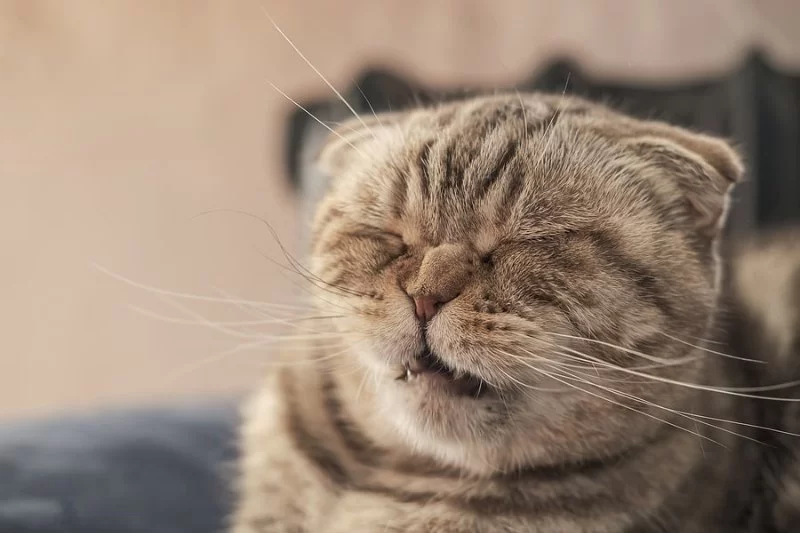
Why Is Your Cat Coughing and Sneezing at Night? Understanding the Causes and Solutions
- 1- Understanding the Causes of Cat Coughing and Sneezing
- 2- Why Cats Sneeze at Night
- 3- How to Diagnose the Problem
- 4- Treatment Options for Cat Coughing and Sneezing
- 5- When to Visit a Veterinarian
1. Understanding the Causes of Cat Coughing and Sneezing
Coughing and sneezing in cats can be alarming, especially when it occurs at night. These symptoms may indicate a range of underlying issues, from simple allergies to more serious respiratory conditions. It's important to pay attention to the frequency, severity, and accompanying symptoms of these episodes in order to understand the cause and decide whether intervention is necessary.
While some coughing and sneezing are harmless and may resolve on their own, persistent or severe symptoms should be investigated by a veterinarian. Understanding the common causes of these symptoms can help you determine the right course of action for your furry friend.
2. Why Cats Sneeze at Night
If your cat sneezes primarily at night, there may be specific factors at play. One common reason is that during the night, cats are in a more relaxed state, and certain environmental triggers such as dust, pollen, or even mold can cause sneezing. Additionally, when the lights are off, your cat’s natural inclination to rest might exacerbate certain symptoms, making them more noticeable during quiet hours.
2.1. Environmental Allergens
Dust mites, pet dander, and other allergens in your home may cause sneezing. These allergens can accumulate in bedding, rugs, or furniture, particularly in bedrooms, where your cat may spend a significant amount of time at night. Using an air purifier and regularly cleaning your home can help alleviate these symptoms.

2.2. Respiratory Infections
Upper respiratory infections (URIs) are a common cause of sneezing in cats. These infections, often caused by viruses like feline herpesvirus or calicivirus, can result in a buildup of mucus and cause sneezing. These symptoms may worsen at night when your cat's body is less active and may accumulate mucus in the sinuses.
3. How to Diagnose the Problem
If your cat is coughing and sneezing frequently, it's crucial to keep track of the symptoms. Is there a consistent pattern? Does your cat show other signs of illness, such as lethargy, loss of appetite, or nasal discharge? Recording these observations can be helpful when speaking to your veterinarian.
3.1. Observe the Duration and Frequency
Is the coughing or sneezing occasional, or does it happen every night? A brief episode here and there might not be cause for concern, but if your cat is regularly coughing and sneezing at night, it could signal an underlying health issue that requires attention.
3.2. Look for Additional Symptoms
Other symptoms, such as nasal discharge, coughing up mucus, or changes in behavior, can help pinpoint the cause. For example, if your cat also exhibits lethargy or a decreased appetite, it may be more than just allergies and could indicate a respiratory infection or another health issue.
4. Treatment Options for Cat Coughing and Sneezing
The treatment for your cat’s coughing and sneezing depends on the underlying cause. Here are some common treatment options that may be recommended by your veterinarian:
4.1. Allergy Management
If environmental allergens are the cause of your cat’s symptoms, your veterinarian may recommend antihistamines or suggest changes to your home environment to reduce allergens. Regular cleaning, air purifiers, and controlling humidity levels can also help alleviate allergic reactions.
4.2. Medications for Respiratory Infections
If your cat’s coughing and sneezing are due to a respiratory infection, your veterinarian may prescribe antibiotics (for bacterial infections) or antiviral medications. In some cases, supportive care such as hydration and a warm environment may be recommended to help your cat recover.
4.3. Humidifiers and Steam
Using a humidifier in your cat's environment can help reduce irritation in their airways, especially if they have a respiratory infection. Alternatively, creating a steam bath by running a hot shower and sitting with your cat in the bathroom can help clear nasal passages.
5. When to Visit a Veterinarian
While some coughing and sneezing episodes may resolve on their own, it's essential to know when to seek professional help. Here are a few signs that indicate your cat should be seen by a veterinarian:
5.1. Persistent or Severe Symptoms
If your cat’s coughing or sneezing continues for several days or worsens, it’s time to visit a veterinarian. Prolonged symptoms may indicate an underlying health issue such as a respiratory infection, asthma, or even heart disease.
5.2. Difficulty Breathing or Wheezing
If your cat is having difficulty breathing or showing signs of distress, such as wheezing or open-mouth breathing, this could be a sign of a more serious condition like asthma or a respiratory infection. Immediate veterinary attention is required in these cases.
5.3. Other Concerning Symptoms
If your cat has a fever, is excessively lethargic, or is showing signs of pain, you should not wait to get them examined. These symptoms indicate that the issue may be more than just a mild cold and could require urgent care.
If you’re concerned about your cat’s coughing and sneezing, consult with a veterinarian. For trusted care and advice, visit Hidden Brook Veterinary, where you can find the best products and services to help manage your pet’s health.