- observing-cat-avoidance-behavior
- common-environmental-triggers-for-cats
- the-role-of-trauma-and-association
- how-other-pets-affect-your-cats-territory
- medical-causes-of-room-avoidance
- owner-stories-of-unusual-cat-avoidance
- steps-to-restore-trust-and-comfort
1. Observing Cat Avoidance Behavior
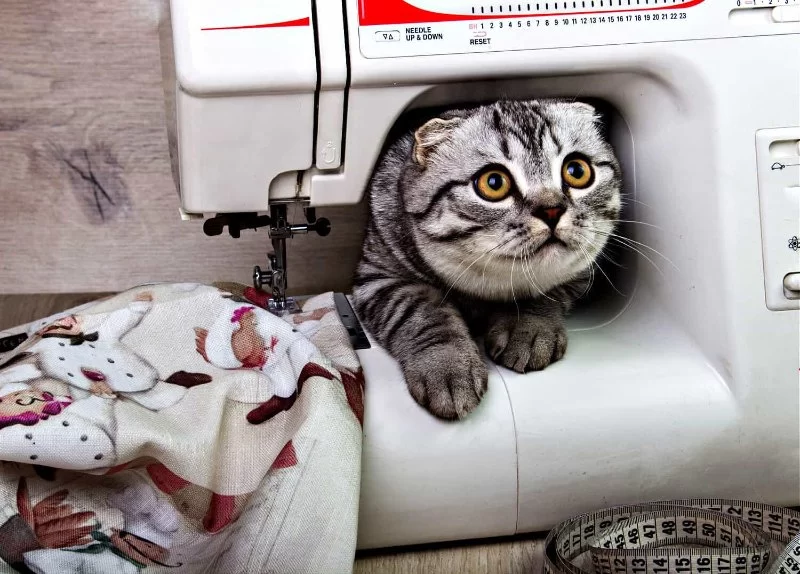
It might start subtly: your cat, who used to nap in the sunroom, now walks around it entirely. Or maybe she used to follow you to the kitchen, but suddenly stops at the hallway threshold. When a cat begins avoiding certain areas, it’s not random—it’s a signal. Understanding these subtle changes in behavior is key to decoding what’s going on in your cat’s mind.
Cats are naturally territorial and curious, so retreating from spaces they once claimed often signals discomfort. Paying attention to these patterns—especially when combined with posture, tail movement, or vocalizations—can help you identify the root of the avoidance.

2. Common Environmental Triggers for Cats
Changes in your cat’s surroundings can trigger avoidance behaviors. Cats are sensitive to sound, smell, and even subtle shifts in furniture layout. A loud appliance like a vacuum cleaner or air purifier might frighten your cat enough to avoid the entire room. New scents—from cleaning products to guests wearing perfume—can also disturb them.
Lighting, temperature, and airflow can also factor in. For instance, a drafty vent or flickering light might seem trivial to us but be overwhelming to a cat. In such cases, your feline might opt for spaces that feel safer and more stable. Observing when the avoidance began in relation to changes at home can provide key insights.

3. The Role of Trauma and Association
Cats have excellent associative memory. If something negative—like a fall, injury, or loud crash—happened in a specific location, your cat may associate that room with danger. A rescue cat named Luna once got her tail accidentally shut in a bedroom door. Despite treatment and healing, she refused to reenter that room for over a year.
Even seemingly minor incidents, such as slipping on a slick tile floor, can create long-lasting impressions. Helping your cat overcome such associations requires patience and positive reinforcement. Identifying the trigger helps you know where to start.
4. How Other Pets Affect Your Cat’s Territory
When a cat shares space with other pets—especially another cat or dog—territorial dynamics can affect movement patterns. A dominant pet may “claim” certain rooms, pushing a more timid cat to avoid them entirely. This avoidance can be subtle, happening without any physical confrontation.
Signs of such tension include frequent staring, blocked doorways, or even redirected aggression in other parts of the house. If your cat suddenly avoids a room where a younger or more dominant pet lounges, this could be a key clue. Creating zones of safety for each pet helps alleviate tension. A consultation with a feline behavior expert or a clinic like Hidden Brook Veterinary can offer tailored guidance in such scenarios.
5. Medical Causes of Room Avoidance
Though behavior often points to environmental or psychological issues, sometimes physical discomfort is the cause. If your cat avoids stairs or high ledges they used to frequent, they may be experiencing joint pain or vision issues. Conditions like arthritis, hip dysplasia, or even poor night vision in older cats can make certain areas less accessible or feel unsafe.
For example, a cat named Pepper began avoiding her favorite sun-drenched windowsill. Her owner initially assumed she was being moody. A visit to Hidden Brook Veterinary revealed early-stage arthritis, making the jump painful. After starting treatment and adding a step-stool, Pepper returned to her perch. This shows the importance of not dismissing changes as mere “cat quirks.”
6. Owner Stories of Unusual Cat Avoidance
Real stories bring understanding to life. A user on a pet forum shared how their cat started avoiding the hallway after a thunderstorm caused a picture to fall off the wall. The crash scared the cat, and even after the mess was cleaned up, the fear lingered. Only after weeks of gradual coaxing, including toys and treats placed closer each day, did the cat regain confidence.
Another owner reported that their cat avoided a guest room after a visiting relative stayed for several weeks. The relative unknowingly used a strong citrus air freshener—an odor cats generally dislike. Once the scent dissipated, the cat’s behavior returned to normal.
These stories show that while cats may be mysterious, their behaviors often have understandable roots.
7. Steps to Restore Trust and Comfort
Helping your cat feel comfortable again starts with identifying and removing the trigger. Once addressed, use slow and steady reintroduction: place their favorite blanket or toy in the avoided space. Sit with them in the room, talking calmly. Use treats and playtime to form new, positive associations.
Avoid forcing your cat into the space—it may reinforce fear. Instead, create opportunities for voluntary exploration. Soft lighting, familiar scents, and vertical safe spaces like shelves or perches can help reframe the room as friendly. If progress stalls, consult experts at Hidden Brook Veterinary, who can help assess whether medical or behavioral intervention is needed.
Remember: your cat isn’t being spiteful. They’re communicating the only way they know how. Listening with empathy is the first step in restoring their peace and confidence.