- normal-behavior-of-dog-licking-nose-and-lips-after-eating
- possible-medical-causes-to-watch-for
- behavioral-patterns-linked-to-licking-after-meals
- case-study-of-food-allergy-triggered-licking
- how-to-tell-if-its-serious
- when-to-visit-a-veterinarian
1. Normal Behavior of Dog Licking Nose and Lips After Eating
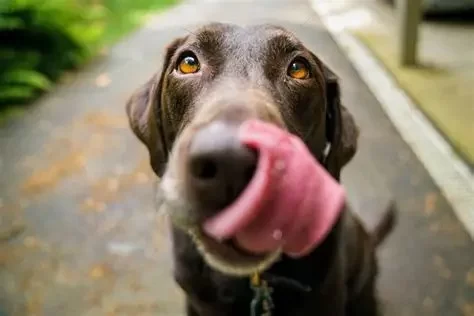
It’s completely normal for your dog to lick its nose and lips after finishing a meal. Much like how we wipe our mouths with napkins, dogs use their tongues to clean leftover food particles or moisture from their faces. It’s also part of their natural grooming habits and helps keep their sense of smell sharp—since their nose must stay moist to function effectively.
In fact, licking the lips and nose can be a sign of satisfaction after a good meal. If your dog does this for a few seconds or minutes post-feeding, it’s usually nothing to worry about. This behavior is especially common in breeds with shorter snouts like French Bulldogs or Pugs, who often get food stuck around their mouths.
2. Possible Medical Causes to Watch For
That said, excessive or repetitive licking after eating can be a red flag. Dogs who obsessively lick their nose and lips might be experiencing:
- Nausea or acid reflux: Dogs often lick their lips when their stomach is upset. This can be caused by eating too quickly, spoiled food, or gastrointestinal discomfort.
- Dental pain or oral infections: If your dog has a cracked tooth or sore gums, licking may be their way of self-soothing.
- Foreign objects stuck in the mouth: A small bone, kibble chunk, or stick fragment could be lodged in your dog’s gums or cheeks.
It’s important to monitor frequency and context. If your dog only licks after meals and appears happy otherwise, it’s probably behavioral. But if it's paired with drooling, gagging, or pawing at the mouth, consult a vet.
3. Behavioral Patterns Linked to Licking After Meals
Licking can also stem from behavioral triggers. Dogs with anxiety may exhibit repetitive actions like lip licking after meals, especially if there’s tension during feeding time—like competition with other pets or noise distractions. This is known as displacement behavior, and it’s similar to how humans fidget when stressed.
For example, a rescue dog that experienced food insecurity may develop a compulsion to lick post-meal as a leftover survival mechanism. If you adopted your dog from a shelter, consider its emotional history when evaluating this behavior.
4. Case Study of Food Allergy Triggered Licking
Take Max, a 6-year-old Labrador Retriever, for instance. His owners noticed he licked his nose furiously every time he finished his kibble. After a consult with Hidden Brook Veterinary and an elimination diet trial, it turned out Max had a mild chicken allergy. Once they switched to a salmon-based diet, the licking stopped entirely.
This example illustrates how food sensitivities can manifest subtly. It’s not always about vomiting or diarrhea—sometimes the signs are as simple as repeated licking.
5. How to Tell If It’s Serious
Here’s what to look for to determine whether your dog’s licking behavior is a minor quirk or something more serious:
- Is the licking limited to post-mealtime or does it happen throughout the day?
- Is your dog showing any signs of discomfort—like restlessness, whining, or not wanting to eat?
- Do you notice other symptoms such as vomiting, diarrhea, or weight loss?
If the behavior is escalating or spreading beyond the context of meals, it’s time to investigate further. Keep a log of when and how often your dog licks post-meal—it helps veterinarians make a more accurate diagnosis.
6. When to Visit a Veterinarian
It’s always better to be safe than sorry. If your dog is licking its nose and lips intensely after every meal, and especially if accompanied by behavioral or physical changes, schedule a visit with your vet. At Hidden Brook Veterinary, experienced teams can check for dental issues, perform dietary assessments, and run allergy tests to rule out deeper causes.
Remember, no one knows your dog better than you do. When something feels off—even something as seemingly harmless as a few extra licks—it’s worth a second look. Many conditions are easily manageable when caught early.