- common-reasons-cat-not-eating
- warning-signs-of-dehydration
- how-long-can-a-cat-go-without-eating-or-drinking
- when-you-should-be-concerned
- real-case-luna-the-tabby
- practical-steps-to-encourage-eating
1. Common Reasons Why Your Cat Is Not Eating or Drinking
It can be scary when your normally food-loving feline turns their nose up at both food and water. There are several common causes of this behavior, ranging from simple moodiness to serious medical conditions.
1.1 Stress and Environment Change
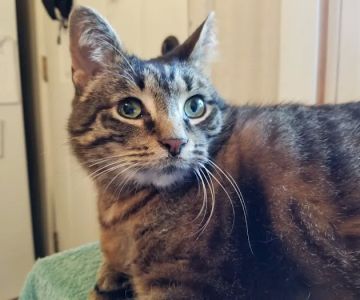
Cats are creatures of habit. A sudden move, new family member, loud noises, or even a new pet can stress your cat and cause appetite changes. Some cats may even stop eating or drinking entirely for a day or two.

1.2 Illness or Dental Pain
If your cat isn’t eating or drinking, it could be due to illness. Conditions like upper respiratory infections, kidney disease, gastrointestinal issues, or dental problems can all affect appetite and thirst.
1.3 Medication Side Effects
Some medications can make cats nauseous or suppress their appetite. If you’ve recently started a new medication, talk with your vet about potential side effects.
2. Warning Signs of Dehydration in Cats
Cats are especially prone to dehydration, especially if they’ve stopped drinking entirely. This can happen faster than many owners expect.
2.1 Physical Symptoms
Dry gums, sunken eyes, lethargy, and skin that doesn’t snap back when gently pulled are all signs your cat may be dehydrated. Dehydration is a medical emergency and should not be ignored.
2.2 Behavior Changes
Your cat may hide, become unusually quiet, or even vocalize discomfort. If you notice changes in demeanor along with appetite or thirst loss, it's time to seek help.
3. How Long Can a Cat Go Without Eating or Drinking?
Unlike dogs, cats can quickly develop hepatic lipidosis (fatty liver disease) if they go without food for more than 48–72 hours. Water is even more urgent—24 hours without fluid can already impact their organs.
3.1 The Danger of Waiting Too Long
Owners sometimes think their cat is just being picky, but even short-term starvation can trigger long-term damage. Never assume your cat will “eat when they’re hungry.” If food refusal lasts more than 24 hours, act quickly.
4. When You Should Be Concerned
Even a few skipped meals may be cause for concern in cats. But how do you distinguish between a minor phase and a serious health issue?
4.1 Key Red Flags
If your cat hasn’t eaten or drunk anything for more than 24 hours, shows signs of weakness, is vomiting, or has labored breathing—these are all signs that require immediate veterinary care.
4.2 Why Early Intervention Matters
Acting fast can be life-saving. The longer your cat goes without nourishment, the harder it can be to recover fully. That’s why experienced veterinary support from professionals like those at Hidden Brook Veterinary is essential.
5. Real Case: Luna the Tabby
Luna, a five-year-old domestic tabby in Minnesota, suddenly stopped eating and drinking after a thunderstorm rattled the neighborhood. Her owner, Sarah, thought it was just nerves—but after 36 hours, Luna was still listless. A quick trip to Hidden Brook Veterinary revealed mild dehydration and anxiety-triggered anorexia. After fluids and a short anti-anxiety treatment, Luna bounced back within days. Sarah now uses pheromone diffusers to keep her calm during storms.
6. Practical Steps to Encourage Eating and Drinking
If your cat is hesitant, try warming their food slightly to release aroma. Offer wet food or tuna water for hydration. Use shallow dishes and keep the feeding area quiet and familiar. And if nothing works—don’t wait. A vet can run simple diagnostics and offer supportive care.
Your cat’s health is never worth the risk. At Hidden Brook Veterinary, pet parents can access compassionate, professional care tailored to their feline's needs. Whether it’s diagnostics, hydration support, or a behavioral consultation, expert help is just a call away.