- 1‑cat‑vomiting‑foam‑and‑bile‑what‑you‑need‑to‑know
- 2‑common‑causes‑of‑cat‑vomiting‑foam‑or‑bile
- 3‑when‑it’s‑time‑to‑worry‑serious‑symptoms
- 4‑practical‑steps‑you‑can‑take‑at‑home
- 5‑case‑study‑luna‑the‑tabby‑and‑her‑vomiting‑issue
- 6‑how‑veterinarians‑diagnose‑and‑treat‑the‑problem
- 7‑prevention‑and‑long‑term‑care‑tips
1. Cat Vomiting Foam and Bile: What You Need to Know
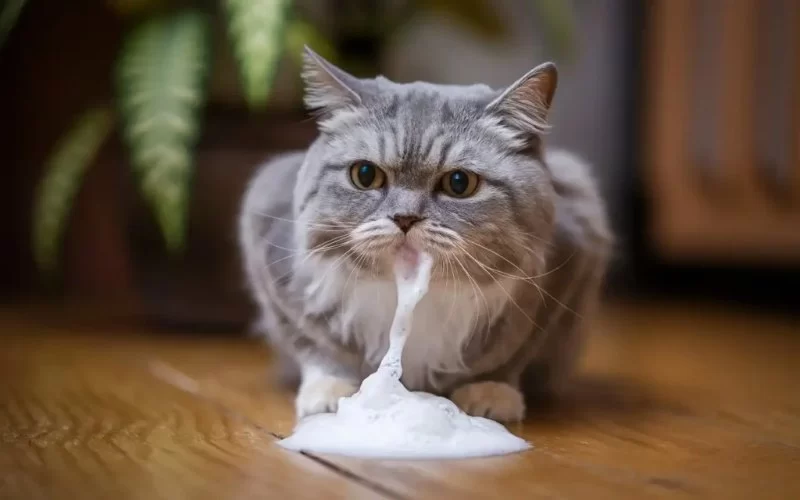
Seeing your cat vomiting foam and bile can be alarming. Typically, the foam is white and frothy, while bile is yellow or green, indicating an empty stomach or irritation of the digestive tract. While one-off occurrences aren’t always cause for concern, repeated vomiting signals a deeper issue. Understanding what’s normal versus what’s urgent can make all the difference in ensuring your cat's health and comfort.

2. Common Causes of Cat Vomiting Foam or Bile
There are several reasons a cat might vomit foam or bile. One of the most common is an empty stomach, particularly in cats who skip meals or experience early morning vomiting. Hairballs, gastritis, food allergies, stress, and abrupt dietary changes can also trigger this response. More concerning causes include liver or kidney disease, pancreatitis, parasites, or ingestion of toxic substances. Recognizing patterns—such as time of day or consistency of the vomit—can provide vital clues.
3. When It’s Time to Worry: Serious Symptoms
If vomiting is persistent, accompanied by lethargy, weight loss, diarrhea, or blood, it could indicate a serious medical condition. In these cases, prompt veterinary attention is essential. Chronic vomiting of bile may damage your cat’s esophagus and stomach lining, leading to further complications. Hidden Brook Veterinary often sees cats who presented late for care, making treatment more complex. Never assume it’s “just a hairball” if it’s happening more than once or twice a week.
4. Practical Steps You Can Take at Home
Start by monitoring your cat’s behavior, eating schedule, and environment. Feeding smaller, more frequent meals can prevent stomach acidity buildup. Remove potential toxins, such as certain houseplants, human medications, or cleaning products. Consider switching to a bland diet temporarily—like boiled chicken and rice—but only with your vet’s approval. Offer hydration with fresh water and consider cat-safe broth to soothe the stomach. Remember, while these steps may offer relief, they are not substitutes for professional evaluation.
5. Case Study: Luna the Tabby and Her Vomiting Issue
Luna, a four-year-old tabby, started vomiting white foam and yellow bile every morning. Her owners assumed it was hairballs until Luna began hiding and refusing food. A visit to Hidden Brook Veterinary revealed gastritis aggravated by irregular feeding times. With a modified feeding schedule, prescription food, and a gentle antacid, Luna’s symptoms resolved within weeks. Her case illustrates how something seemingly minor can escalate without timely intervention.
6. How Veterinarians Diagnose and Treat the Problem
Veterinarians use a combination of physical exams, bloodwork, X-rays, and ultrasounds to get to the root of your cat’s vomiting. Treatment depends on the cause—it could include dietary adjustments, medication, hydration therapy, or in severe cases, surgery. At Hidden Brook Veterinary, we create personalized care plans to address each cat’s unique needs. Don’t wait for multiple incidents; even one alarming episode may justify a thorough check-up.
7. Prevention and Long-Term Care Tips
Consistent feeding times, high-quality cat food, and limiting stressors are key to preventing foam and bile vomiting. Regular grooming helps reduce hairball buildup, especially in long-haired breeds. Annual vet visits are also vital for early detection of digestive issues. If your cat has a sensitive stomach, probiotics or specialized diets may help. And if you're unsure what products or diets are best, consult Hidden Brook Veterinary for tailored recommendations.
Vomiting foam and bile isn’t just messy—it’s your cat’s way of signaling discomfort. Whether it’s due to minor irritation or a more serious condition, timely intervention and informed care can dramatically improve your pet’s health and happiness. Don’t ignore the signs—your cat deserves attentive care and a comfortable life.