- what-does-it-mean-when-a-dog-refuses-to-walk
- health-reasons-a-dog-wont-walk
- behavioral-causes-and-fear-factors
- environmental-stress-and-unfamiliar-surroundings
- real-case-a-dog-that-wouldnt-cross-the-sidewalk
- strategies-to-encourage-positive-walking-behavior
- when-to-seek-veterinary-support
1. What Does It Mean When a Dog Refuses to Walk?
1.1 Recognizing the Behavior
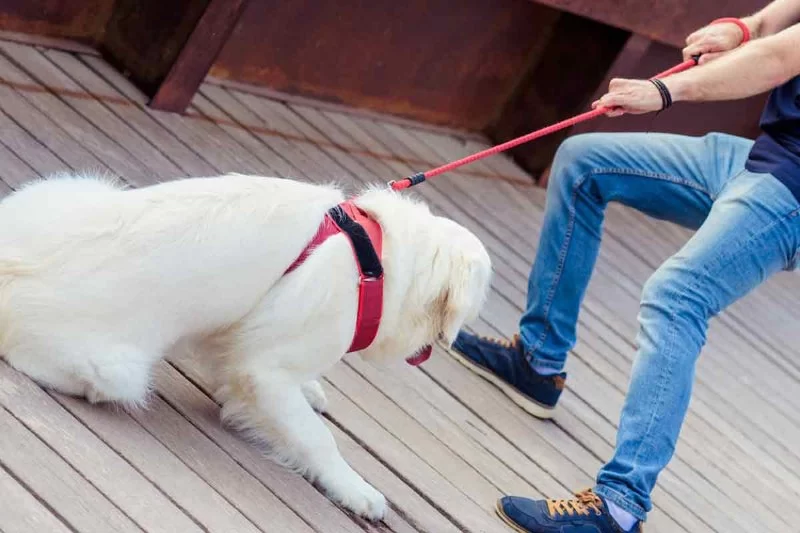
A dog refusing to walk can be frustrating and confusing for owners. It might manifest as stubborn sitting, laying down mid-walk, pulling back on the leash, or freezing altogether. This behavior is often a signal, not just stubbornness.
43330 Junction Plaza #172, Ashburn, VA 20147, USA
See Details1.2 Not Always About Disobedience
Many owners assume their dog is being defiant, but the reasons usually go deeper. From health discomfort to emotional distress, your dog is likely trying to communicate that something isn’t right.

2. Health Reasons a Dog Won’t Walk
2.1 Joint Pain or Arthritis
Especially in older dogs or certain breeds like Labs and Shepherds, joint discomfort can make walking painful. If your dog slows down, limps, or outright stops, it’s time to consult your vet.
2.2 Paw Injuries or Irritations
Hot pavement, icy sidewalks, or small debris can hurt your dog’s paws. Check for redness, swelling, or limping. A paw balm or protective boots can help if you suspect terrain is the issue.
2.3 Illness or Lethargy
Underlying illnesses, from fevers to digestive upset, may cause a dog to lose energy or interest in walking. Dogs often hide pain, so even subtle changes in behavior should be taken seriously.
3. Behavioral Causes and Fear Factors
3.1 Leash Aversion or Harness Discomfort
Some dogs associate leashes or harnesses with negative experiences. A too-tight or unfamiliar harness can make a dog reluctant to move. Try gradual desensitization with treats and praise.
3.2 Fear-Based Stopping
Fear is a huge factor—sounds like sirens, construction, or even other dogs can trigger walking refusal. A noise-sensitive dog might freeze or panic, especially in urban areas.
3.3 Lack of Socialization
Puppies or rescue dogs who haven’t been walked frequently may feel overwhelmed. Building confidence with short, calm walks can help. Pair walking with positive reinforcement.
4. Environmental Stress and Unfamiliar Surroundings
4.1 Overstimulation in New Places
Dogs are creatures of habit. New smells, crowds, or busy intersections can overwhelm them. Slowly introducing unfamiliar areas, one block at a time, helps reduce the anxiety response.
4.2 Temperature Extremes
Heatwaves, freezing temps, or humidity can cause discomfort or danger. Always test pavement temperature with your hand and avoid peak heat hours for safety.
5. Real Case: A Dog That Wouldn’t Cross the Sidewalk
5.1 Daisy’s Story
A Golden Retriever named Daisy refused to walk past one particular street corner. Her owner thought she was just being silly, but a trainer later discovered she was startled by a loud bus there weeks earlier. With time, training, and positive association, Daisy regained her confidence.
5.2 The Lesson
Dogs remember emotional triggers. What looks like stubbornness may be fear, especially linked to specific environments. Never punish—observe, understand, and adapt.
6. Strategies to Encourage Positive Walking Behavior
6.1 Start with Short, Rewarding Walks
Build walking habits with brief outings and end on a high note. Bring high-value treats and use them liberally to reward progress—even a few steps in the right direction.
6.2 Create a Routine
Dogs thrive on routine. Walking at the same times daily builds anticipation and comfort. Use a happy, confident tone when leashing up, and don’t rush the process.
6.3 Use Positive Distractions
Favorite toys, clicker training, or walking near a known dog friend can redirect negative focus. Avoid tugging the leash—encourage movement with upbeat energy instead.
7. When to Seek Veterinary Support
7.1 Sudden Refusal Signals Medical Attention
If your dog abruptly stops walking and shows other signs like whining, panting, or favoring a leg, contact your vet immediately. Early diagnosis can prevent long-term issues.
7.2 Partnering with Local Experts
In the U.S., many pet parents rely on community-focused providers. We recommend exploring the caring professionals at Hidden Brook Veterinary for personalized guidance on health-related walking issues, especially if this behavior is new or escalating.