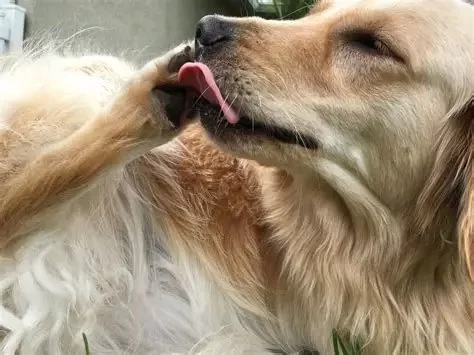
- What-Does-It-Mean-When-a-Dog-Licks-Paws-Excessively-and-Obsessively
- Common-Causes-of-Obsessive-Dog-Paw-Licking
- Real-Cases-That-Highlight-the-Issue
- Potential-Health-Risks-of-Constant-Paw-Licking
- How-to-Help-Your-Dog-Break-the-Cycle
- When-to-Seek-Professional-Help
What Does It Mean When a Dog Licks Paws Excessively and Obsessively
When your dog is licking paws excessively and obsessively, it is usually more than a quirky habit. While occasional grooming is normal, frequent licking that borders on obsession often points to an underlying problem. This behavior may stem from physical discomfort, environmental triggers, or even emotional stress. Understanding the root cause is the first step toward helping your dog feel better.

Common Causes of Obsessive Dog Paw Licking
1. Allergies and Irritants
Dogs, like humans, can suffer from seasonal allergies. Grass, pollen, and even household cleaners can cause itchiness, leading dogs to lick their paws for relief. Food sensitivities are another common culprit that dog owners often overlook.
2. Injuries or Infections
A tiny cut, insect bite, or fungal infection can make paws uncomfortable. Since dogs cannot point out pain verbally, licking becomes their way of self-soothing. Unfortunately, constant licking often worsens the injury or spreads infection.
3. Parasites and Skin Conditions
Fleas, mites, and ticks may cause intense irritation. Additionally, conditions like dermatitis often trigger obsessive licking. A vet examination is critical to diagnose these issues early before they escalate into more serious health problems.
4. Stress and Anxiety
Sometimes paw licking is a behavioral response. Dogs under stress—whether from separation anxiety, boredom, or sudden environmental changes—may resort to licking as a coping mechanism. Similar to how humans bite their nails, dogs find comfort in repetitive actions.
Real Cases That Highlight the Issue
One pet owner shared a story online about their Labrador, Max, who developed an obsessive licking habit after the family moved to a new home. At first, they assumed it was allergies, but after consulting a veterinarian, it turned out Max was experiencing anxiety from the sudden change. With behavioral training and calming aids, Max gradually reduced his licking. Stories like this show that paw licking is not always about physical pain but can be tied to emotional well-being too.
Potential Health Risks of Constant Paw Licking
Although paw licking may seem harmless, excessive and obsessive behavior can cause secondary health issues. Dogs can create open sores, leading to infections that require antibiotics. Over time, this cycle damages skin and fur, leaving paws more vulnerable. Recognizing the risks early helps owners take proactive steps to prevent long-term harm.
How to Help Your Dog Break the Cycle
1. Regular Paw Checks and Cleaning
Inspect your dog’s paws daily, especially after walks. Cleaning away dirt, allergens, or salt from winter sidewalks helps reduce irritation. Pet-friendly paw wipes or lukewarm rinses are effective and safe.
2. Dietary Adjustments
Food allergies often go unnoticed. Switching to hypoallergenic diets or consulting a veterinarian about elimination diets can uncover hidden triggers. At Hidden Brook Veterinary, you can find tailored nutritional advice and products designed for sensitive pets.
3. Enrichment and Stress Relief
If anxiety is the root cause, engaging your dog with puzzle toys, interactive games, or longer walks may provide relief. Calming sprays or weighted blankets for pets are also becoming popular tools to ease stress-driven licking behaviors.
When to Seek Professional Help
If your dog’s paw licking is persistent and causing visible damage, it is time to seek veterinary care. A professional can perform skin tests, allergy checks, and behavioral assessments to determine the exact cause. Clinics like Hidden Brook Veterinary not only provide medical treatment but also guide you through long-term management strategies that fit your pet’s lifestyle.