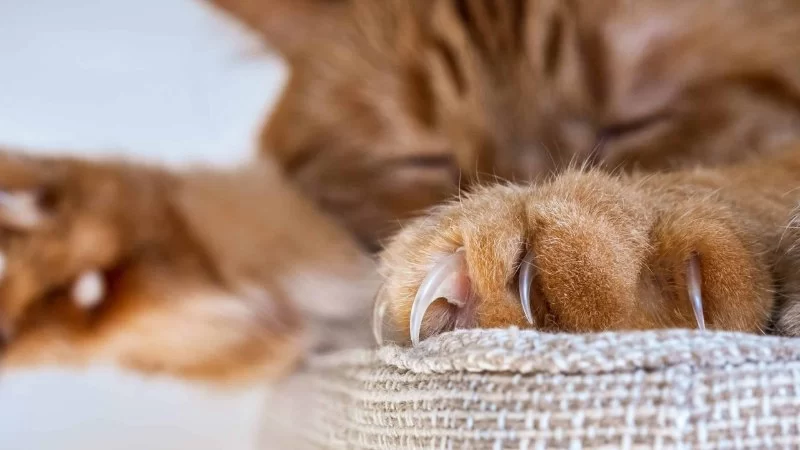
Understanding Why Your Cat Is Chewing on Their Claws Excessively
As a cat owner, you might have noticed your feline friend chewing on their claws excessively. While occasional grooming is normal, persistent or excessive claw chewing can be a sign of an underlying issue. If your cat is chewing or licking their claws more than usual, it’s essential to pay attention to their behavior, as it may indicate health problems, stress, or anxiety. In this article, we will explore the potential reasons why your cat is chewing on their claws and what you can do to help them stop this behavior.

1. Why Do Cats Chew on Their Claws?
Cats groom themselves regularly by licking and chewing their fur and claws. Claw chewing can be a natural part of this grooming process, but when it becomes excessive, it could signal a problem. Understanding the reasons behind your cat’s excessive claw chewing is the first step in addressing the issue.

1.1 Grooming and Self-Care
One of the most common reasons for claw chewing in cats is grooming. Cats chew their claws to clean and maintain their claws, similar to how they lick their fur to keep it clean. This behavior is especially prominent in cats that are highly fastidious about their cleanliness. However, if your cat is chewing excessively, it could indicate an obsessive grooming behavior that needs attention.
1.2 Stress or Anxiety
Stress and anxiety are significant factors contributing to excessive claw chewing in cats. Cats are sensitive creatures and may chew their claws when they feel anxious, scared, or stressed. Changes in the environment, such as moving to a new home, the introduction of new pets, or even disruptions in their daily routine, can cause emotional distress in cats. This stress can lead to compulsive behaviors like excessive claw chewing.
1.3 Boredom
Another common reason for excessive claw chewing is boredom. Cats, especially indoor cats, may engage in this behavior when they have too much unstructured time or insufficient mental and physical stimulation. Cats need regular play, interaction, and mental challenges to keep them engaged. Without enough activity, they may resort to chewing their claws or other repetitive behaviors as a way to pass the time.
1.4 Medical Issues
In some cases, excessive claw chewing can be a sign of a medical issue. Cats with skin infections, allergies, or injuries to their claws or paws may chew or lick them excessively to relieve discomfort. If you notice any signs of swelling, redness, or injury around the claws, it’s important to take your cat to the vet for a checkup. Additionally, parasitic infestations or fungal infections can also lead to claw chewing as cats try to soothe itchy or irritated skin.
1.5 Habitual Behavior
Sometimes, cats develop a habit of claw chewing over time. If they’ve chewed their claws for comfort or relief in the past, they may continue doing so out of habit, even if the original cause of the behavior has been resolved. Over time, the chewing becomes a repetitive action that they rely on to calm themselves or alleviate boredom.
2. How to Stop Your Cat from Chewing on Their Claws Excessively
Once you understand the potential reasons for your cat’s excessive claw chewing, the next step is to address the behavior. Here are some practical tips to help your cat stop chewing their claws excessively:
2.1 Provide Mental and Physical Stimulation
If boredom is the underlying cause of your cat’s behavior, providing more opportunities for play and stimulation can help. Make sure your cat has plenty of toys, such as interactive puzzle toys, feather wands, and scratching posts, to keep them engaged. Additionally, consider setting aside time each day to play with your cat and offer them new challenges to keep their mind sharp. The more active and mentally stimulated they are, the less likely they are to chew on their claws.
2.2 Create a Stress-Free Environment
If stress or anxiety is causing your cat to chew on their claws, it’s important to create a calming environment. Make sure your cat has a safe, quiet space where they can retreat when they feel overwhelmed. Consider using pheromone diffusers or sprays, such as Feliway, which can help reduce stress and anxiety in cats. Additionally, maintaining a consistent routine and avoiding sudden changes in the household can help alleviate stress.
2.3 Check for Medical Issues
If your cat’s claw chewing seems to be related to discomfort or pain, it’s crucial to have them checked by a veterinarian. Medical issues such as infections, allergies, or injuries to the claws may require treatment. A vet can help diagnose the underlying cause and provide appropriate medications or treatments to address the problem. In cases where a fungal or parasitic infection is present, your cat may need antifungal or antiparasitic treatment to stop the chewing behavior.
2.4 Provide Regular Grooming and Nail Care
Regular grooming can help prevent excessive claw chewing by ensuring that your cat’s claws remain in good condition. Trim your cat’s claws regularly to prevent them from becoming too long or sharp, which can be uncomfortable and lead to excessive chewing. You can also take your cat to a groomer for professional nail care if needed. Additionally, using a scratching post or pad can help your cat naturally wear down their claws and reduce the urge to chew on them.
2.5 Redirect the Behavior
If claw chewing has become a habitual behavior, try redirecting your cat’s focus to more appropriate activities. You can use positive reinforcement techniques, such as rewarding them with treats or affection when they engage in healthy behaviors like scratching on a post or playing with toys. Over time, this will help break the habit of claw chewing and reinforce positive behaviors.
3. Real-Life Story: How I Helped My Cat Stop Chewing on His Claws
When I first noticed my cat, Leo, chewing on his claws excessively, I was concerned. At first, I thought it was just normal grooming behavior, but the frequency increased, and it started to interfere with his comfort. After consulting with my vet, I discovered that Leo was suffering from mild anxiety due to a recent move. He was chewing on his claws as a way to cope with the stress.
To help him stop, I created a more soothing environment by setting up a quiet space for him and using a calming pheromone diffuser. I also made sure to increase his playtime, providing him with new toys and engaging in interactive play sessions every day. Over time, Leo’s claw chewing decreased, and he became more relaxed and playful. Now, he’s much happier and no longer resorts to chewing his claws as a way to cope with stress.
4. Conclusion: Understanding and Managing Claw Chewing in Cats
Excessive claw chewing in cats can be caused by various factors, from stress and boredom to medical issues. By understanding the underlying causes and taking appropriate steps to address them, you can help your cat stop this behavior and ensure they stay healthy and happy. Whether it's providing more stimulation, reducing stress, or seeking medical care, there are many ways to help your cat overcome excessive claw chewing.
If you're unsure of the cause or how to stop the behavior, don't hesitate to contact a veterinarian. At Hidden Brook Veterinary, we offer expert advice and care to ensure your cat’s well-being and help address any behavioral concerns. Your cat’s health and comfort should always come first, and with the right care, they can overcome this issue and lead a more comfortable life.