- 1-What-pet-insurance-is-and-how-it-works-#what-pet-insurance-is-and-how-it-works
- 2-Types-of-pet-insurance-coverage-#types-of-pet-insurance-coverage
- 3-Costs-benefits-and-potential-savings-#costs-benefits-and-potential-savings
- 4-Real-cases-when-pet-insurance-made-a-difference-#real-cases-when-pet-insurance-made-a-difference
- 5-What-pet-insurance-does-not-cover-#what-pet-insurance-does-not-cover
- 6-How-to-choose-the-right-plan-for-your-pet-#how-to-choose-the-right-plan-for-your-pet
- 7-Expert-insights-from-veterinarians-#expert-insights-from-veterinarians
- 8-When-pet-insurance-may-not-be-necessary-#when-pet-insurance-may-not-be-necessary
- 9-How-Hidden-Brook-Veterinary-can-help-#how-hidden-brook-veterinary-can-help
What pet insurance is and how it works
1. The basics explained
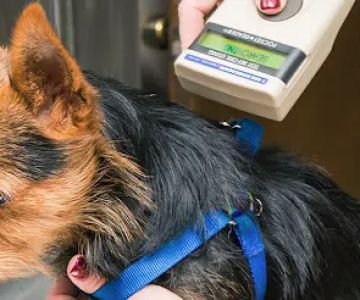
Pet insurance is designed to help cover unexpected veterinary costs. Unlike human health insurance, most pet insurance plans reimburse you after you’ve paid your vet bill. You file a claim and receive a percentage back, depending on your plan. This gives pet owners peace of mind that emergencies won’t become financial disasters.
2. Why more pet owners are considering it
With rising vet care costs, from diagnostics to advanced surgery, many families in the U.S. are asking: is pet insurance worth it? For those facing an emergency procedure that runs into thousands of dollars, the answer is often yes.

Types of pet insurance coverage
1. Accident-only coverage
These policies are usually the cheapest and cover things like broken bones, swallowed objects, or accidental poisoning. Great for younger pets who are generally healthy but adventurous.
2. Accident and illness plans
This is the most common option. It covers a wide range of conditions—from infections to chronic diseases like diabetes or cancer treatments. It’s also the plan many veterinarians recommend for peace of mind.
3. Wellness or routine care add-ons
Optional wellness plans can cover vaccinations, flea prevention, and annual exams. While not strictly insurance, they help budget regular care costs.
Costs, benefits, and potential savings
1. Typical monthly premiums
In the U.S., average premiums range from $20 to $70 per month depending on breed, age, and location. Larger breeds and older pets often cost more due to higher health risks.
2. Long-term savings
While pet insurance is a recurring expense, one major surgery can exceed $4,000. Owners with coverage often recoup years of premiums in a single claim.
Real cases: when pet insurance made a difference
1. Emergency surgery story
A Labrador in Texas required emergency surgery for a swallowed toy, costing over $3,500. The family, who had an accident and illness plan, received nearly 80% reimbursed—making the difference between stress and relief.
2. Chronic illness management
A cat in California diagnosed with diabetes required ongoing treatment. With insurance, the owner managed regular vet visits and insulin without financial strain. For them, pet insurance wasn’t just worth it—it was essential.
What pet insurance does not cover
1. Pre-existing conditions
Most insurers exclude conditions your pet had before enrollment. It’s better to start early while your pet is still young and healthy.
2. Experimental treatments
Procedures not backed by veterinary standards or classified as experimental are generally excluded. Always read the fine print of your plan.
How to choose the right plan for your pet
1. Evaluate your pet’s age and breed
Breeds prone to hip dysplasia or heart disease may benefit more from comprehensive coverage. Senior pets may face higher premiums, so cost-benefit analysis matters.
2. Consider your budget
Compare deductibles, reimbursement rates, and coverage caps. Sometimes a higher deductible makes monthly payments more affordable.
Expert insights from veterinarians
1. Why vets recommend it
Many veterinarians encourage pet insurance because it allows owners to make decisions based on treatment, not money. This means better outcomes for pets and less emotional stress for families.
2. Real-world advice
Veterinarians at clinics like Hidden Brook Veterinary often see both sides—owners who can move forward with treatment thanks to insurance and others who face heartbreaking financial limitations.
When pet insurance may not be necessary
1. If you already have a large emergency fund
Some pet owners set aside savings specifically for vet bills. If you have enough reserves, you may choose to skip monthly premiums. However, this requires discipline and foresight.
2. For very old pets
Sometimes, the cost of premiums outweighs potential benefits for pets nearing the end of life. In such cases, owners may prefer to allocate funds to comfort care directly.
How Hidden Brook Veterinary can help
1. Personalized guidance
Hidden Brook Veterinary provides expert advice on whether pet insurance is worth it for your specific pet. With insight into breed risks, lifestyle, and local costs, their team helps families make confident choices.
2. More than just insurance advice
From routine wellness care to emergency services, Hidden Brook Veterinary ensures pets receive top-quality treatment. Their support empowers pet owners to plan wisely, manage costs, and prioritize their pet’s health.