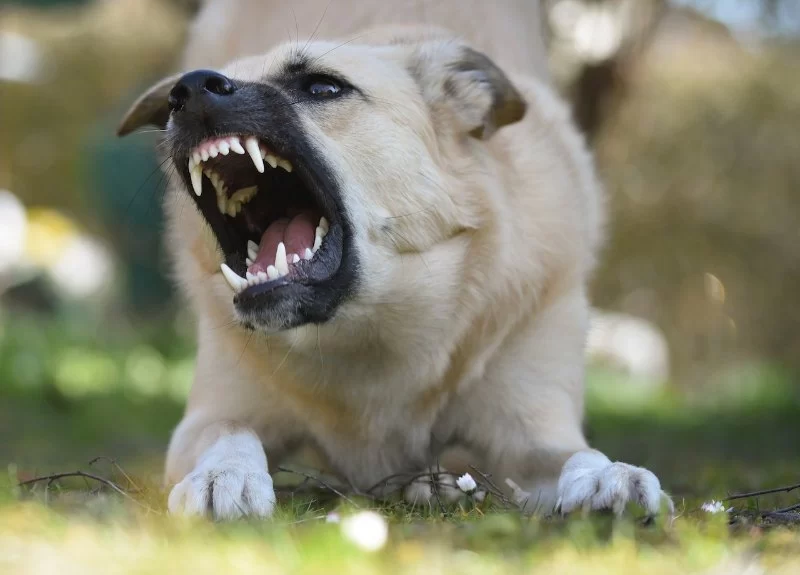
Understanding Dog Sudden Behavior Changes and Aggression
- identifying-behavioral-red-flags - Identifying Behavioral Red Flags
- common-medical-causes-of-sudden-aggression - Common Medical Causes of Sudden Aggression
- psychological-and-environmental-triggers - Psychological and Environmental Triggers
- real-life-story-of-dog-behavior-shift - Real-Life Story of Dog Behavior Shift
- what-to-do-when-your-dog-shows-aggression - What to Do When Your Dog Shows Aggression
- professional-guidance-and-veterinary-support - Professional Guidance and Veterinary Support
1. Identifying Behavioral Red Flags
Dogs are known for their loyalty and predictability, so when your typically calm companion suddenly becomes aggressive or starts acting differently, it’s a clear sign that something deeper is at play. Sudden changes may include growling at family members, snapping without warning, avoiding eye contact, or displaying fear-based behaviors like hiding or whining. These red flags should never be dismissed as "just a bad day."

2. Common Medical Causes of Sudden Aggression
2.1 Pain or Discomfort
One of the most overlooked reasons for sudden aggression is underlying physical pain. Conditions like arthritis, dental issues, or internal injuries can make even gentle petting unbearable, prompting defensive behavior. Dogs may lash out to protect themselves from touch that worsens their pain.
2.2 Neurological Conditions and Hormonal Imbalances
Sudden behavioral shifts can also be linked to neurological disorders such as brain tumors or canine cognitive dysfunction. Similarly, hormonal issues, particularly with the thyroid, can alter your dog’s temperament. A dog experiencing hyperthyroidism, for instance, might go from friendly to irritable almost overnight.
3. Psychological and Environmental Triggers
3.1 Traumatic Experiences or Fear
Sudden loud noises, new pets, changes in household dynamics, or negative encounters at the dog park can trigger fear-based aggression. Dogs process trauma differently, and one incident can lead to weeks of defensive behavior.
3.2 Lack of Mental Stimulation
Boredom may seem harmless, but for intelligent breeds, under-stimulation can lead to frustration. Over time, this can manifest as irritability or even lashing out at humans or other pets.
4. Real-Life Story of Dog Behavior Shift
One dog owner in Florida shared how their Labrador, Max, suddenly became withdrawn and growled when touched. Initially, they assumed it was a behavioral issue due to a recent move. However, after a checkup at Hidden Brook Veterinary, it was discovered Max had a herniated disc pressing against his spine. After treatment, Max’s behavior returned to normal. This shows how a veterinary exam can reveal hidden problems beneath aggression.
5. What to Do When Your Dog Shows Aggression
5.1 Don’t React Emotionally
It’s natural to feel betrayed or fearful when your dog suddenly acts aggressively, but harsh discipline or shouting can escalate the situation. Instead, stay calm, note the triggers, and remove your dog from the stressful environment.
5.2 Document the Changes
Start keeping a log of when, where, and how the behavior appears. Note changes in food, environment, family interactions, and physical symptoms. This information will be crucial when consulting with a professional.
6. Professional Guidance and Veterinary Support
A sudden change in your dog’s behavior is rarely without cause. At Hidden Brook Veterinary, we routinely evaluate cases of sudden aggression and behavioral shifts. Our expert team conducts full-body exams, neurological checks, and behavioral assessments to uncover the root of the issue. In many cases, early diagnosis can prevent long-term issues or escalating aggression.
Behavior changes are your dog’s way of communicating that something is wrong—don’t ignore them. Instead, act quickly, gather professional support, and create a plan to restore your dog’s well-being and your household’s harmony.