- 1. Why Do Dogs Shed Excessively?
- 2. Common Causes of Bald Spots in Dogs
- 3. How to Manage and Stop Excessive Shedding
- 4. How to Treat Bald Spots in Dogs
- 5. When to Seek Veterinary Help for Your Dog’s Shedding and Bald Spots
1. Why Do Dogs Shed Excessively?
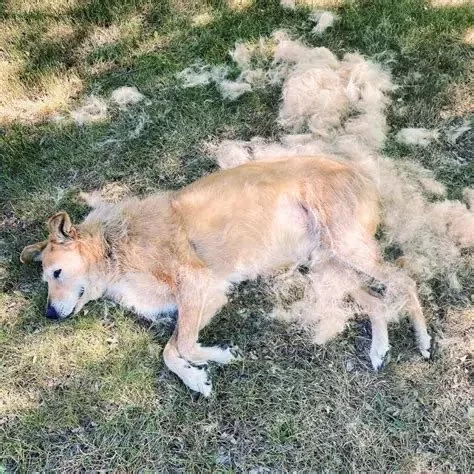
Shed fur is a normal part of a dog’s life, and most dogs naturally shed to get rid of old or damaged hair. However, excessive shedding can become a concern for many pet owners, especially when it leads to noticeable thinning of the coat or bald patches. Understanding why your dog is shedding excessively is the first step in managing this common issue.
Excessive shedding can be caused by several factors, from seasonal changes to medical conditions. Some breeds naturally shed more than others, but even dogs with minimal shedding may experience hair loss due to health or environmental factors. In this section, we’ll explore the common causes behind excessive shedding in dogs and what you can do to address it.

1. Seasonal Shedding
Many dogs shed more during seasonal transitions, especially in spring and fall. As the temperature changes, dogs shed their winter coat to prepare for warmer weather, or they grow a thicker coat as the weather cools. This natural process is typically nothing to worry about, but it can still leave pet owners with piles of fur around the house.

2. Diet and Nutrition
A poor diet can also contribute to excessive shedding. Dogs that lack proper nutrition, especially those deficient in fatty acids, vitamins, or protein, may experience dry, brittle coats and increased shedding. If your dog is shedding more than usual, consider reviewing their diet and possibly introducing supplements to improve skin and coat health.
3. Allergies and Sensitivities
Allergic reactions to certain foods, environmental factors, or flea bites can lead to itching, inflammation, and excessive shedding. If your dog is constantly scratching or licking their skin, it might indicate an allergic reaction contributing to hair loss. Environmental allergies, such as pollen or dust mites, are common triggers, especially in breeds prone to sensitivities.
4. Stress or Anxiety
Stress and anxiety can also cause dogs to shed excessively. Changes in their environment, such as moving to a new home, loud noises, or separation anxiety, can trigger nervous behaviors like excessive licking or scratching, leading to hair loss.
5. Health Problems
Underlying health issues like hypothyroidism, parasites, or skin infections can lead to excessive shedding. If you notice that your dog’s shedding is accompanied by other symptoms, such as lethargy, changes in appetite, or visible sores, it’s important to consult with a veterinarian to rule out any serious health problems.
2. Common Causes of Bald Spots in Dogs
While shedding is a natural process, bald spots are a different story. If your dog is developing bald patches or thinning hair, it may be a sign of an underlying issue. Here are some common causes of bald spots in dogs:
1. Flea Allergies
Flea allergies are one of the most common causes of bald spots in dogs. The itching and irritation caused by flea bites can lead to hair loss, especially around the neck, back, and tail areas. If you suspect your dog has a flea allergy, it’s essential to treat the fleas promptly and prevent future infestations.
2. Hot Spots
Hot spots are inflamed, infected areas of the skin that can cause hair loss. They are often a result of excessive scratching, licking, or chewing, which can lead to open sores and bald patches. Hot spots are often caused by allergies, infections, or parasites, and they require immediate treatment to prevent further damage to the skin.
3. Hormonal Imbalances
Hormonal imbalances, particularly conditions like hypothyroidism or Cushing’s disease, can result in hair loss and bald spots. These conditions affect the body’s ability to regulate hair growth, leading to thinning fur or complete bald patches. Hormonal issues are more common in older dogs, but they can affect dogs of all ages.
4. Ringworm
Ringworm is a fungal infection that can cause circular bald patches on a dog’s skin. While it sounds scary, it’s treatable with antifungal medication. If your dog develops round patches of hair loss, it’s important to get them checked by a vet to confirm if ringworm is the cause.
5. Demodex Mange
Demodex mites are naturally occurring in dogs but can lead to mange when they overpopulate. This condition causes hair loss and bald spots, particularly around the eyes, muzzle, and paws. It’s typically seen in puppies and dogs with compromised immune systems, and it can be treated with medication prescribed by a vet.
3. How to Manage and Stop Excessive Shedding
Managing excessive shedding involves a combination of proper grooming, a balanced diet, and addressing any underlying health issues. Here’s how you can reduce excessive shedding and keep your dog’s coat healthy:
1. Regular Brushing
Brushing your dog regularly is the most effective way to control shedding. It helps remove loose fur, prevents matting, and stimulates natural oils that keep the coat healthy. The type of brush you use depends on your dog’s coat type, so be sure to choose one that’s suited to their breed and hair length.
2. Bathing
Frequent bathing can help reduce shedding by keeping the skin clean and free of allergens. Use a gentle, pet-safe shampoo designed for shedding, and make sure to thoroughly rinse your dog to remove any shampoo residue that could irritate the skin.
3. Balanced Diet
A nutritious, well-balanced diet is essential for a healthy coat. Make sure your dog’s food contains high-quality protein and omega-3 fatty acids, which promote healthy skin and reduce shedding. You can also consider adding supplements like fish oil to help maintain a shiny, thick coat.
4. Flea and Parasite Prevention
Regular flea and parasite prevention is crucial for dogs with allergies or sensitive skin. Talk to your vet about the best flea prevention plan for your pet, which may include topical treatments, oral medications, or flea collars.
4. How to Treat Bald Spots in Dogs
If your dog has developed bald spots, it’s essential to address the root cause of the issue. Here are some steps you can take to help treat bald spots:
1. Identify the Cause
The first step in treating bald spots is identifying the cause. If the bald spots are due to fleas, allergies, or hot spots, treating the underlying issue will help the hair grow back. In some cases, hair loss may be temporary, and with proper treatment, your dog’s coat will regrow.
2. Use Medicated Shampoos
If your dog has bald spots due to fungal or bacterial infections, your vet may recommend medicated shampoos. These can help treat the infection and reduce inflammation, encouraging hair regrowth.
3. Visit the Veterinarian
If your dog’s bald spots persist or worsen, it’s important to seek veterinary care. A vet can perform tests to determine the cause of the hair loss and provide treatment options, including medications, topical treatments, or lifestyle changes.
5. When to Seek Veterinary Help for Your Dog’s Shedding and Bald Spots
If you notice that your dog is shedding excessively or developing bald spots, and home remedies don’t seem to be helping, it’s time to consult a veterinarian. Persistent hair loss can be a sign of a more serious health issue, such as an infection, hormonal imbalance, or parasites.
At Hidden Brook Veterinary, we specialize in diagnosing and treating pet skin issues. Our team can help identify the cause of your dog’s shedding and hair loss and provide the best treatment options to keep your dog healthy and comfortable. Don’t hesitate to reach out for expert advice and care.