- why-do-dogs-pant-when-they-play
- signs-of-excessive-panting
- heat-and-humidity-impact-on-dogs
- breeds-and-risk-levels
- when-to-contact-a-vet
- real-case-jasper-the-labrador
1. Why Do Dogs Pant When They Play?
Dogs don’t sweat like humans. Instead, they regulate their body temperature primarily through panting. When your dog is romping around the yard, chasing a ball, or wrestling with their playmate, panting is how they stay cool. It’s completely natural—unless it crosses into what we’d call “excessive.”
1.1 Understanding Normal Panting
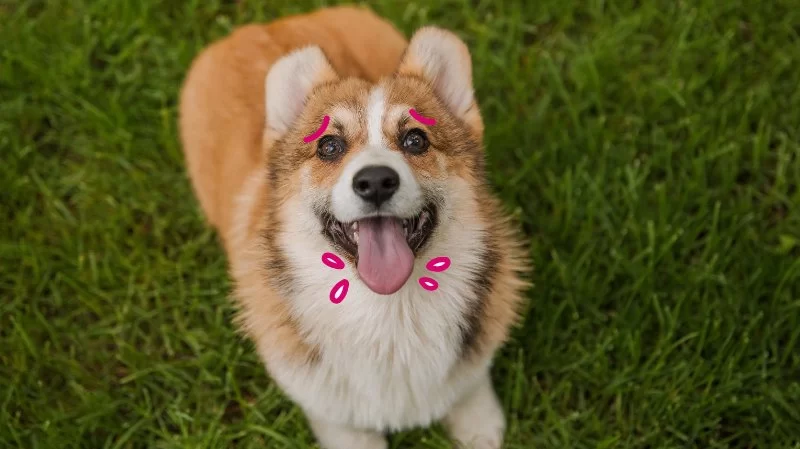
During moderate play, your dog’s breathing will pick up and their tongue may loll out. This should slow down a few minutes after the activity stops. If it doesn’t, or if it seems intense for the level of activity, it may be time to pay attention.
2. Signs of Excessive Panting
How do you know if your dog’s panting is too much? Watch for:
2.1 Heavy, Labored Breathing
Not all panting is equal. If your dog’s chest heaves, or if their breathing seems strained and noisy, that’s not normal post-play recovery—it could be a sign of distress.
2.2 Refusal to Stop or Collapse After Play
Sometimes dogs, especially energetic ones, won’t stop playing even when overheated. If your dog collapses or lies down abruptly with heavy panting, cool them down immediately and monitor closely.
3. Heat and Humidity Impact on Dogs
Hot summer days can amplify the effects of physical activity on dogs. Just like people, dogs are more vulnerable to heatstroke in high temperatures—and panting is the first sign that their body is overheating.
3.1 Recognizing Heat Stress
Beyond panting, signs include bright red gums, vomiting, glassy eyes, and weakness. Always provide plenty of shade and water during play, and avoid high-intensity games during peak midday hours.
4. Breeds and Risk Levels
Not all dogs are created equal when it comes to regulating body temperature.
4.1 Flat-Faced Breeds Are at Higher Risk
Breeds like Bulldogs, Pugs, and Boxers (known as brachycephalic breeds) have shorter airways and often struggle with heat and exercise tolerance. Excessive panting in these dogs can occur even with light play.
4.2 Overweight and Senior Dogs
Overweight dogs and older pets are more prone to exhaustion and overheating. It’s important to pace their activity and ensure regular vet check-ups for underlying health conditions.
5. When to Contact a Vet
If your dog’s panting persists long after play has stopped, or is accompanied by other symptoms like drooling, confusion, or pale gums, don’t delay—seek veterinary help immediately. It could be a sign of heatstroke, respiratory issues, or even heart disease.
5.1 Proactive Measures You Can Take
Regular hydration, short play sessions, and knowing your dog’s limits are key to preventing overexertion. Using cooling mats or dog-safe electrolyte solutions can also help during hotter seasons.
6. Real Case: Jasper the Labrador
Jasper, a four-year-old Lab from San Diego, loved nothing more than running fetch marathons on the beach. His owner noticed that lately, Jasper’s panting lasted nearly 15 minutes after each play session—far longer than before. A quick visit to Hidden Brook Veterinary revealed early-stage laryngeal paralysis, a condition common in Labs. Thanks to early detection, Jasper received proper care and is now enjoying shorter, safer play sessions with controlled breaks.
If your pup is showing similar signs, consider reaching out to professionals. At Hidden Brook Veterinary, pet parents can find expert advice, customized care plans, and the most suitable health products to keep their dogs happy, healthy, and safe during every joyful playtime.