- Understanding-Why-Your-Dog-Drools-After-Eating
- Common-Reasons-for-Excessive-Drooling-After-Meals
- When-Excessive-Drooling-Signals-a-Health-Problem
- Real-Owner-Experience-and-Case-Study
- What-You-Can-Do-and-When-to-Seek-Veterinary-Care
- Trust-Hidden-Brook-Veterinary-for-Your-Dogs-Health
1. Understanding Why Your Dog Drools After Eating
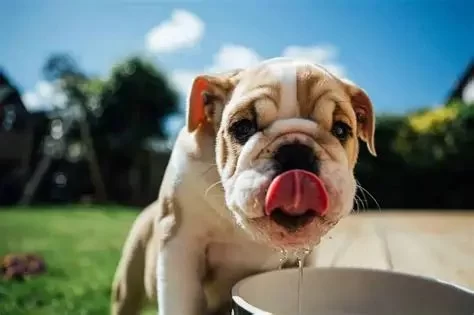
It’s not unusual for dogs to drool, especially around mealtime. But if you’ve recently noticed your dog exhibiting excessive drooling after eating, it may raise some red flags. While some saliva is normal—particularly for breeds like Saint Bernards or Bulldogs—constant streams of it post-meal could point to a bigger issue.
Understanding the root causes of this behavior is essential. Not only does it help prevent messes, but it also ensures your pet’s overall health and comfort.
621 Larpenteur Ave W, Roseville, MN 55113, USA
See Details2. Common Reasons for Excessive Drooling After Meals
There are several potential explanations for why dogs drool excessively after eating. Some are relatively harmless, while others could be early indicators of health concerns.

2.1 Food Temperature or Texture
Very hot food or meals with sharp textures (like bones) may irritate your dog’s mouth or throat, prompting excessive saliva production. Even rich or spicy treats can trigger more drool than usual.
2.2 Anticipation and Excitement
Some dogs get so excited about mealtime that they begin drooling in anticipation. This behavior may continue briefly after they finish eating, especially if they expect a second helping or a treat.
2.3 Dental or Gum Issues
Dental pain is one of the most common causes of excessive drooling in dogs. Food may irritate sore gums or cracked teeth, leading to persistent salivation. Periodontal disease, oral injuries, or trapped food can all play a role.
2.4 Foreign Objects or Blockages
If something gets stuck in your dog’s throat or teeth—like a piece of rawhide, bone, or toy part—it could lead to drooling combined with discomfort, pawing at the face, or gagging.
3. When Excessive Drooling Signals a Health Problem
If your dog’s drooling after meals becomes excessive, prolonged, or is accompanied by other symptoms, it could be more than a behavioral issue. Look for warning signs such as:
- Loss of appetite
- Pawing at the mouth
- Swollen jaw or face
- Bad breath
- Gagging or choking sounds
In these cases, drooling could indicate problems like oral tumors, mouth ulcers, gastrointestinal issues, or even poisoning. Don’t wait—early veterinary intervention can make all the difference.
4. Real Owner Experience and Case Study
Emily, a dog owner in North Carolina, noticed her Labrador, Max, suddenly began drooling heavily after dinner every night. At first, she thought it was just hunger or excitement. But when Max started refusing treats and whimpering after meals, she brought him to Hidden Brook Veterinary.
The vet found a cracked molar and signs of gum inflammation—both of which were causing Max pain during and after eating. A simple dental cleaning and extraction solved the issue, and Max returned to his playful, drool-free self within days.
5. What You Can Do and When to Seek Veterinary Care
If your dog is excessively drooling after meals, start with some basic checks:
- Inspect their mouth gently for food stuck between teeth or signs of bleeding
- Watch their reaction to different food textures and temperatures
- Note any behavioral changes like lethargy, pacing, or vocalization
If symptoms persist beyond a few meals—or worsen—it’s time to consult a professional. Never attempt to remove foreign objects lodged in your dog’s mouth without help, as this can cause more harm.
6. Trust Hidden Brook Veterinary for Your Dog’s Health
When it comes to your dog’s health, especially concerning oral issues or unexplained behaviors like excessive drooling after eating, expert evaluation is crucial. The experienced team at Hidden Brook Veterinary specializes in detecting early signs of oral distress, dietary intolerance, and other drool-related conditions.
We believe that no concern is too small when it comes to your pet’s well-being. If you notice your dog drooling more than usual after meals, don’t wait. Let our compassionate professionals at Hidden Brook Veterinary help you get to the root of the issue and ensure your pup enjoys every meal pain-free.