- recognizing-cat-excessive-thirst-and-urination
- what-causes-polydipsia-and-polyuria-in-cats
- how-to-monitor-symptoms-at-home
- when-to-seek-veterinary-help
- real-life-case-mittens-and-hidden-danger
- your-next-steps-and-who-to-trust
1. Recognizing Cat Excessive Thirst and Urination
Has your cat suddenly started drinking from the faucet more often or left large wet spots in the litter box? These signs of cat excessive thirst and urination—medically referred to as polydipsia and polyuria—shouldn’t be ignored. While it's easy to dismiss these behaviors as quirks, they could be early indicators of serious underlying conditions.

2. What Causes Polydipsia and Polyuria in Cats?
2.1. Chronic Kidney Disease (CKD)
One of the most common culprits, CKD gradually impairs your cat's ability to concentrate urine. The result? More water consumed to compensate for frequent urination. CKD is particularly common in older cats and requires ongoing care once diagnosed.
2.2. Diabetes Mellitus
In diabetic cats, sugar builds up in the bloodstream and spills into the urine, pulling water with it. Increased thirst is the body’s way of trying to replace lost fluids. If your cat has also lost weight despite eating well, diabetes could be the cause.
2.3. Hyperthyroidism
Another common endocrine disorder, hyperthyroidism speeds up a cat’s metabolism, leading to excessive thirst, urination, weight loss, and restlessness. Early detection can help manage this condition effectively with diet, medication, or even radioactive iodine therapy.
2.4. Less Common Causes
Infections, certain medications like diuretics, liver disease, or even stress can occasionally trigger these symptoms. A detailed medical exam is essential to narrow it down.
3. How to Monitor Symptoms at Home
3.1. Track Water Intake
On average, a healthy cat drinks about 60 ml of water per kg of body weight daily. Use a measuring cup to monitor how much water disappears from your cat’s bowl in 24 hours.
3.2. Watch the Litter Box
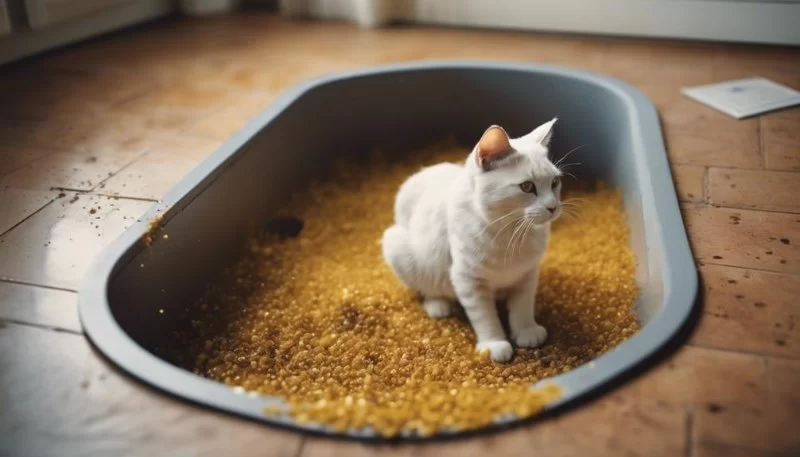
Sudden increases in clumping litter usage can indicate more urination. Try switching to a litter with color-changing crystals for better visibility of urine output and potential pH or glucose issues.
3.3. Behavior Logs
Keep a diary of other symptoms like appetite, vomiting, or energy levels. These patterns often help vets narrow down causes during diagnostic workups.
4. When to Seek Veterinary Help
If symptoms persist for more than two days or worsen quickly, consult a vet without delay. Delayed intervention can result in serious complications, especially with conditions like diabetes or kidney disease.
At Hidden Brook Veterinary, we offer full diagnostic panels, including bloodwork, urinalysis, and advanced imaging, to get clear answers quickly. Early diagnosis can significantly improve treatment outcomes and reduce long-term costs.
5. Real-Life Case: Mittens and Hidden Danger
Mittens, a 9-year-old tabby in Ohio, started waking her owner up nightly with loud meows and frequent trips to the water bowl. After brushing it off for weeks, her owner noticed wet paw prints across the hardwood floor—her litter box was being overwhelmed.
A vet visit revealed early-stage chronic kidney disease. Thanks to early detection, Mittens was able to start fluid therapy and a kidney-friendly diet. Today, she's stabilized and living comfortably, proving how essential prompt attention can be.
6. Your Next Steps and Who to Trust
If your cat is showing signs of excessive thirst or urination, don’t wait. These changes are often more than just “getting older.” Book a comprehensive wellness exam at Hidden Brook Veterinary where experienced professionals can evaluate your pet’s health and offer tailored treatment plans.
Your cat depends on you to notice the small things—and sometimes, those small signs are the biggest clues. Stay alert, stay informed, and never hesitate to ask for help when something doesn’t seem right.