Understanding Cat Excessive Shedding in Clumps: Causes and Solutions
- 1. Why Is My Cat Shedding in Clumps?
- 2. Common Causes of Cat Shedding in Clumps
- 3. How to Address Excessive Shedding
- 4. When to Consult a Veterinarian
- 5. Conclusion
1. Why Is My Cat Shedding in Clumps?
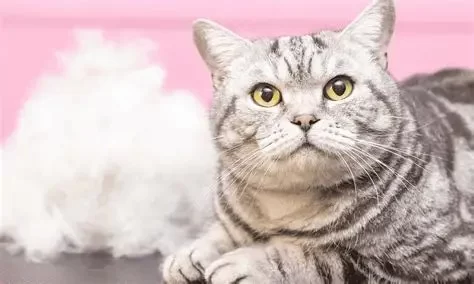
If you've noticed your cat shedding large clumps of fur, it can be concerning. While all cats shed to some degree, excessive shedding in clumps can indicate underlying issues. This type of shedding may be caused by various factors, including health problems, grooming habits, or even seasonal changes. Understanding the cause of your cat's shedding is essential to determine the appropriate solution and ensure your feline friend remains healthy and comfortable.
2. Common Causes of Cat Shedding in Clumps
Several factors can contribute to your cat shedding fur in clumps. Here are some of the most common causes:
2.1 Seasonal Changes
As the seasons change, many cats shed their fur to adjust to the new temperature. This is especially common during spring and fall. The shedding may result in fur clumps as your cat loses its winter coat or prepares for summer. This type of shedding is generally normal and temporary.
2.2 Poor Grooming Habits
Cats are known for grooming themselves, but sometimes they may not do a thorough job. Cats that are overweight, elderly, or have mobility issues may struggle to groom certain areas of their body, leading to uneven shedding and clumping. Regular brushing can help prevent this issue and ensure that your cat's coat stays healthy.
2.3 Allergies
Allergic reactions, whether to food, pollen, or environmental factors, can also cause your cat to shed in clumps. Allergies often lead to dry skin, itching, and discomfort, prompting excessive grooming. If your cat is shedding more than usual and showing signs of irritation, allergies may be the cause.
2.4 Fleas or Parasites
Fleas, ticks, and other parasites can cause your cat to scratch excessively, leading to clumped fur as they attempt to relieve the discomfort. If your cat is shedding in clumps and has visible signs of fleas or hair loss, a thorough flea treatment may be necessary.
2.5 Medical Conditions
Certain medical conditions, such as thyroid problems, fungal infections, or hormonal imbalances, can lead to excessive shedding in clumps. These conditions often require veterinary intervention and treatment. If you notice other signs of illness, such as weight changes, lethargy, or skin inflammation, it’s important to consult your veterinarian.
3. How to Address Excessive Shedding
If your cat is shedding excessively in clumps, here are some steps you can take to manage the issue:
3.1 Regular Grooming
One of the best ways to control shedding is through regular grooming. Brushing your cat's coat several times a week helps remove loose fur, preventing clumps from forming. It also stimulates the skin and improves blood circulation, promoting healthier fur. Use a brush that suits your cat's fur type, whether short or long-haired, to effectively remove tangles and mats.
3.2 Proper Nutrition
Ensuring your cat is on a balanced diet can help reduce shedding. Omega-3 fatty acids found in fish oils are particularly beneficial for maintaining a healthy coat. You may want to consult your veterinarian about dietary supplements that can support your cat's skin and fur health.
3.3 Flea Prevention
If fleas are the culprit, ensure that your cat is on a proper flea prevention regimen. Regularly check for signs of fleas, especially if your cat is scratching excessively. Consult your vet for recommendations on the best flea control products.
3.4 Stress Reduction
Stress can contribute to excessive shedding in cats. Try to minimize stressors in your cat's environment by providing a calm and predictable routine. Enrichment activities, such as interactive toys, climbing posts, and cozy resting spots, can help keep your cat relaxed and reduce stress-related shedding.
4. When to Consult a Veterinarian
If your cat's shedding in clumps is persistent or accompanied by other symptoms like excessive scratching, hair thinning, or changes in behavior, it’s important to consult a veterinarian. A vet can rule out medical conditions like allergies, infections, or hormonal imbalances and provide an appropriate treatment plan. Early intervention can prevent the issue from worsening and ensure your cat remains healthy.
5. Conclusion
Excessive shedding in clumps can be a sign of underlying issues, but with proper care and attention, you can manage and reduce the problem. Regular grooming, a balanced diet, and proper flea control are all essential for maintaining your cat's coat health. If the shedding continues or is accompanied by other health issues, don’t hesitate to reach out to your veterinarian for expert advice and care.
For more information and advice on your cat’s health, visit Hidden Brook Veterinary for the best pet care services.