- 1 - Why Cats Shed in Clumps
- 2 - Common Causes of Excessive Shedding
- 3 - Health Risks Linked to Clump Shedding
- 4 - Grooming Solutions to Manage Shedding
- 5 - Real Stories from Cat Owners
- 6 - Professional Support from Hidden Brook Veterinary
1. Why Cats Shed in Clumps
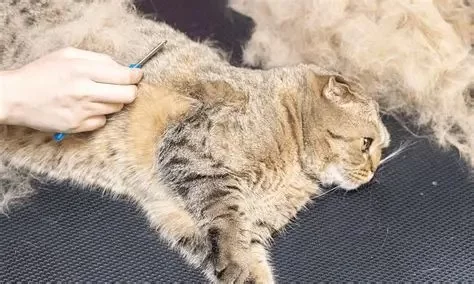
Shedding is natural for cats, but when fur begins to come out in noticeable clumps, it often signals an underlying issue. Normal shedding typically leaves loose hair across furniture or clothing, but clumped shedding suggests your cat’s coat or skin is under stress. Recognizing this difference early can help you protect your cat’s overall health. It’s more than a cosmetic problem—it may be their body’s way of sending you a message.
2. Common Causes of Excessive Shedding
The reasons behind cat excessive shedding in clumps vary widely. Seasonal changes are one of the most common triggers, as cats naturally lose more hair in spring and fall. However, stress, poor diet, parasites, allergies, or underlying medical conditions can also be culprits. For example, a cat with a protein deficiency may develop brittle fur that breaks off in patches. Environmental stressors, such as moving homes or introducing new pets, can also cause hair loss to accelerate. Identifying the root cause is essential for proper treatment.

3. Health Risks Linked to Clump Shedding
Excessive fur loss is more than just a cleaning headache. When cats shed in clumps, bald spots may develop, leaving their skin vulnerable to irritation or infection. Some cats may groom excessively in response, swallowing more hair than usual and increasing the risk of hairballs. In severe cases, clump shedding may point to skin diseases, thyroid issues, or other systemic health problems. Ignoring these symptoms could mean missing the early signs of a condition that needs veterinary attention.
4. Grooming Solutions to Manage Shedding
One of the most effective ways to reduce shedding is regular grooming. Daily brushing helps remove loose hair before it collects into clumps. Specialized shedding brushes, deshedding tools, and grooming gloves can make a big difference. Adding omega-3 fatty acids to your cat’s diet may also strengthen their coat. Some cat owners find success with professional grooming services, especially for long-haired breeds prone to matting. If shedding persists despite consistent care, that’s a signal to seek veterinary advice.
5. Real Stories from Cat Owners
Many pet owners have faced the frustration of cleaning up clumps of fur around their homes. One Denver cat owner shared that her Maine Coon began losing fur in large tufts during a stressful move. After consulting a vet, she discovered her cat was experiencing stress-induced alopecia. With a calming environment and better nutrition, the shedding reduced dramatically. Stories like these remind us that shedding often has a deeper cause and that attentive care can restore a cat’s health and comfort.
6. Professional Support from Hidden Brook Veterinary
When home grooming and dietary changes don’t seem to help, professional veterinary care becomes essential. At Hidden Brook Veterinary, specialists can identify whether your cat’s shedding is seasonal, stress-related, or connected to a medical condition. From tailored dietary plans to advanced treatments, veterinary support ensures your cat gets the right solution for their needs. Beyond managing the shedding, this care also protects your pet’s long-term health, offering peace of mind for cat owners dealing with excessive clump shedding.