- #what-it-means-when-your-cat-is-drooling-a-lot
- #natural-or-benign-reasons-your-cat-may-drool
- #dental-health-and-its-link-to-drooling
- #stress-and-behavioral-causes-of-cat-drooling
- #hidden-medical-reasons-behind-silent-drooling
- #when-to-seek-veterinary-advice-for-drooling-cats
1. What It Means When Your Cat Is Drooling a Lot
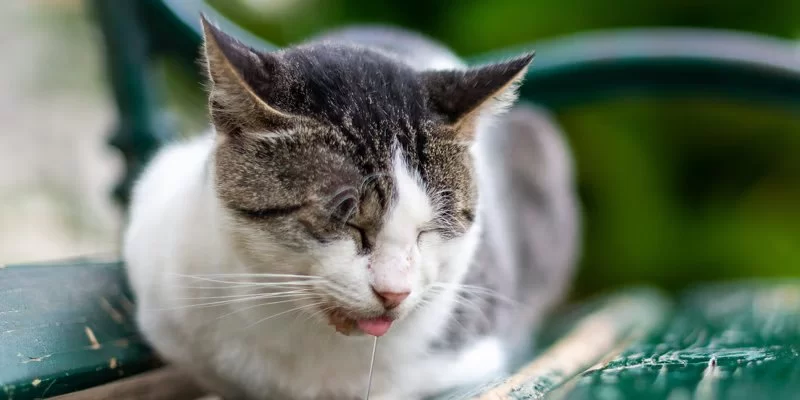
Seeing your cat drooling more than usual can be alarming, especially if it comes with no other obvious symptoms. Drooling, also called hypersalivation, in cats can stem from various reasons—some harmless, others requiring prompt veterinary attention. In cases where your cat seems completely fine otherwise—eating, playing, and grooming as usual—it's natural to wonder if it's a cause for concern or just a quirky moment.
While dog drooling is often normal, cats tend to be more discreet. Excessive drooling in cats, especially when no signs of pain, vomiting, or behavior change are visible, deserves a closer look. As experts at Hidden Brook Veterinary often point out, even subtle symptoms can be the tip of a deeper issue.

2. Natural or Benign Reasons Your Cat May Drool
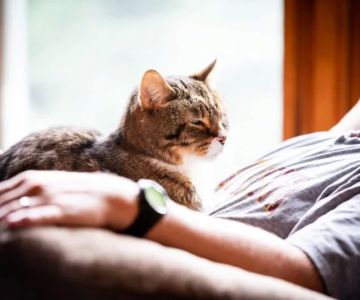
Let’s start with the less worrisome side. Some cats simply drool when they are extremely relaxed or content. You may notice your feline companion purring loudly on your lap, kneading with their paws, and—yes—drooling slightly. This is often seen in cats that suckled for a long time as kittens or were bottle-fed.
Another innocent cause is the scent or taste of certain plants or foods. Cats exposed to catnip, valerian, or strong-smelling human foods may salivate in response, much like a Pavlovian reaction. In these cases, the drooling is short-lived and not accompanied by any other symptoms.
A Maine Coon owner once shared that every time their cat encountered mint or basil, it would sniff deeply and start drooling, with no signs of distress. Cases like these often don't require intervention, but it’s wise to monitor for pattern changes.
3. Dental Health and Its Link to Drooling
One of the most common underlying reasons for unexplained cat excessive drooling is dental disease. Even if your cat appears pain-free, issues like gingivitis, tartar buildup, or tooth resorption can cause saliva overproduction. Cats are stoic animals, and dental pain doesn’t always result in visible signs.
For example, Hidden Brook Veterinary treated a 5-year-old Siamese who began drooling mildly without appetite loss or behavioral shifts. A dental exam revealed a fractured molar and inflamed gums—conditions that would have gone unnoticed without oral inspection. After dental cleaning and extraction, the drooling ceased.
If your cat’s drooling becomes more frequent, accompanied by bad breath or a reluctance to chew on one side, it's worth investigating their mouth health. Regular dental check-ups are essential, even when cats show no other signs.
4. Stress and Behavioral Causes of Cat Drooling
Believe it or not, stress and anxiety can also trigger drooling episodes in cats. Traveling in a carrier, visiting the vet, or even the arrival of a new pet can lead to temporary hypersalivation. This type of drooling is typically acute and resolves when the stressor is removed.
During car rides, for instance, cats may pant or drool due to motion sickness or heightened anxiety. A client once described how her cat started drooling heavily on the way to a grooming appointment but returned to normal shortly after coming home.
To ease stress-related drooling, comfort your cat, limit environmental changes, and use calming aids when needed. Products like pheromone diffusers or stress-relieving sprays may help manage this type of drooling effectively.
5. Hidden Medical Reasons Behind Silent Drooling
Although no other symptoms may be outwardly visible, medical conditions such as oral tumors, esophageal issues, or mild toxin exposure can still cause excessive drooling in cats. These are harder to identify without a vet’s diagnostic tools.
Take the example of a 7-year-old tabby brought into Hidden Brook Veterinary. The cat had been drooling for weeks with no change in behavior or diet. Upon deeper examination, a benign oral mass was found near the salivary glands, gently pressing on nerves. Surgical removal resolved the issue, but the early signs were almost unnoticeable to the owner.
Occasional exposure to toxic plants, cleaning agents, or certain essential oils can also cause salivation. Cats have a heightened sensitivity to chemical irritants. Even licking a recently cleaned surface can lead to drooling, even if no other symptoms arise.
6. When to Seek Veterinary Advice for Drooling Cats
So, when should you be concerned about cat excessive drooling with no other symptoms? The rule of thumb: If the drooling persists for more than 24–48 hours, even without additional signs, consult your vet. It’s always better to investigate and rule out hidden problems.
If you observe additional clues—such as changes in drinking habits, pawing at the mouth, slight weight loss, or hiding behavior—these can be indicators of early disease. Even without them, persistent drooling shouldn't be ignored.
Hidden Brook Veterinary recommends a comprehensive oral checkup and general wellness screening in such cases. Their experience shows that early detection, especially for dental or oral conditions, dramatically reduces long-term complications.
Your cat’s health depends on early action. Even if everything “looks fine,” professional advice ensures nothing is missed beneath the surface.