Understanding and Managing Cat Excessive Paw Licking During Walks
As cat owners, we are used to seeing our feline friends groom themselves, but when your cat starts licking their paws excessively during walks, it can raise some concerns. While some amount of paw licking is normal for cats, excessive licking during or after walks may indicate an underlying issue. In this article, we’ll explore why cats lick their paws during walks, potential causes for this behavior, and how you can help manage it.
1. What Is Excessive Paw Licking in Cats?
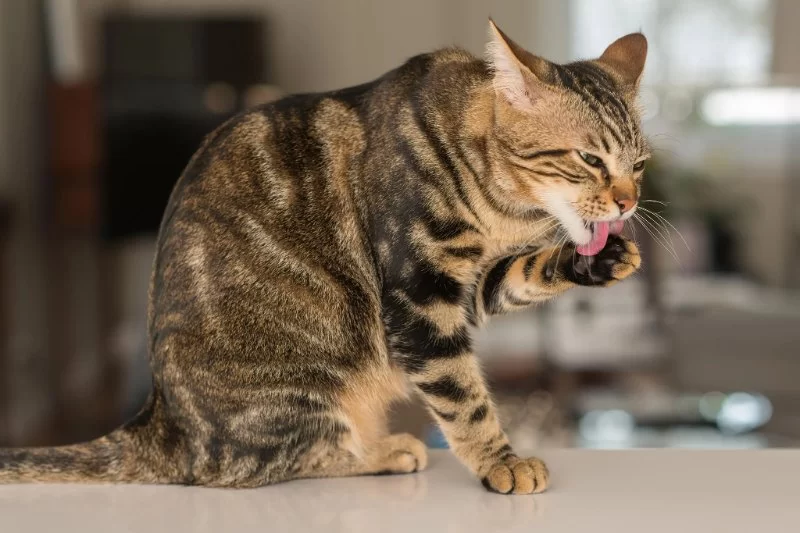
Paw licking is a normal part of a cat’s grooming routine, as they use their paws to clean themselves. However, excessive paw licking, especially when it occurs during walks or after outdoor activities, could be a sign of discomfort or stress. If your cat licks their paws obsessively or for extended periods, it's worth considering if there are other underlying health or behavioral issues at play.
2. Common Causes of Excessive Paw Licking During Walks
There are several reasons why your cat may start licking their paws excessively during walks. Some of these causes are more serious than others, so it's important to monitor your cat closely for any additional symptoms or behavioral changes.
2.1. Physical Irritation or Injury
One of the most common reasons for excessive paw licking in cats is physical discomfort. During walks, your cat may come across rough surfaces, hot pavement, or sharp objects that irritate or hurt their paws. If you notice your cat licking one paw more than the others, it could be due to a cut, splinter, or thorn lodged in their paw pads. Check your cat’s paws after the walk for any signs of injury or debris that may be causing discomfort.
2.2. Allergies
Allergies, whether environmental or food-related, can cause your cat to lick their paws excessively. During walks, your cat may come into contact with allergens like pollen, dust, or certain plants, which could lead to irritation. If your cat is also licking their paws at home or seems to have itchy skin, it might be worth investigating whether allergies are contributing to the behavior. Consult with your vet to rule out or confirm any allergic reactions and get appropriate treatment.
2.3. Dry or Cracked Paws
Another cause of excessive paw licking is dry or cracked paw pads, which are more common in hot or cold weather. During walks, your cat’s paws may become dry and sore from walking on rough terrain, leading them to lick their paws for relief. If you notice your cat licking their paws excessively after outdoor excursions, it could be a sign that their paws are dry or irritated. Applying a pet-safe paw balm can help soothe the paws and reduce licking.
2.4. Anxiety or Stress
Just like humans, cats can experience anxiety or stress, and licking is a common coping mechanism. If your cat is nervous or stressed during walks, such as encountering unfamiliar places or animals, they may lick their paws as a way to self-soothe. If the licking seems to be tied to specific situations or environments, consider whether anxiety might be a factor in your cat’s behavior. Creating a calm, familiar routine during walks may help reduce anxiety-related paw licking.
2.5. Skin Infections or Dermatitis
Excessive paw licking can also be a sign of skin infections, such as bacterial or fungal infections, or dermatitis. If your cat is licking their paws to the point of creating sores or irritation, it's important to take them to the vet for a proper diagnosis. Skin infections often require medical treatment such as antibiotics or antifungal medications to clear up the problem and prevent further licking.
3. How to Manage and Address Excessive Paw Licking
Once you've identified the cause of your cat’s excessive paw licking, there are several steps you can take to help manage and prevent the behavior.
3.1. Inspect Your Cat's Paws Regularly
Check your cat’s paws for any injuries, foreign objects, or signs of irritation after each walk. Regular paw inspections can help you identify issues before they become more serious. If you find anything that seems to be causing discomfort, gently clean the paw and remove any debris. If you notice redness, swelling, or cuts, apply a pet-safe ointment and contact your vet if necessary.
3.2. Avoid Harsh Surfaces
Try to avoid walking your cat on hot pavement, rough terrain, or other surfaces that could irritate their paws. If possible, opt for softer walking paths like grass or dirt trails. In addition, consider walking your cat during cooler times of the day to prevent their paws from getting overheated.
3.3. Use Protective Paw Balm
To prevent your cat’s paws from becoming dry or cracked, you can apply a protective paw balm before walks. These balms are designed to create a barrier against harsh weather conditions and rough surfaces. Make sure to use a product specifically made for pets, as some human lotions or creams can be harmful to cats.
3.4. Consult with Your Veterinarian
If the excessive paw licking persists despite your efforts to address potential irritants or injuries, it’s important to consult with your vet. They can conduct a thorough examination and determine whether an underlying medical condition, such as allergies, infection, or anxiety, is causing the behavior. Your vet can then recommend the best course of action for treatment and prevention.
4. Conclusion
Excessive paw licking during walks can be a sign of various issues, ranging from physical irritation to allergies or anxiety. By closely monitoring your cat’s behavior, inspecting their paws, and consulting with a veterinarian, you can help manage and reduce excessive paw licking. Ensuring that your cat is comfortable and pain-free during walks will help make their outdoor adventures more enjoyable for both you and your feline friend.
For professional advice and tailored solutions to your cat’s paw-related concerns, visit Hidden Brook Veterinary for expert guidance and care.