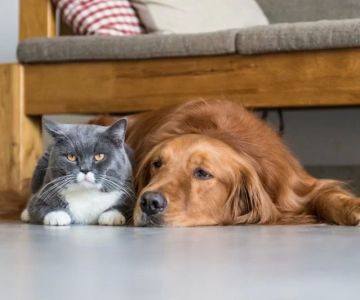
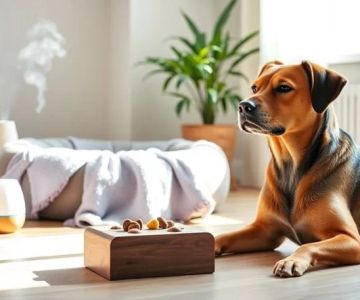
Why Pet Anxiety Often Shows Up at Home
Home is supposed to be a safe space for pets, yet many dogs and cats experience anxiety even in familiar surroundings. Common triggers include changes in routine, separation from owners, loud neighborhood noises, household guests, or lingering effects from past stress. Understanding the top products for reducing pet anxiety at home starts with recognizing that anxiety is not a behavior problem but an emotional response.
Pets rely heavily on consistency and environmental cues. When something disrupts that balance, anxiety can surface through pacing, vocalizing, hiding, destructive behavior, or changes in appetite.

1. Chronic versus situational anxiety
Some pets experience ongoing anxiety that affects daily life, while others struggle only during specific events like storms or when left alone. The right calming product often depends on which type of anxiety is present.

10645 N Tatum Blvd ste 200 454, Phoenix, AZ 85028, USA
See Details2. Why home-based solutions matter
Because most anxiety triggers occur at home, calming products designed for everyday environments can make a significant difference in emotional wellbeing.
How Calming Products Help Reduce Anxiety at Home
Calming products work by supporting the nervous system, creating predictable sensory input, or mimicking signals of safety. They are most effective when combined with stable routines and patient handling.
1. Supporting emotional regulation
Many calming tools help pets shift from a heightened alert state into a more relaxed baseline, making it easier for them to rest, eat, and interact normally.
2. Enhancing behavioral training
Lower anxiety levels allow pets to respond better to positive reinforcement and behavior modification strategies.
Top Products for Reducing Pet Anxiety at Home
While no single product works for every pet, certain categories consistently help reduce stress when used correctly.
1. Pheromone-based calming diffusers and sprays
These products release synthetic versions of natural calming signals. Diffusers work continuously in a room, while sprays are useful for bedding or carriers. Many pets respond positively to the familiar sense of safety they provide.
2. Calming supplements and nutraceuticals
Supplements formulated for pets often include ingredients that support relaxation without sedation. These are commonly used for daily anxiety or predictable stressors such as separation.
2.1 Gradual introduction is key
Supplements usually work best when introduced gradually and used consistently rather than as a last-minute solution.
3. Pressure-based calming garments
Anxiety wraps apply gentle, even pressure to the body, which can help reduce nervous system overactivity in some dogs. These products are often used during storms or periods of restlessness.
4. Comfort-focused bedding and safe spaces
Orthopedic beds, covered pet beds, and designated quiet areas help anxious pets feel protected. Comfort products may not directly alter brain chemistry, but they significantly impact emotional security.
Best Options for Dogs Experiencing Anxiety at Home
Dogs commonly show anxiety through movement and vocalization. Home-based calming products for dogs should focus on reducing overstimulation while encouraging relaxation.
1. Products for separation-related stress
Diffusers, calming chews, and consistent background noise can help dogs settle when owners leave the house.
2. Products for noise sensitivity
Pressure wraps and sound-masking strategies are often helpful for dogs that react strongly to environmental noise.
Best Options for Cats Experiencing Anxiety at Home
Cats tend to internalize anxiety, making subtle solutions especially important.
1. Environmental calming tools
Continuous calming diffusers placed in main living areas help create a stable emotional atmosphere for cats.
2. Stress-reducing enrichment
Interactive toys, predictable feeding schedules, and consistent litter box placement work alongside calming products to reduce stress-related behaviors.
Real-Life Example: Reducing Anxiety in a Multi-Pet Household
In one household with two dogs and a cat, tension increased after a move. The pets showed signs of anxiety such as pacing and hiding. By introducing calming diffusers, establishing quiet resting zones, and maintaining consistent routines, the household gradually returned to a calmer state. The pets became more relaxed within weeks.
This example highlights how combining multiple calming products can address anxiety from different angles.
How to Choose the Right Calming Products for Your Pet
Choosing from the top products for reducing pet anxiety at home requires careful consideration of individual needs.
1. Match the product to the trigger
Separation anxiety, noise sensitivity, and environmental stress often respond differently to various calming tools.
2. Consider age and health status
Senior pets or those with medical conditions may require specific product types or dosages.
2.1 Monitoring effectiveness
Observing behavior changes over time helps determine whether a product is beneficial or needs adjustment.
When Professional Guidance Improves Results
Calming products are most effective when used as part of a thoughtful anxiety management plan.
1. Integrating products with behavioral support
Reducing anxiety allows pets to learn coping skills more effectively.
2. Veterinary expertise
Hidden Brook Veterinary helps pet owners evaluate anxiety triggers, select appropriate calming products, and develop long-term plans that support both emotional and physical health.
Long-Term Benefits of Managing Anxiety at Home
Using the right products consistently improves quality of life for anxious pets. Over time, pets often sleep better, interact more positively, and handle change with greater resilience.
1. Building emotional confidence
Reduced anxiety allows pets to feel secure in their environment, strengthening trust and comfort.
2. A calmer home for everyone
When pets feel relaxed, households experience less stress, creating a more harmonious living environment for both animals and people.